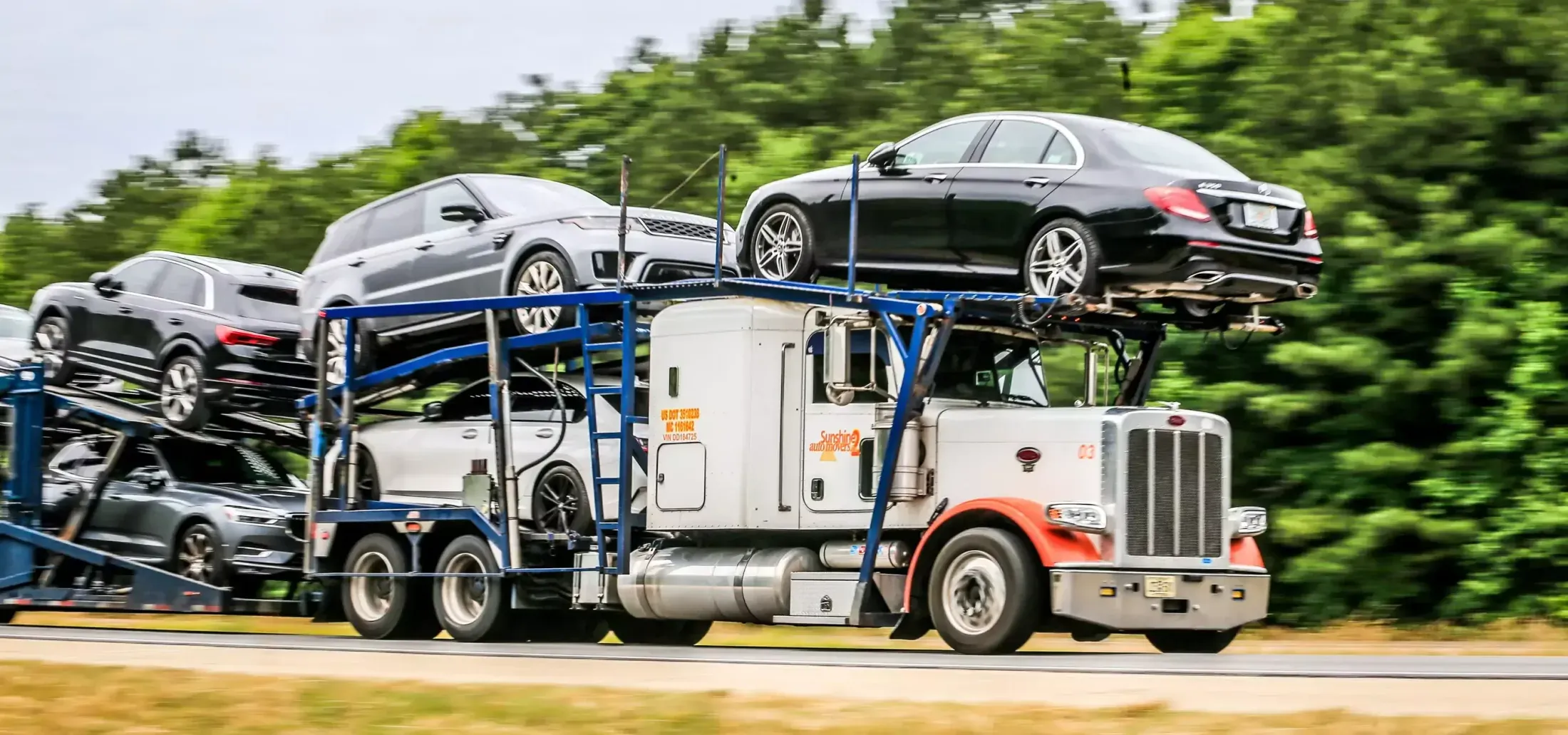
Ship a car from California to Texas and vice versa

Ship a car from
California to Texas and vice versa

Get a free instant quote in seconds or call now (708) 300-0063

4.8

148+ reviews

4.9 / A+

29+ reviews

4.7

84+ reviews

4.6

23+ reviews

Price match
Price match
More information
Full insurance coverage
Zero upfront payment
More information
Upfront payment
Insurance coverage
More information
24/7 customer support
More information

Customer experiences, in their own words:

Rated 4.8 by hundreds of satisfied shippers

Home

California Car Shipping

Ship a Car from California to Texas

California to Texas and Texas to California car shipping services

There’s constant movement between California and Texas. Some people are relocating for work, others are heading to college, and plenty are making long-term lifestyle changes. Whatever the reason, this is a route that WeShipCars handles every week. If you need to ship a car from California to Texas or arrange transport going the other way, you’re not dealing with an unfamiliar lane. It’s one our carriers know well.

The mileage usually lands somewhere between 1200 and 1700 miles, but that depends entirely on where you’re starting and where the vehicle is headed. Small shifts in location can slightly affect both timing and pricing. Once the carrier has loaded your vehicle, transit generally takes between 3 and 6 days. Occasionally, it moves faster, but weather or traffic can also slow things down. Overall, this corridor tends to stay consistent compared to less-traveled routes.

When customers ask how much to ship a car from Texas to California, they’re often hoping for a flat number. In reality, pricing depends on several factors working together. Distance is where it all starts, but the size of your vehicle, whether it’s running or not, the type of transport method selected, and current market demand all influence the total. The cost to ship a car from Texas to California can look slightly different depending on the time of year and how many vehicles are moving westbound at that moment. That’s why personalized quotes are more accurate than rough averages.

Once you decide to move forward with your booking, things tend to quickly fall into place. You share the basics about the vehicle and your timing, take a look at the quote, and confirm whether you’re comfortable with the cost of shipping a car from Texas to California or vice versa. After that, we line up a licensed, insured carrier from our vetted network. Pick-up is arranged somewhere accessible, delivery is coordinated near your final address, and you’re updated along the way.

Most shipments between California and Texas travel along established interstate highways that connect major cities in both states, including the I-40 and the I-10. The exact route depends on where the car is coming from and where it’s headed, but drivers stick to well-traveled freight routes built for long-distance hauling. That consistency is one of the reasons this lane tends to move reliably in either direction.

Average Distance, Time and Cost from California to Texas

Avg Distance

1,750 mi

Avg Transit Time

4-7 days

Avg Cost

$1,000-$1,500

* Please keep in mind that the prices are for an open car transport carrier and a small-size vehicle, and that both transit times and shipping prices shown are approximate estimates. Actual costs and delivery times may vary based on factors such as seasonal demand, fuel prices, pick-up and delivery locations, transport type, weather conditions, road conditions, carrier availability, etc.

Popular routes from California to Texas and from Texas to California

* Please keep in mind that the prices are for an open car transport carrier and a small-size vehicle, and that both transit times and shipping prices shown are approximate estimates. Actual costs and delivery times may vary based on factors such as seasonal demand, fuel prices, pick-up and delivery locations, transport type, weather conditions, road conditions, carrier availability, etc.

  1. Los Angeles

    to Houston

    DISTANCE

    1,550 mi

    TIME EST.

    4-6 days

    PRICE EST.

    $1,239

    Get a Quote  (opens in new tab)
  2. San Diego

    to Houston

    DISTANCE

    1,470 mi

    TIME EST.

    3-5 days

    PRICE EST.

    $1,239
    Get a Quote  (opens in new tab)
  3. Los Angeles

    to Dallas

    DISTANCE

    1,440 mi

    TIME EST.

    3-5 days

    PRICE EST.

    $1,239

    Get a Quote  (opens in new tab)
  4. Los Angeles

    to San Antonio

    DISTANCE

    1,360 mi

    TIME EST.

    3-5 days

    PRICE EST.

    $1,239

    Get a Quote  (opens in new tab)
  5. San Diego

    to San Antonio

    DISTANCE

    1,280 mi

    TIME EST.

    3-5 days

    PRICE EST.

    $1,239

    Get a Quote  (opens in new tab)
How to find and choose the best and most reliable auto transport companies from CA to TX and TX to CA

How to find and choose the best and most reliable auto transport companies from CA to TX and TX to CA?

If you’re getting ready to ship a car from California to Texas, or planning the return trip later, don’t rush into the first quote you see. Start by figuring out who actually operates on this route. A quick search online, a look through recent customer reviews, or even asking around in relocation groups or social media platforms can help you spot auto transport companies for California to Texas and vice versa that regularly handle long-distance moves between these two states. The goal isn’t to book. It’s to narrow down the field.

Once you have a few options, check credentials before you look at pricing. Any company offering interstate transport should be licensed, insured, and registered with the Federal Motor Carrier Safety Administration. They should also be willing to explain how they select and vet the carriers who will physically move your vehicle. If answers feel vague or defensive, that’s usually enough reason to keep looking.

After that, read reviews with a bit of context. Instead of only looking at star ratings, check what people are saying about communication, scheduling, and how delays were handled. Patterns tell you more than isolated complaints. Consistent feedback about missed updates or shifting timelines is worth paying attention to.

Only when you feel comfortable with a company’s reliability should you compare numbers. Whether you’re pricing a move westbound or eastbound, look at what’s included in the quote and how clearly the process is explained. A slightly higher price from a responsive, transparent company often ends up being the smoother experience.
car shipping auto transport services

Ready to ship?
Your journey starts here:

Why choose WeShipCars when moving a car from Texas to California or California to Texas?

When you ship a car from California to Texas or send one back the other way, you’re handing over something valuable. That responsibility isn’t taken lightly. Below are the standards we stick to on every shipment, so you know what you’re signing up for before you book.

Dollar icon
Zero upfront payment
Calendar icon
Free cancellation
Shield icon
Full insurance coverage
Smiley icon
Vetted auto transport carriers
Badge icon
Customizable services
Profile icon
24/7 customer support

Hear directly from our customers

Watch and learn why shippers across the U.S. trust us for their car shipping.
Auto transport services from California to Texas or vice versa

Door-to-door auto transport from California to Texas

Door-to-door auto transport

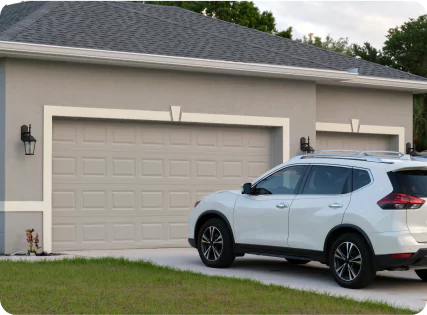
Door-to-door shipping is one of the most convenient ways to move a vehicle between California and Texas. The carrier picks up your car from a specified address and delivers it directly to your chosen destination. That could be your home, office, dealership, seller’s location, or even a repair shop.

In most cases, the truck arrives right at the address provided. Only if local restrictions, tight streets, or safety limitations prevent access will the driver arrange a nearby meeting point. When that happens, it’s simply to ensure the vehicle can be loaded and unloaded safely and legally.

Open car transport

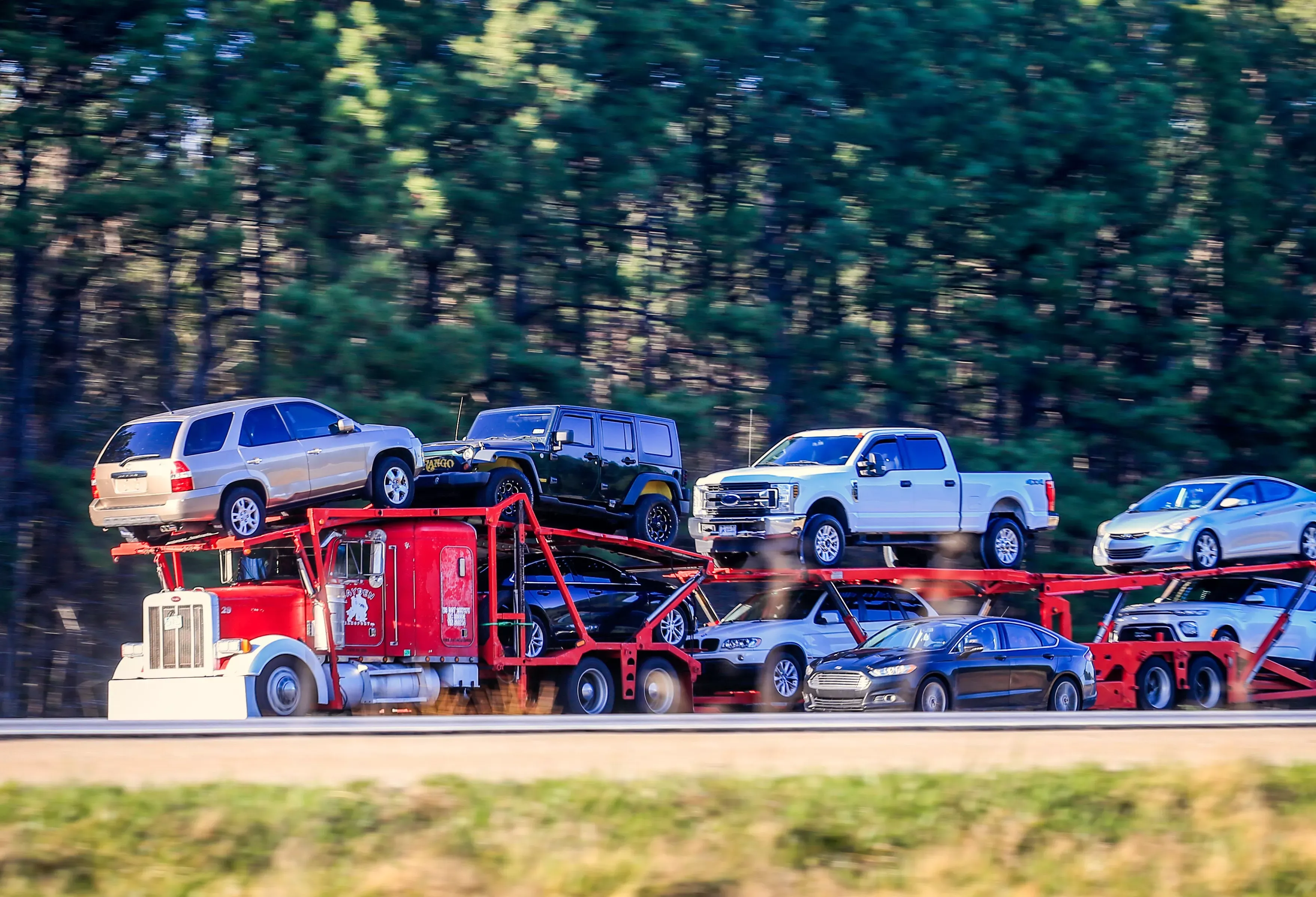
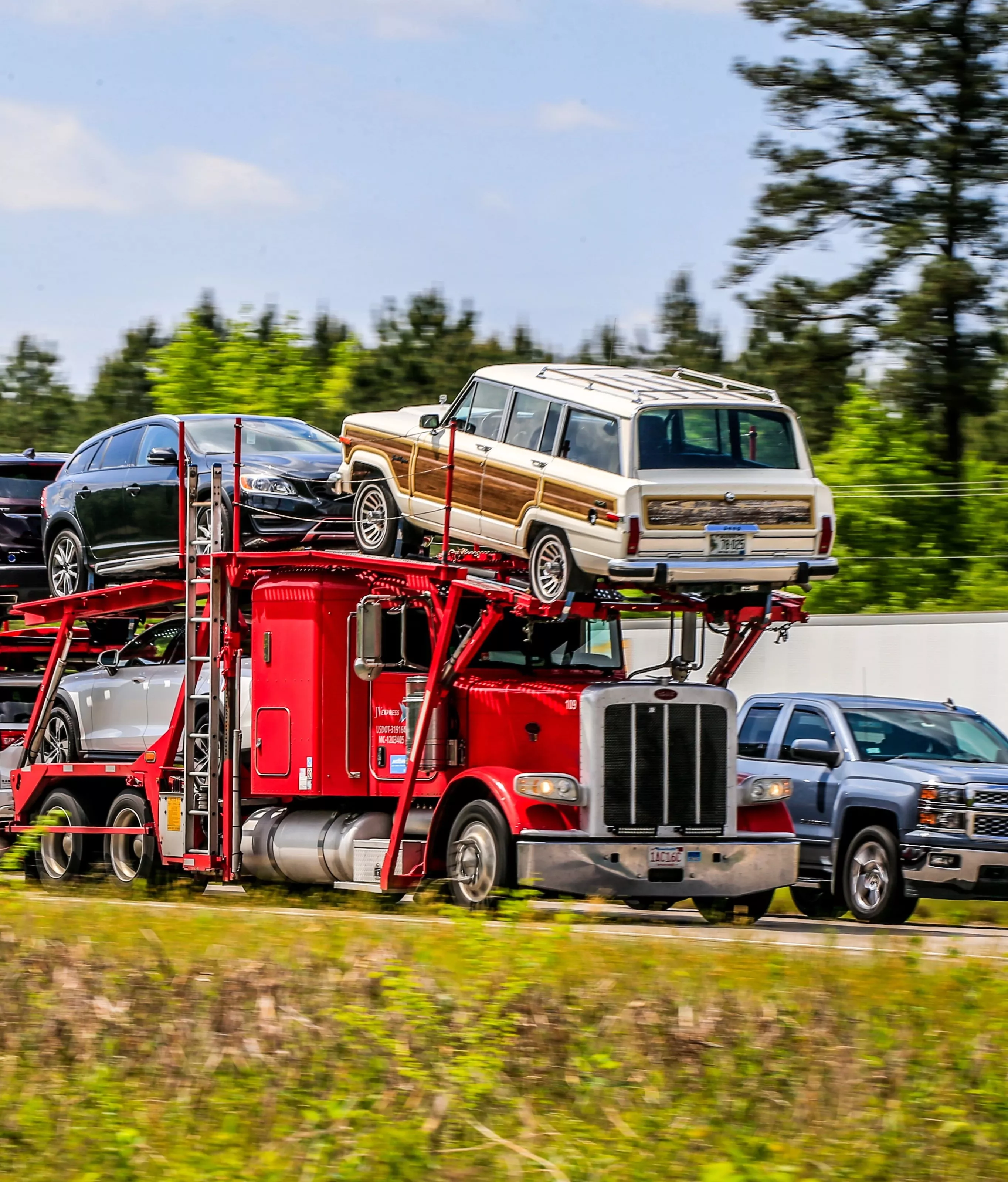
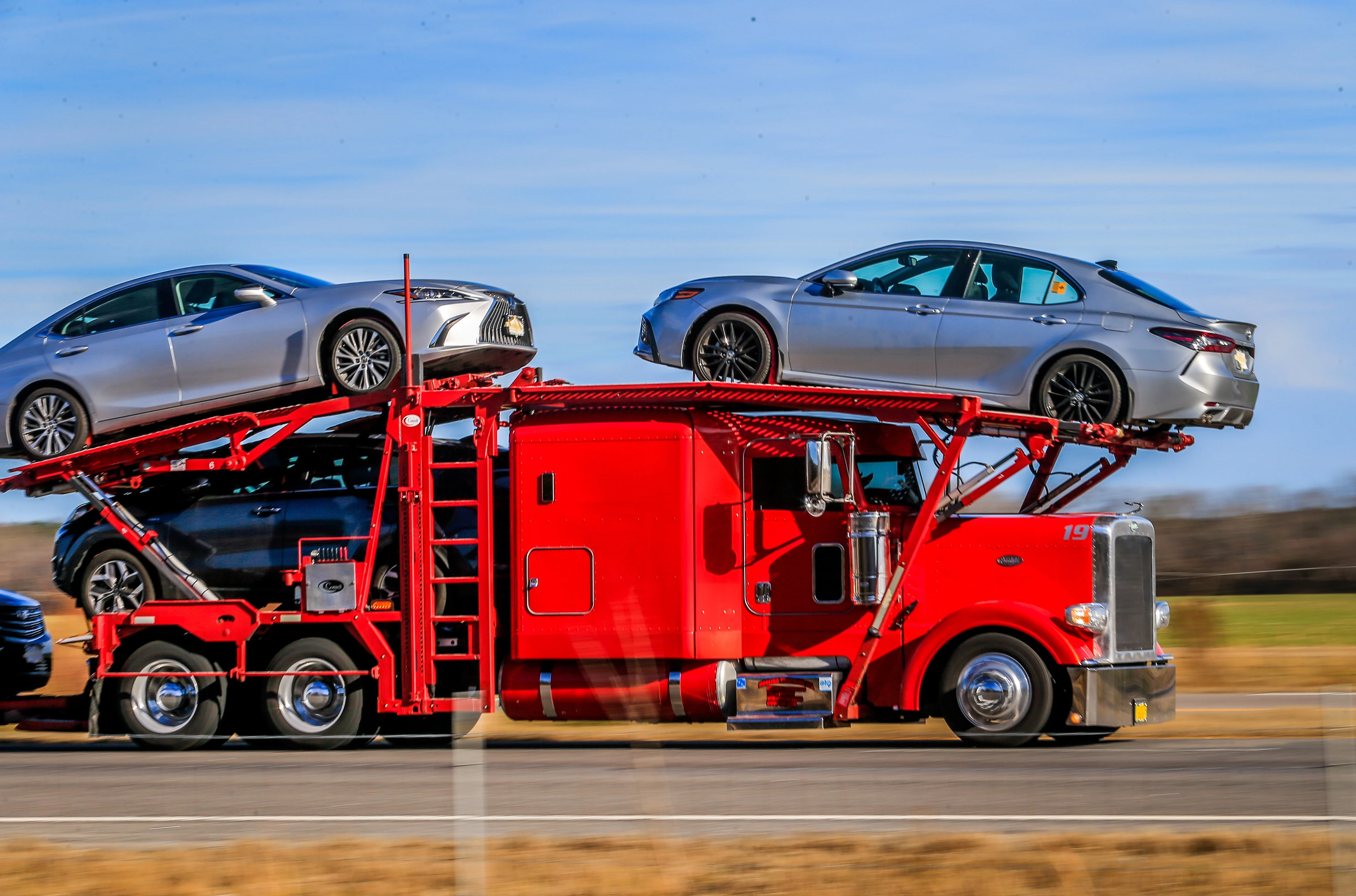
For most vehicles, open car transport is the standard approach. Your car is loaded onto a multi-vehicle trailer designed specifically for hauling automobiles across long distances. It travels securely fastened alongside other vehicles heading in the same direction. This method is widely used, generally more cost-conscious, and well-suited to everyday cars making the trip between states.
open car transport from California to Texas
enclosed auto transport from California to Texas

Enclosed auto transport

If added protection is important to you, enclosed auto transport offers a different setup. Vehicles are moved inside covered trailers, limiting exposure to the weather and road debris throughout the journey. It’s the method of choice for higher-value vehicles or cars when preserving condition is critical.

Expedited auto transport

Expedited auto transport is for when timing matters. We schedule your vehicle for pick-up within a shorter window of 1 to 2 days. When loading, the carrier gives the shipment priority, thereby reducing waiting time at the beginning and moving things along more quickly.
expedited auto transport from California to Texas
guaranteed pick-up services from California to Texas

Guaranteed pick-up services

Guaranteed pick-up allows you to select the day you want your vehicle collected in advance. You choose the preferred day when booking, and we make the necessary arrangements. Our commitment to you is to pick-up your vehicle within an agreed 24-hour window, removing some of the uncertainty that can come with standard scheduling.
car shipping auto transport services

Ready to ship?
Your journey starts here:

How does it work to ship a car from California to Texas or vice versa?

Organizing your car shipping from California to Texas or from Texas to California is nowhere near as complicated as you think. You can complete the process in just three simple steps, and with WeShipCars, there’s a set order that allows you to know what’s coming next.

Get the ball rolling by requesting a quote, then confirm your booking, and wait for your pick-up and then delivery. It’s a car transport service from California to Texas that’s completely stress-free, reliable, and budget-friendly. With WeShipCars, you get to ship your car from California to Texas or vice versa and enjoy complete peace of mind:

STEP 1

Get a quote and book your order pick-up:

We provide a convenient, easy-to-use online car shipping cost quote calculator right here on our website. We ask for a few basic details about your shipment, and you receive your quote almost instantly. Alternatively, if you prefer, you can speak directly with one of our car shipping experts via live chat or by calling (708) 300-0063. If you like the price you’re given, you simply check your details, and you confirm your booking.

To receive your instant quote, provide the following:

•The zip code or city name for the pick-up and delivery
•The year, make, and model of the vehicle you want to ship from Texas to California or vice versa
•The number of cars you want to ship
•Whether the car is running or not
•Do you want open car transport or enclosed auto transport

We also ask for your email address so we can forward you a copy of your quote. In case we need to confirm any details, we also need your contact number.

If you prefer to communicate with someone directly, rather than completing an online form, we have knowledgeable shipping advisors waiting on the phone or available via live chat. Our contact phone number is (708) 300-0063 when you’re ready to confirm your booking or ask any questions.

Upon confirming your booking, our shipping experts jump into action. There’s nothing left for you to do, apart from getting your vehicle ready for shipping, as we’re now in charge of the entire logistics process.
Get a quote and book your order pick-up
We pick up your vehicle

STEP 2

We pick up your vehicle:

Once you confirm your booking, we assign a carrier from our network of fully vetted and insured providers. They collect your vehicle from a location of your choice.

After scheduling your car for collection, we give you a call to confirm the details. The allocated driver also calls on the scheduled pick-up day a few hours in advance of their arrival. They just want to make sure you and the car are ready for collection. If you’re unavailable, you can arrange for a trusted third-party to act on your behalf. You could ask a neighbor, friend, colleague, or relative, as long as they’re 18 years or older.

The driver is also contacting you to check that the pick-up location has no restrictions or limited access. Remember that they’re going to be driving a large auto transport vehicle and need sufficient space to maneuver. Not all locations are suitable for a truck and trailer that might be 80 feet long and weigh 80,000 pounds.

If the pick-up location is not suitable or access is further complicated by low-hanging trees, power lines, or municipal restrictions, the driver will suggest an alternative spot. There may be shopping mall parking spaces, wider streets, or business premises nearby that have fewer restrictions.

When the carrier arrives, there’s something you do together before the driver loads your vehicle. Take a walk around your vehicle together, making note of any existing damage such as scratches, dings, dents, or chips. Record this on the Bill of Lading and keep a copy for your records. You’ll need this copy for comparison after your car has been moved from California to Texas or vice versa.

There’s no single highway connecting California and Texas. Drivers typically rely on major interstate corridors such as the I-10, I-20, or I-40, depending on where the vehicle starts and ends its journey.

• I-10: The primary southern corridor connecting Southern California directly to Houston and San Antonio. Long desert stretches and steady freight traffic make it one of the most common routes.
• I-20: Frequently used for Dallas and Fort Worth deliveries. It branches east through West Texas and serves as a direct connector into north-central Texas.
• I-40: More typical for Northern California pick-ups. It runs across Arizona and New Mexico before entering Texas from the northwest.
• I-35: A major north-south spine inside Texas, often used once the vehicle reaches the state to connect San Antoni, Austin, and Dallas.

Transit time usually lands somewhere between three and six days once the vehicle is on the trailer. Some shipments move slightly faster. Some take a little longer. It depends on timing and geography more than anything else.

STEP 3

We deliver your vehicle:

When the trucker gets near your preferred delivery point, they’ll get in touch. You can also keep yourself informed of your vehicle’s location with on-demand updates. When your car arrives, check its condition and sign the Bill of Lading to accept delivery.

When the carrier is getting close to your final destination, they’ll reach out to confirm access won’t be an issue, and they'll be available to complete your California to Texas vehicle shipping service. If you’re otherwise engaged, nominate another adult to receive your car for you. The only thing we ask is that they’re at least 18.

Final delivery takes a short time to complete and includes a quick walk around the car so you and the driver can confirm its condition matches that on the Bill of Lading. If anything stands out as being different, make a clear note on the paperwork before signing it to accept delivery.

One last part of the process to finalize is payment. If you paid upfront, there’s nothing left to do. For those of you who chose to pay on delivery, you settle the remaining balance using cash, a cashier’s check, Zelle, or CashApp.
We deliver your vehicle
How long does it take to ship a car from Texas to California or California to Texas?

How long does it take to ship a car from Texas to California or California to Texas?

Most vehicles travelling between California and Texas arrive within 3 to 6 once they’re on the trailer. That range isn’t pulled from thin air. It reflects the actual drive across the Southwest, plus the time it takes to load and sequence multiple vehicles along the same corridor. Expedited service can speed up the front end of the process, but the road itself still takes as long as the road takes.

There isn’t one single factor that decides timing. It’s usually a mix of things working together:

Pick-up and drop-off locations: Where the vehicle starts and ends matters. Large metro areas like Los Angeles, Houston, or Dallas tend to move faster because carriers are already transporting through those cities. Smaller towns are no problem, but they may require a short deviation from the main freight lanes. That doesn't derail the shipment. It just alters the timeline slightly.

Distance traveled: A shipment from Northern California to central Texas covers more ground than one leaving Southern California for Houston. Exact zip codes make the difference. Once the vehicle is loaded, every extra mile translates into more drive time.

Seasonal demand: Some months are busier than others, especially late spring and summer when relocations increase. During heavier traffic periods, carriers may have tighter schedules. Quieter months don't always mean instant pick either. Availability shifts based on how many vehicles are moving in the same direction at that time.

Weather conditions: The route crosses dry desert stretches, open highways, and areas prone to sudden storms. Heavy rain, strong winds, or extreme heat can slow progress when safety calls for it. Drivers adjust, which is perfectly normal.

Road conditions and traffic: Major interstates like I-10, I-20, and I-40 handle constant commercial traffic. Construction projects and city congestion can cause minor slowdowns. For that reason, delivery times are estimated within reasonable windows instead of exact hours.

Driver regulations: Federal hours-of-service rules limit how long drivers can operate each day. Rest breaks are mandatory, not optional. Those rules are built into every long-haul schedule, and they set a natural pace for cross-state transport.

Vehicle size and condition: Standard vehicles are typically easier to place on a multi-car trailer. Larger trucks, modified vehicles, or non-running cars sometimes require additional planning or equipment. That doesn't stop the shipment, but it can affect how quickly a carrier is secured.

Transport method: Open trailers are more common on this lane, which generally makes scheduling simpler. Enclosed carriers run less frequently, so availability can take a bit longer if that option is selected.

Service level selected: Flexible scheduling allows the carrier to build your vehicle into an existing route. Expedited service reduces the wait before loading. Guaranteed pick-up fixes a specific date. The drive time takes roughly the same. It's just the lead time that changes.
Shipping FROMShipping TODistance EstimateTime EstimatePrice Estimate
Los Angeles, CABoston, MA3000 mi6 to 8 days$1499
Los Angeles, CAOrlando, FL2200 mi5 to 7 days$1239
Los Angeles, CAChicago, IL2000 mi4 to 6 days$1189
Los Angeles, CANew York City, NY2800 mi6 to 8 days$1449
Los Angeles, CAHouston, TX1550 mi4 to 6 days$1169

* Please keep in mind that the prices are for an open car transport carrier and a small-size vehicle, and that both transit times and shipping prices shown are approximate estimates. Actual costs and delivery times may vary based on factors such as seasonal demand, fuel prices, pick-up and delivery locations, transport type, weather conditions, road conditions, carrier availability, etc.

How much to transport a car from CA to TX and vice versa?

If you’re planning to ship a car from California to Texas, most standard vehicles moved on open carriers tend to fall somewhere between $700 and $1400. That range covers the majority of everyday sedans and SUVs. It isn’t fixed, though. Timing, vehicle size, and how easily your shipment fits into an existing route all influence the final number. The return direction usually lands in a similar bracket, although short-term market shifts can tip pricing slightly one way or the other:
How much to transport a car from CA to TX and vice versa?

Market demand: Sometimes pricing simply reflects how busy the lane is. When more vehicles are moving between these states, available trailer space tightens. During those busier stretches, rates may edge up because carriers have more loads to choose from. When activity slows down, there's often more flexibility built into quotes.

Truck availability: It's not just about how many people want to move a vehicle. It's also about where the trucks are positioned. If fewer carriers are running through the corridor at a given time, pricing adjusts accordingly. Drivers naturally select shipments that align well with their planned routes.

Distances and route length: California to Texas vehicle shipping typically covers between 1200 and 1700 miles, depending on the exact cities involved. A move from Northern California to central Texas covers more ground than one starting in Southern California and heading toward Houston. That mileage translates into driving hours, fuel usage, and scheduling considerations.

Vehicle size and weight: A compact car is easier to load and place on a multi-vehicle trailer than an oversized truck. Larger SUVs and pickups take up more space and add weight, which can influence how much to transport a car from Texas to California when trailer capacity is limited.

Vehicle value and condition: Higher-value vehicles often travel in enclosed trailers rather than on open decks, which raises the overall rate. An inoperable vehicle will need to be loaded using a winch. It will also take longer, both of which factor into pricing.

Pick-up and delivery locations: Major cities such as Los Angeles, Dallas, Houston, and San Diego are regular stops for carriers running this route. When a shipment starts or ends in a more remote location, drivers may need to leave the main freight highways briefly. Extra mileage and time off the primary corridor can increase the cost to ship a car from California to Texas slightly.

Seasonality: Late spring and summer are popular times for people to relocate, particularly families and students moving between states. Extra demand at these times can increase shipping a car from California to Texas prices. Winter doesn't automatically mean cheaper shipping, but demand patterns change, and that can influence availability. It's less about the calendar itself and more about how many vehicles are moving in the same direction at the same time.

Fuel prices: Shipping a car from California to Texas or vice versa takes a number of days. Diesel costs are built into every long-distance quote, but even moderate changes in fuel pricing can affect the overall cost of auto transport from California to Texas.

Service level and timing: Prices tend to be steadier if you're able to be flexible when booking. Expedited shipments shorten the wait before loading, but they cost more. Similarly, guaranteed pick-up locks in a specific date but can also raise the rate if timing is tight.

Transport type: The most common and cost-effective choice for car transport from California to Texas is open car transport. Enclosed auto transport offers added protection from the weather and road debris, but it takes longer to arrange and comes at a higher price.

Discounts and savings: Always remember to ask about discounts when booking your Texas to California vehicle shipping. You may qualify for reduced rates if you're a serving or retired military member, snowbird, student, multi-vehicle shipper, or returning customer.

Military car shipping discount
Snowbird car shipping discount
Student car shipping discount
Sunday car shipping discount
Loyalty car shipping discount
Multi-vehicle shipping discount
Shipping FROMShipping TODistance EstimateTime EstimatePrice Estimate
Los Angeles, CAHouston, TX1540 mi4 to 6 days$1169
Orlando, FLHouston, TX960 mi2 to 3 days$919
Chicago, ILHouston, TX1080 mi3 to 5 days$839
New York City, NYHouston, TX1620 mi4 to 6 days$1119
Boston, MAHouston, TX1840 mi4 to 6 days$1139

* Please keep in mind that the prices are for an open car transport carrier and a small-size vehicle, and that both transit times and shipping prices shown are approximate estimates. Actual costs and delivery times may vary based on factors such as seasonal demand, fuel prices, pick-up and delivery locations, transport type, weather conditions, road conditions, carrier availability, etc.
car shipping auto transport services

Ready to ship?
Your journey starts here:

Useful information about shipping a car from CA to TX and TX to CA

Dealer and auction releases: If your vehicle is sitting at a dealership, auction yard, storage facility, or private seller’s address, make sure they’re cleared to release it before the carrier arrives. Many dealerships require written authorization or confirmation that payment has cleared before they hand over the keys. Auction facilities often operate within fixed business hours and may charge storage if a vehicle isn’t collected promptly. Sorting this out ahead of time prevents avoidable delays.

Access challenges in large metro areas: Pick-ups and deliveries in cities like Los Angeles, San Diego, Houston, or Dallas can be straightforward but not always curbside simple. Full-size auto transport trucks can’t always enter apartment complexes, gated neighborhoods, or streets with low trees and tight turns. In these cases, meeting the driver at a nearby shopping center, business park, or wide roadway is often the easiest solution. It’s a normal adjustment, not a problem.

Residential restrictions and HOA rules: Some neighbourhoods have their own rules about where large trucks can park, especially in gated communities or newer developments. In a few cases, the issue isn’t access. It’s simply that a transport truck isn’t allowed to stop there. When that happens, the solution is usually straightforward. The driver will suggest a nearby open area where loading or unloading can be done safely without breaking local rules. It’s not uncommon, and it’s usually sorted out quickly once everyone knows the layout of the area.

Timing expectations for multi-state routes: Even though this isn’t a coast-to-coast shipment, vehicles still move across multiple states on the way between California and Texas. Carriers often transport several vehicles along the same corridor and there are lots of things that can impact their schedule. Flexible delivery times allow the driver to manage traffic, loading order, and road conditions without disrupting the overall schedule.

Coordinating arrival with your move: If you’re relocating yourself, it’s usually wise to be as flexible as possible. A small buffer, even just a day, reduces pressure if your flight changes or the carrier experiences minor delays. Most customers find the process feels smoother when their travel plans and vehicle arrival aren’t locked together too tightly.
Useful information about shipping a car from CA to TX and TX to CA
What is door-to-door Texas to California auto transport, or vice versa?

What is door-to-door Texas to California auto transport, or vice versa?

Door-to-door car shipping simply means the carrier picks up and delivers your vehicle directly from/to your door. This could be your home, office, or another preferred address. In certain circumstances, it may have to be as close to your address as possible.

For example, it might not be possible for the trucks to park directly outside your front door. Transport trucks are large, and some residential streets or gated communities aren’t accessible. If that happens, the driver will usually arrange a nearby meeting point that works for both sides. The important part is that you’re not juggling extra transport or coordinating handoffs. Once it’s loaded, the rest is handled for you.

Factors affecting the cost and time to ship a car from CA to TX and vice versa

How the route actually runs : California to Texas vehicle shipping doesn’t stretch coast to coast, but it still covers a significant distance. Depending on the cities involved, carriers are working with 1200 to 1700 miles of highway. That means planning around major freight corridors such as I-10, I-20, and I-40. The more efficiently your shipment fits into one of those lanes, the smoother the pricing and scheduling tend to be.

Why distance still matters: Not every move between these two states is equal. A vehicle leaving Northern California for central Texas travels farther than one heading from Southern California to Houston. Those extra miles translate into added driving time, fuel use, and driver hours. That’s one reason how much to transport a car from CA to TX can vary based purely on zip codes.

Fuel and operating costs: Long hauls mean fuel is always part of the equation. Even moderate changes in diesel prices can influence auto transport from California to Texas because carriers are covering multiple states in one run. It’s not the only factor, but it’s one that moves quickly when fuel prices shift.

Time of year and overall demand : Late spring and summer often bring heavier relocation traffic. Families move, students relocate, and job transfers increase. When that happens, available trailer space fills faster, and timelines tighten. Quieter periods don’t always mean instant pick-up, but there’s generally more flexibility when fewer vehicles are moving along the same corridor.

Open vs. enclosed transport: Most vehicles travelling between California and Texas are moved on open carriers. They’re more common and easier to schedule because more of them operate along this lane. Enclosed trailers are available, but fewer run regularly between these states, which can influence both price and timing.

Vehicle size and configuration : Standard sedans and crossovers are straightforward to load. Larger pickup trucks, lifted SUVs, or modified vehicles require more space and sometimes different positioning on the trailer. That doesn’t prevent shipment, but it can affect how the move is scheduled and what it ultimately costs to ship a car from Texas to California and vice versa.

Flexibility in scheduling: If your dates are flexible, carriers have more room to work your vehicle into an existing run. Fixed pick-up dates or expedited requests narrow that window and can increase pricing. The drive time itself doesn’t change much. It’s the scheduling around it that does.
Factors affecting cost and time to ship a car from California to Texas and vice versa
How to save on moving a car from California to Texas and Texas to California?

How to save on moving a car from California to Texas and Texas to California?

Be flexible with your dates: One of the easiest ways to keep pricing reasonable is to avoid locking yourself into a tight pick-up window. When carriers have a little breathing room, they can fit your vehicle into an existing run instead of rearranging their schedule around it. Even a few extra days of flexibility can make a noticeable difference when you ship a car from California to Texas.

Choose open transport when it makes sense: For most everyday vehicles, open transport does the job just fine when you want to ship a car from Texas to California. It’s the standard method running along this corridor, and there are simply more open trailers moving between these states. Unless you’re transporting something that truly requires enclosed coverage, sticking with open transport keeps things simpler and usually more affordable.

Stick close to main routes: Large metro areas such as Los Angeles, Houston, Dallas, and San Diego sit directly along major freight corridors. When the carrier can pick up and deliver your vehicle near those established lanes, they don’t need to veer far off course. That efficiency helps keep the cost to transport a car from CA to TX more predictable than when rural detours are involved.

Avoid peak relocation periods:Certain months naturally see more movement. Late spring and summer tend to be the busiest, especially from May through August, when families relocate, and students move between semesters. During those stretches, trailer space fills faster, and scheduling tightens. If your timing isn’t fixed, shipping outside those months often feels less competitive and easier to coordinate.

Ask about available discounts: It sounds obvious, but many people forget to ask. Military members, students, snowbirds, repeat customers, and multi-vehicle shipments sometimes qualify for reduced pricing. A quick conversation can reveal savings that aren’t automatically applied when you first request a quote.

How to prepare your vehicle for Texas to California and California to Texas auto shipping?

Check mark

Clean and inspect the vehicle:

Before pick-up, it’s worth giving the car a proper wash and taking a careful look around it. Dirt can hide small scratches or dings, and those are easier to document when the surface is clean. You and the driver record the condition on the Bill of Lading before loading, so starting with a clear inspection helps avoid confusion later.

Check mark

Remove personal items and loose accessories:

Carrier insurance applies to the vehicle itself, not to personal belongings left inside. Loose items can shift during transit and cause interior damage. WeShipCars and some other carriers allow up to 100 pounds secured in the trunk. It’s best to remove valuables, fragile items, and anything that could move around. Toll tags should be taken down, and removable exterior accessories, such as bike racks or cargo carriers, should be detached to prevent damage during loading.

Check mark

Check basic operating condition:

The vehicle should be able to roll, steer, and brake normally. If it has mechanical issues or doesn’t run, that’s not a problem. You just need to disclose it ahead of time. Letting the carrier know ensures the correct loading equipment is arranged for your California to Texas vehicle shipping.

Check mark

Ensure fuel or battery levels are correct:

A fuel tank at roughly a quarter full is ideal. It keeps the vehicle light enough for safe transport while still allowing the driver to load and unload it without issue. For electric vehicles, a battery level between 45% and 65% is generally recommended to meet transport safety requirements.

Check mark

Provide keys and be available for pick-up:

Drivers need access to the vehicle to move it on and off the trailer. A working set of keys must be provided at collection. Either you or a designated adult over 18 should be present to release the vehicle and review the inspection paperwork before it’s loaded.

car shipping auto transport services

Ready to ship?
Your journey starts here:

Top 5 reasons why it's better to ship rather than drive your car from California to Texas or vice versa

1. It avoids unnecessary mileage: Driving between California and Texas can easily add 1200 to 1700 miles to your vehicle in a matter of days. That’s a lot of highway wear in one stretch. The best way is to ship a car from California to Texas instead; you’re not stacking miles onto the odometer or accelerating tire wear and routine maintenance just to get it from point A to point B.

2. It’s physically easier: Even if you split the drive over several days, it’s still long hours on interstates, often through desert stretches or heavy city traffic. Fatigue adds up. When you use auto transport from California to Texas, the vehicle moves while you travel separately or focus on your relocation without spending days behind the wheel.

3. The true cost of driving adds up: At first glance, driving might seem cheaper. But fuel for a trip this length can easily run several hundred dollars, especially depending on your vehicle’s mileage. Add hotels, meals, and the value of your time, and the total climbs quickly. In many cases, the cost to transport a car from CA to TX isn’t far off from what you’d spend making the trip yourself, without the added mileage.

4. It gives you more scheduling flexibility: Road trips rarely run exactly as planned. Traffic around major cities, construction zones, or weather delays can shift arrival times. Shipping a car from California to Texas allows you to work within a delivery window instead of committing to fixed daily driving targets.

5. It reduces long-distance driving risk: Long highway drives come with variables you can’t control, such as sudden storms, mechanical issues, or simple driver fatigue. Moving a car from Texas to California on a carrier means those miles are handled by a professional driver accustomed to long-haul routes.
Top 5 reasons why it's better to ship rather than drive your car from California to Texas or vice versa

Driving vs. Shipping: What It Would Cost to Drive from California to Texas

City, StateRoute UsedDistance EstimateTime EstimateGas Estimate
Los Angeles, CALos Angeles, CA → Houston, TX1,550 mi22 hrs (~4 days)$248
San Diego, CASan Diego, CA → Houston, TX1,470 mi21 hrs (~3 days)$235
Los Angeles, CALos Angeles, CA → Dallas, TX1,440 mi21 hrs (~3 days)$230
Los Angeles, CALos Angeles, CA → San Antonio, TX1,360 mi19 hrs (~3 days)$218
San Diego, CASan Diego, CA → San Antonio, TX1,280 mi18 hrs (~3 days)$205
Los Angeles, CALos Angeles, CA → Austin, TX1,380 mi20 hrs (~3 days)$221
San Diego, CASan Diego, CA → Austin, TX1,300 mi19 hrs (~3 days)$208
Los Angeles, CALos Angeles, CA → Fort Worth, TX1,410 mi20 hrs (~3 days)$226
Houston, CAHouston, CA → Los Angeles, TX1,550 mi22 hrs (~4 days)$248
Houston, CAHouston, CA → San Diego, TX1,470 mi21 hrs (~3 days)$235

* Please note that the distances, transit times, and fuel savings presented are approximate estimates. Fuel savings are calculated using an average U.S. gas price of $4 per gallon as of April 2026, along with an assumed daily driving range of up to 500 miles at an average speed of 70 mph. Actual results may vary depending on factors such as the specific route taken, vehicle fuel efficiency, current fuel prices, traffic patterns, road conditions, weather, and other variables.

Seasonal Road Weather Impact: California to Texas

SeasonWeather (Origin)Weather (Destination)Road ConditionsShipping Impact
Spring (Mar–May)Mild, occasional rainWarm, severe storms & tornadoesCalifornia: Good; mountain passes may have wet spots. Texas: Flash flooding risk on low-water crossingsPossible delays
Summer (Jun–Aug)Hot & dry, desert heat 100°F+Very hot, 95-110°FCalifornia: Good; watch for heat-related tire blowouts on I-10/I-40. Texas: Good; heat advisories in West TexasMinor impact
Fall (Sep–Nov)Warm & dry, wildfire seasonWarm, hurricane season (Gulf Coast)California: Good; possible smoke-related visibility issues. Texas: Possible coastal flooding & evacuation routesPossible delays
Winter (Dec–Feb)Rain in coast, snow in SierrasMild south, ice storms northCalifornia: Mountain chain controls; I-5 Grapevine closures possible. Texas: Occasional ice on I-35/I-20 in north TexasPossible delays

Car shipping areas we serve in California

Car shipping areas we serve in Texas

Top 5 things to know when moving from CA to TX and TX to CA

Top 5 things to know when moving from CA to TX and TX to CA

1. Vehicle registration works differently: Texas gives new residents 30 days to register their vehicle after establishing residency. California’s process can feel stricter and more paperwork-heavy by comparison. If you want to ship a car from Texas to California or vice versa, it helps to understand inspection requirements, registration timelines, and local DMV processes before your car arrives. Handling it early avoids rushed appointments once you’re unpacking.

2. Smog and inspection rules aren’t the same: California has some of the strictest emissions standards in the country. Texas requires annual inspections in many counties, but the emissions testing rules vary by location. If you’re moving from Texas to California, be prepared for tighter smog requirements. Certain modifications or older vehicles may need additional attention before registration.

3. Insurance rates can shift: Insurance pricing between the two states can look very different. Urban areas like Los Angeles or Houston often carry higher premiums than smaller cities. If you’re relocating, it’s worth getting updated quotes before you ship a car from California to Texas or the other way around, so there are no surprises when you transfer your policy.

4. Extreme weather differences matter: California’s coastal climate doesn’t prepare everyone for Texas heat, especially in cities like Dallas or San Antonio. On the flip side, Texans moving to Northern California may notice different seasonal patterns and maintenance needs. Long stretches of extreme heat can affect batteries and tire pressure, so it’s smart to check those basics once your vehicle arrives following your Texas to California vehicle transport.

5. City layouts affect delivery: Major metro areas in both states come with access quirks. Los Angeles traffic patterns differ greatly from Houston’s wide freeway systems. Some neighbourhoods have HOA rules, gated entries, or tight residential streets that large carriers can’t easily access. It doesn’t stop delivery, but it may mean meeting the driver at a nearby open area rather than directly in front of your home.

Top 5 useful websites for Texas

California Department of Motor Vehicles: Vehicle registration, title transfers, driver's licenses, and residency requirements are all handled here. If you're moving to California, this should be one of your first stops online.

California Air Resources Board: California has strict emissions standards. This site explains smog requirements, compliance rules, and what applies to your specific vehicle.

Caltrans: For highway conditions, construction updates, and traffic advisories across the state, Caltrans provides real-time travel information that can be helpful before or after delivery.

511 California: An additional resource for live traffic maps, road incidents, and weather-related travel updates throughout the state.

Los Angeles Times: Regional reporting on transportation changes, housing trends, and city regulations that may affect new residents.
Top 5 useful websites for Texas
Top 5 useful websites for California

Top 5 useful websites for California

Texas Department of Motor Vehicles: Covers registration, title transfers, vehicle inspections, and deadlines for new residents establishing Texas registration.

Texas Department of Public Safety: Handles driver's licensing, state ID services, and inspection program details that differ slightly from California's system.

Texas Department of Transportation (TxDOT): Provides road condition updates, construction notices, and travel alerts across major Texas highways.

Texas.gov: A central hub for state services, including residency information, tax guidance, and official forms.

Houston Chronicle: Local and statewide news coverage, including updates on transportation policy, urban development, and city regulations.

Frequently Asked Questions

How much does it cost to ship a car from California to Texas?

For most standard vehicles on an open trailer, pricing between California and Texas usually lands somewhere in the $700 to $1400 range. The exact figure for how much to transport a car from California to Texas depends on where the car is starting, where it's going, how large it is, and how tight your timing is. Routes between major cities tend to be more predictable than remote pick-ups.

What is the cheapest way to ship my car from Texas to California and vice versa?

In most cases, open transport minimizes the cost to transport a car from California to Texas and vice versa. There are simply more open carriers running this lane, which helps stabilize pricing. Being flexible by even a few days can also make a noticeable difference.

How long does it take to ship a car from California to Texas and vice versa?

Car transport from Texas to California and vice versa usually takes around three to six days once the vehicle is loaded. The scheduling window before pick-up can vary more than the time on the road. Traffic flow, route sequencing, and weather all play a role when you want to ship a car from Texas to California.

What is the best way to find a reliable car shipping company for Texas to California auto shipping?

Start with licensing and insurance. After that, look at patterns in customer reviews rather than just star ratings. Extremely low quotes should be approached carefully, especially if they fall well below the usual range for this route.

Can I track my car during California to Texas vehicle shipping?

Most companies provide updates while the vehicle is moving. That might mean checking in with support or receiving periodic status notifications. Either way, you're not left guessing.

Is door-to-door shipping an option when I book California to Texas vehicle transport?

Yes. The carrier comes as close to your address as safely possible and delivers the same way. If access is limited, a nearby open location is arranged instead.

Do you provide open and enclosed transport if I want to ship my car from California to Texas or vice versa?

If you're wondering how to ship a car from California to Texas, both options are available. Open trailers are more common and suit everyday vehicles. Enclosed options are generally chosen for cars that need extra protection, such as classic, exotic, custom, antique, or luxury models.

What's included in an instant car shipping quote?

The quote typically covers the carrier's fee, fuel, and insurance during transit. Distance, vehicle type, and service level are what shape the final number.

What payment methods do you accept when shipping a car from Texas to California?

Payment options often include cash, cashier's check, Zelle, or CashApp. Details are confirmed when scheduling is finalized.

Is my vehicle insured when I ship it from California to Texas or Texas to California?

Yes. Licensed carriers carry cargo insurance that applies while the vehicle is on the trailer. That coverage is included in the agreed transport price.

Is it cheaper to ship my car or drive it from California to Texas?

It depends on how you calculate the drive. Fuel, lodging, meals, and added mileage narrow the savings quickly. For many people, the difference isn't as wide as expected once everything is added up.

Can I pack personal items in my car when I ship it from Texas to California?

Carriers generally prefer vehicles to be empty. Items inside aren't covered by insurance. Some allow a limited amount secured in the trunk, but that should always be confirmed ahead of time. WeShipCars allows up to 100lbs of personal items secured in a suitcase in the trunk of the car.

When is the best time to ship a car from California to Texas?

May through August tends to be busier due to relocations and student moves. Outside those months, scheduling often feels less competitive.

How far ahead should I book my car shipping?

When it comes to booking, two to four weeks works well for most shipments. Short notice is possible, but flexibility improves options.

Do I need to be present at both pick-up and delivery?

It's recommended that you, or another adult over 18, be there to review and sign the Bill of Lading at both stages.

What types of vehicles can you transport from California to Texas?

Most standard passenger vehicles are fine. Non-running or specialty vehicles can also be arranged with advance notice.

States

WeShipCars logo

Get a free, instant quote today and see how easy and affordable auto transport can be with WeShipCars.