Will definitely use again!
I was very pleased with there service. They slowed up and delivered me car when they said they would. Will definitely use again.

Get a free instant quote in seconds or call now (708) 300-0063
Rated 4.8 by hundreds of satisfied shippers
I was very pleased with there service. They slowed up and delivered me car when they said they would. Will definitely use again.
The process from start to finish was straightforward and stress-free. Communication was clear and consistent, and I was kept informed throughout the transport.
I needed to move a car from New Hampshire to Florida. I used WeShipCars and setting the transport up was simple. WeShipCars is a good, reliable service and I would recommend it.
My car was delivered relatively quickly and the whole process was very smooth, highly recommend!
I've shipped multiple cars with WeShipCars. It's usually Cadillac Escalades, and I did a couple Corvettes with them as well. They're great at what they do.
Everything was really smooth, the driver communicated efficiently and effectively
Great and fast service. Vehicle was picked up and delivered within the scheduled time. Actually it was faster than what I thought.
I use this company as a dealership employee who ships out about 5 cars per month to different areas of the country. This company is always consistent, and does great work!
Great work! Car arrived safely. Highly recommend.
Fantastic experience shipping a Porsche with WeShipCars, the shipment went well, timing was great, car was immaculate when it arrived on time.
Great price and great experience! The drive is very professional.
WeShipCars was good and I would recommend them. We used them to ship my son's Honda when he went to college in California. Everything went so smoothly and the price was fair as well.
Very good all around... prompt scheduling.. I like the services 100%
This is my second NSX T shipped with WeShipCars. Cars showed up just like when they were picked up with zero damage. Highly recommended. Will definitely used them again!
Great price, very quick responses and communication. Will definitely be using again if the need comes up
Excellent service, delivered as promised.
I shipped a car with these guys and it went very well!. Their driver was careful and professional. Highly recommended!
We appreciate the service very much, and the professionalism was perfect from top bottom. Thanks!
Reasons that make us a reputable option for owners who want clear pricing, managed, quick, fast, and fully insured San Francisco car transport:
Auto transport management company
Shipping a car may seem challenging at first, especially when you’re planning San Francisco car shipping around steep streets, limited access, busy neighborhoods, and tight timing. With us by your side, the process is simple and stress-free. We’re an auto transport management company that makes the process easier by guiding the shipment from your quote and booking through pick-up, transport updates, and delivery.
Fair market pricing
Your San Francisco auto shipping price is based on current market demand and truck availability for your route. We help you avoid low quotes that look appealing at first, but change later once extra fees are added. The result is fair pricing that reflects the real cost of moving your vehicle, without guesswork or surprises.
Guaranteed pick-up & expedited shipment
If your vehicle needs to be collected on a specific date, guaranteed pick-up ensures that happens. Expedited car shipping is available for tighter schedules and can prioritize your shipment so your vehicle is assigned and collected within 1-2 business days. It’s a helpful option when car transport to and from San Francisco needs to move quickly.
Full insurance coverage
Your vehicle is supported by a structured protection process throughout auto shipping to and from San Francisco. This includes full insurance documentation, detailed inspections at pick-up and delivery, inspection records, and support if coverage questions come up. We keep the details clear before your vehicle is loaded.
STEP 1


STEP 2
STEP 3

| Shipping FROM | Shipping TO | Distance Estimate | Time Estimate | Price Estimate |
|---|---|---|---|---|
| San Francisco, CA | Chicago, IL | 2140 mi | 5 to 7 days | $1149 |
| San Francisco, CA | Las Vegas, NV | 570 mi | 2 to 3 days | $469 |
| San Francisco, CA | New York, NY | 2910 mi | 6 to 8 days | $1519 |
| San Francisco, CA | Los Angeles, CA | 380 mi | 1 to 2 days | $469 |
| San Francisco, CA | San Diego, CA | 500 mi | 2 to 3 days | $469 |
* Please keep in mind that the prices are for an open car transport carrier and a small-size vehicle, and that both transit times and shipping prices shown are approximate estimates. Actual costs and delivery times may vary based on factors such as seasonal demand, fuel prices, pick-up and delivery locations, transport type, weather conditions, road conditions, carrier availability, etc.

| Shipping FROM | Shipping TO | Distance Estimate | Time Estimate | Price Estimate |
|---|---|---|---|---|
| Chicago, IL | San Francisco, CA | 2130 mi | 5 to 7 days | $1119 |
| Las Vegas, NV | San Francisco, CA | 570 mi | 2 to 3 days | $589 |
| New York, NY | San Francisco, CA | 2910 mi | 6 to 8 days | $1379 |
| Los Angeles, CA | San Francisco, CA | 380 mi | 1 to 2 days | $369 |
| San Diego, CA | San Francisco, CA | 500 mi | 2 to 3 days | $449 |
* Please keep in mind that the prices are for an open car transport carrier and a small-size vehicle, and that both transit times and shipping prices shown are approximate estimates. Actual costs and delivery times may vary based on factors such as seasonal demand, fuel prices, pick-up and delivery locations, transport type, weather conditions, road conditions, carrier availability, etc.

Additional San Francisco auto transport features designed to make your experience more affordable, safer, customized, informed, and supported:

You pay nothing before a truck is assigned to your shipment. You can book San Francisco auto shipping without paying too early, giving us time to move your order forward first. It keeps the start of your shipment simple.
Plans can change, especially when you’re working around moving dates, travel plans, vehicle purchases, work schedules, or delivery timing. You can cancel for free before a truck is assigned to your shipment, giving you flexibility when arranging San Francisco car transport.
We work with licensed and insured carriers reviewed through USDOT and FMCSA records, official ratings, and previous performance with us. This helps us connect your shipment with a reliable car hauler in San Francisco who understands local access challenges, residential streets, dealership pick-ups, and longer-distance routes.
You’ll receive updates throughout the shipping process, from scheduling and pick-up to transit and delivery. Our team keeps you informed, so you know when collection is expected, where things stand during transport, and when your vehicle is likely to arrive.
We offer fully customizable car transport and can tailor your San Francisco auto transport to meet your needs. For example, we offer expedited auto transport if you need to make arrangements at the last minute, and if you need your car collected on a specific date, we offer guaranteed pick-up.
Questions can come up at any stage, from comparing services and booking your shipment to preparing for pick-up or checking delivery details. Our dedicated car shipping experts are available 24/7 to help with your booking, explain your options, and keep you updated on the progress of your San Francisco vehicle shipping.
Watch and learn why shippers across the U.S. trust us for their car shipping.
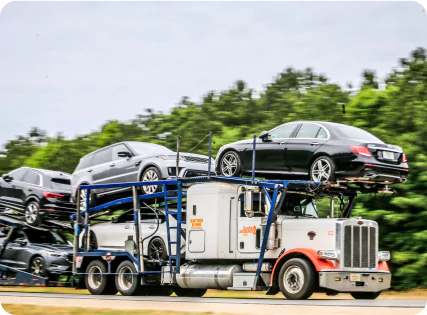
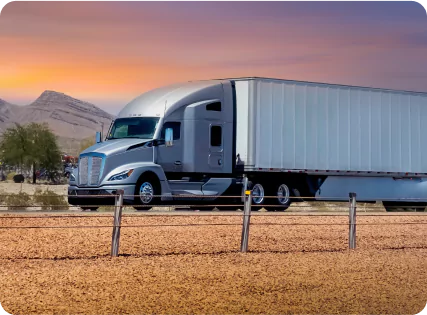
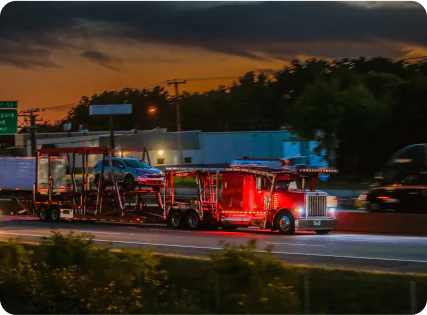
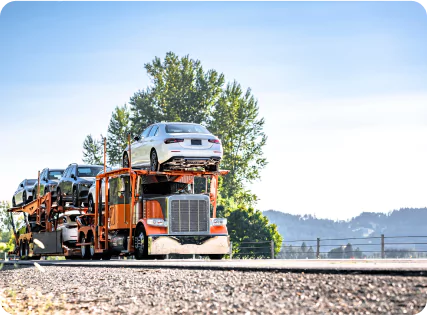
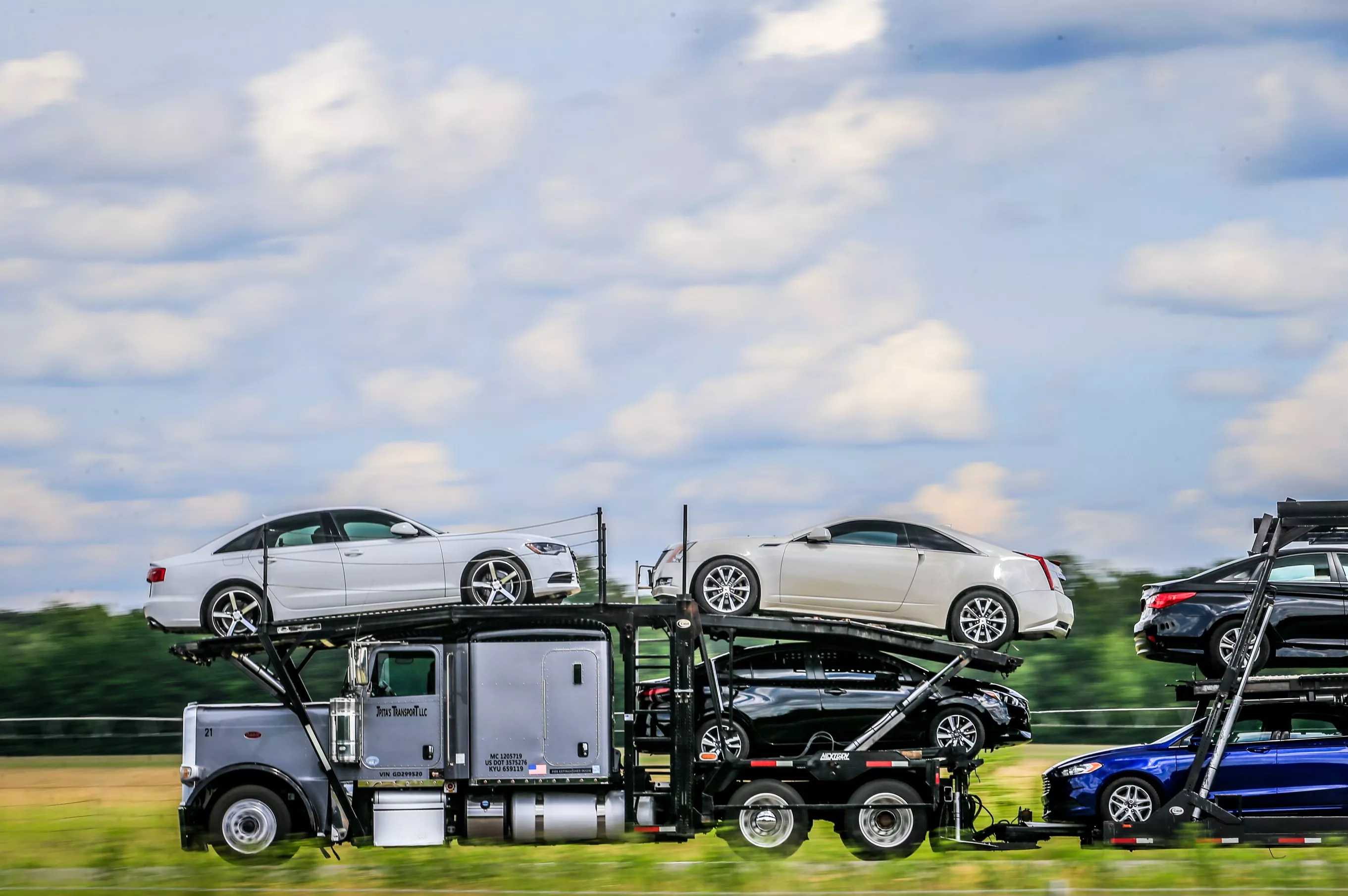
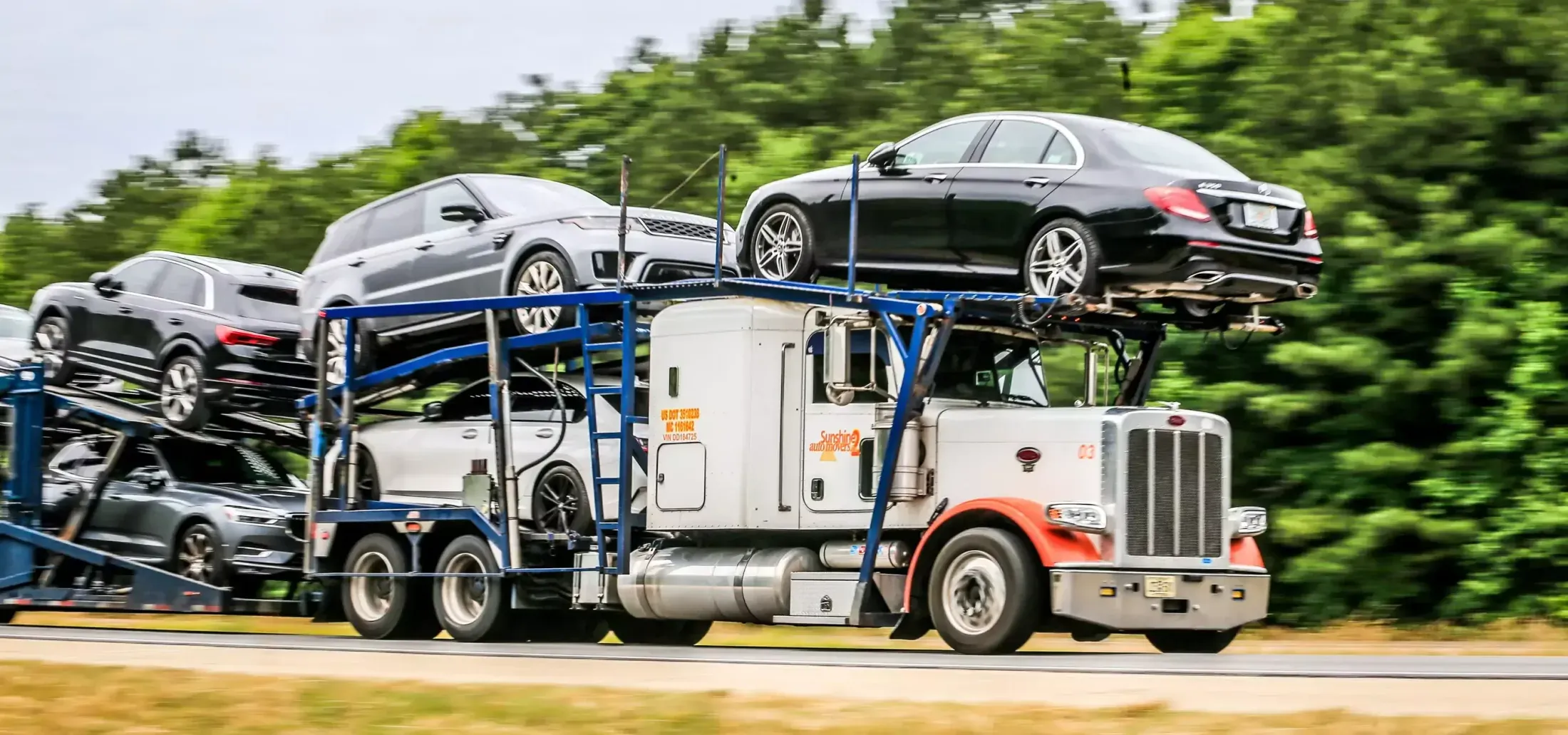
WeShipCars has an auto transport service that accommodates almost any vehicle, destination, and preferences

Preparing your vehicle properly before shipping ensures a smooth and efficient San Francisco car transport experience. A few quick steps can help protect your car, simplify the inspection process, and make loading and delivery faster.
Follow these steps to get your car ready for auto transport to and from San Francisco, California:

Wash the exterior so any pre-existing scratches or dents are clearly visible during inspection. Both you and the driver will note these on the Bill of Lading (BOL).
Take out all personal belongings, as they aren't covered by carrier insurance and can shift during transit, potentially causing damage.
Ensure your tires are fully inflated and your brakes are functioning correctly to ensure safe loading and unloading.
Confirm your vehicle is in good working condition. Repair any leaks and ensure all fluids are at the proper level.
This reduces the vehicle's overall weight, lowers fuel-related risks, and keeps transport costs down.
Turn off alarms and remove toll devices to prevent unnecessary interruptions or fees during transport.
Take clear, dated photos of your vehicle from several angles before pick-up to have a record of its condition.
Detach or secure external attachments, such as bike racks, antennas, or spoilers, to prevent damage during shipment.
Completing these steps before pick-up helps your carrier load, secure, and deliver your vehicle safely and efficiently during auto transport to or from San Francisco, CA.
We provide car shipping services across all ZIP code areas in San Francisco, California, and throughout the Bay Area. Whether you’re located in the city or nearby suburbs, our car haulers in San Francisco can safely and efficiently manage your vehicle pick-up or delivery.
WeShipCars offers full nationwide coverage, making it easy to arrange auto transport to and from San Francisco, CA, or to have your car shipped back to the city from anywhere in the United States.
For details on pricing, estimated delivery times, or service availability in your specific ZIP code, contact our team today.
94104
Financial District
94108
Union Square
94102
Tenderloin
94102
Civic Center
94109
Nob Hill
94109
Russian Hill
94111
Embarcadero
94133
North Beach
94133
Telegraph Hill
94133
Fisherman's Wharf
94103
SoMa (South of Market)
94158
Mission Bay
94103
Yerba Buena
94105
South Beach
94110
Mission District
94110
Inner Mission
94110
Bernal Heights
94114
Castro District
94114
Duboce Triangle
94114
Noe Valley
94117
Haight-Ashbury
94117
Lower Haight
94115
Western Addition
94115
Japantown
94115
Pacific Heights
94115
Lower Pacific Heights
94118
Presidio Heights
94123
Marina District
94123
Cow Hollow
94118
Inner Richmond
94121
Central Richmond
94121
Outer Richmond
94122
Inner Sunset
94116
Central Sunset
94122
Outer Sunset
94114
Twin Peaks
94131
Glen Park
94131
Diamond Heights
94112
Sunnyside
94112
Excelsior
94112
Outer Mission
94112
Crocker-Amazon
94124
Bayview
94124
Hunters Point
94134
Visitacion Valley
94134
Portola
94112
Ingleside
94112
Ingleside Terraces
94132
Lakeshore
94127
St. Francis Wood
94127
West Portal
94116
Forest Hill
94131
Forest Knolls


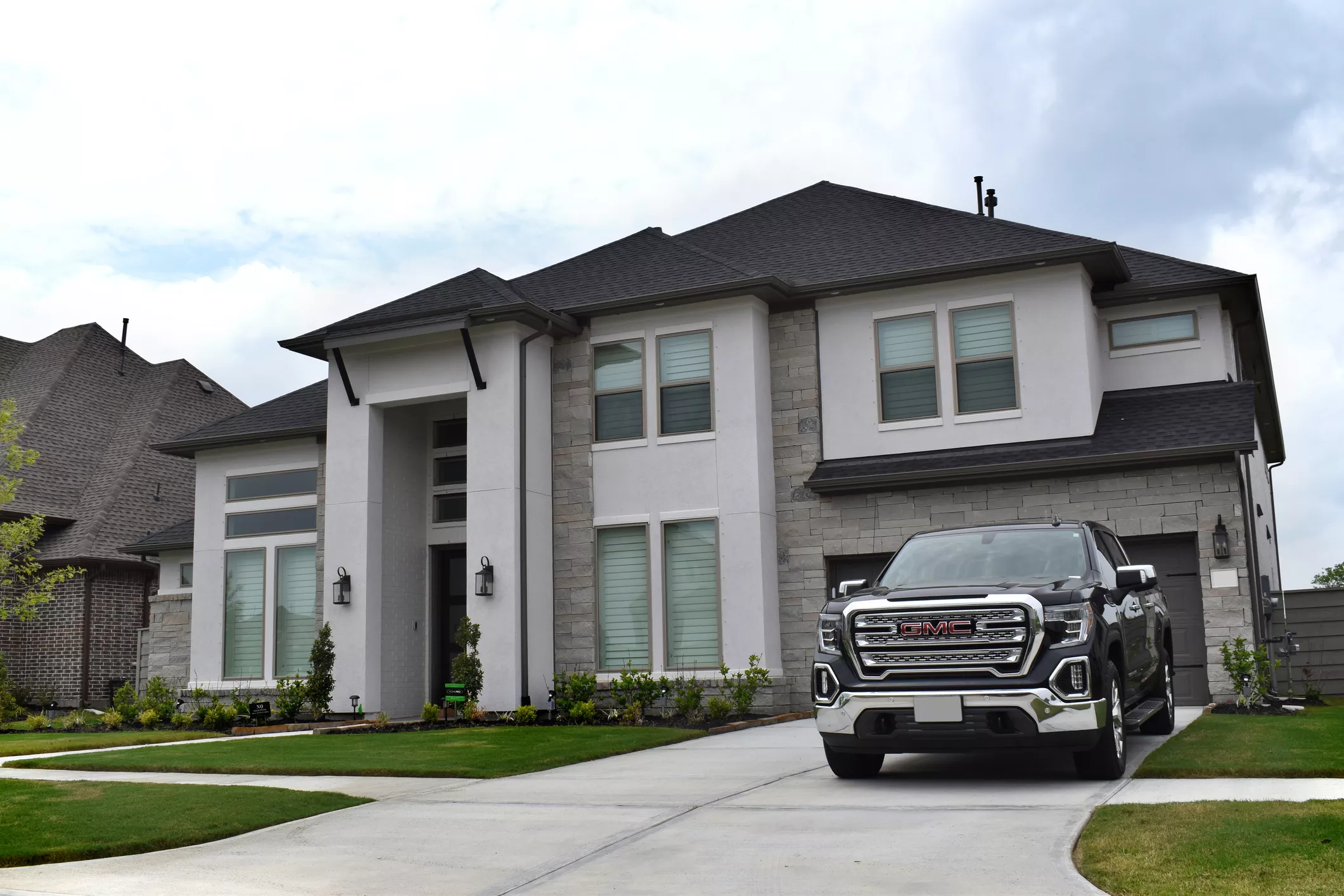
If you're purchasing a new or used car from a San Francisco dealership or buying one online, WeShipCars can handle the logistics for you. We coordinate pick-up directly from the dealer and organize safe, reliable vehicle delivery to your home, office, or another destination anywhere in the country.
| Name | Address | Phone |
|---|---|---|
| Audi San Francisco | 1001 Harrison St, San Francisco, CA | (415) 865-1500 |
| Royal Motor Sales – Mazda SF | 280 S Van Ness Ave, San Francisco, CA 94103 | (415) 241-8127 |
| Bentley San Francisco | 131 Harbor Dr, San Rafael, CA (serves SF area) | (415) 526-7330 |
| Stead Automotive Group | Multiple Bay Area locations (Chrysler, Jeep, Dodge, Kia…) | — |
| Cars Auto (SF) | 1635 Clement St, San Francisco, CA | (415) 661-2277 |
* The information provided in this table is for general reference only. While we strive for accuracy, details such as names, locations, status, and contact information may change. Please verify all information directly with the respective businesses or organizations.
If you're buying from a San Francisco auto auction or completing an online auction purchase, WeShipCars can manage your vehicle transport from start to finish. Our team arranges secure pick-up from the auction site and ensures prompt delivery to your chosen address anywhere in the US.
| Name | Address | Phone |
|---|---|---|
| Manheim San Francisco Bay | 29900 Auction Way, Hayward, CA | (510) 726-1000 |
| America's Auto Auction – Northern California | 250 Dittmer Rd, Fairfield, CA | (707) 864-1040 |
* The information provided in this table is for general reference only. While we strive for accuracy, details such as names, locations, status, and contact information may change. Please verify all information directly with the respective businesses or organizations.
| Name | Address | Phone |
|---|---|---|
| San Francisco Old Car Picnic | Golden Gate Park (Speedway Meadow), San Francisco, CA | — |
| SF Chinatown Car Show & Parade | Grant Ave, Chinatown, San Francisco, CA | — |
| SF "King of the Streets" Lowrider Parade & Car Show | Mission District, San Francisco, CA | — |
* The information provided in this table is for general reference only. While we strive for accuracy, details such as names, locations, status, and contact information may change. Please verify all information directly with the respective businesses or organizations.
| Name | Address | Phone | Parking |
|---|---|---|---|
| SFO Cell Phone Waiting Lot | North McDonnell Rd & San Bruno Ave, San Francisco, CA 94128 | (650) 821-7900 | Free |
| SFO Short-Term / Garage Parking | San Francisco Intl Airport, SF, CA | — | Paid |
* The information provided in this table is for general reference only. While we strive for accuracy, details such as names, locations, status, and contact information may change. Please verify all information directly with the respective businesses or organizations.
The cost of San Francisco car shipping depends on several factors, including distance, vehicle type, transport method (open or enclosed), and seasonal demand. On average, shorter routes within California range from $500 to $900, while cross-country shipping can cost between $1000 and $1800 or more.
Most auto transport companies handle a wide variety of vehicles, including sedans, SUVs, pickup trucks, motorcycles, and luxury or classic cars. Specialized carriers can also accommodate oversized or non-running vehicles.
WeShipCars accepts all major US-issued credit and debit cards (Visa, MasterCard, American Express, and Discover), as well as Zelle and bank transfers.

Get a free, instant quote today and see how easy and affordable auto transport can be with WeShipCars.








.svg)