Anytime I ship a car, I will be contacting this company!
This place was great from start to finish! The process was easy and they were responsive through emails. Anytime I ship a car, I will be contacting this company.

Get a free instant quote in seconds or call now (708) 300-0063
Rated 4.8 by hundreds of satisfied shippers
This place was great from start to finish! The process was easy and they were responsive through emails. Anytime I ship a car, I will be contacting this company.
Excellent customer service expedited service! Quoted and delivered in quick succession.
WeShipCars had good ratings and the lowest price. Their representative was great and the communication was top-notch. I wouldn't hesitate on hiring them.
We ship the car with them, they did a good job picking up on time and delivering according to schedule.
I probably looked at three other auto transport companies, but I used WeShipCars before and so I had them transport a Fiesta this time. Good communication. It was perfect.
Went as smooth as any car transit I have had, so I was pleased.
I have shipped numerous high end vehicles with them, Ferraris, Lamborghinis, Mercedes, Bentleys. You can trust these guys with your vehicle.
I''ve used these guys for a long time to ship my cars, and they are the only shipping company that I use! They are the best in the business!
I've used WeShipCars in the past for a boat. This time around, I used them to move a Mercedes van from one city to another. The customer service was good. I would use them again.
Key values that make us the reputable choice for owners who want clear pricing, managed, secure, and flexible open car transport:
Auto transport management company
Open car transport is a popular option, and it may seem challenging at first, but with us by your side, the process is simple and stress-free. As an auto transport management company, we hold your hand throughout the process from pick-up planning to open vehicle transport and final drop-off, so you know what to expect at each stage. All we need from you is details about the car you want to ship and where you want to ship it.
Fair market pricing
Choosing an open carrier is often one of the most cost-effective ways to move a vehicle, but the final rate still depends on current market demand and truck availability for your route. We base your quote on real market conditions, helping you avoid unrealistic low prices, hidden fees that increase the final price, or an open car shipping cost that changes later.
Guaranteed pick-up & expedited shipment
When timing matters, waiting on standard truck availability can make planning harder. Guaranteed pick-up helps secure a confirmed pick-up date for your open car transport. For last-minute arrangements or if your schedule is tight, expedited shipping prioritizes your vehicle so it can be assigned and picked up within 24-48 hours.
Full insurance coverage
Our full insurance coverage protects your vehicle throughout open transport car shipping. Detailed insurance documentation and careful pick-up and delivery inspections ensure full protection every step of the way. We also provide dedicated assistance with trucker insurance if required.



Rated 4.8 by hundreds of satisfied shippers
This place was great from start to finish! The process was easy and they were responsive through emails. Anytime I ship a car, I will be contacting this company.
Excellent customer service expedited service! Quoted and delivered in quick succession.
WeShipCars had good ratings and the lowest price. Their representative was great and the communication was top-notch. I wouldn't hesitate on hiring them.
We ship the car with them, they did a good job picking up on time and delivering according to schedule.
I probably looked at three other auto transport companies, but I used WeShipCars before and so I had them transport a Fiesta this time. Good communication. It was perfect.
Went as smooth as any car transit I have had, so I was pleased.
I have shipped numerous high end vehicles with them, Ferraris, Lamborghinis, Mercedes, Bentleys. You can trust these guys with your vehicle.
I''ve used these guys for a long time to ship my cars, and they are the only shipping company that I use! They are the best in the business!
I've used WeShipCars in the past for a boat. This time around, I used them to move a Mercedes van from one city to another. The customer service was good. I would use them again.
Explore the pluses of using open car carrier transport

Open car transport offers quick and efficient shipping solutions, ideal for timely deliveries.

Customers can arrange a guaranteed pick-up time, providing added convenience and flexibility.

The option for top load placement provides extra protection for vehicles during transit, safeguarding against potential damage.

Utilizing a trusted network of open carriers ensures reliable and secure vehicle transportation.

Open car transport typically offers competitive pricing, making it a cost-effective choice for shipping vehicles.

Despite being exposed to the elements, vehicles transported via open carriers are securely fastened and well-protected throughout the journey, ensuring their safety.
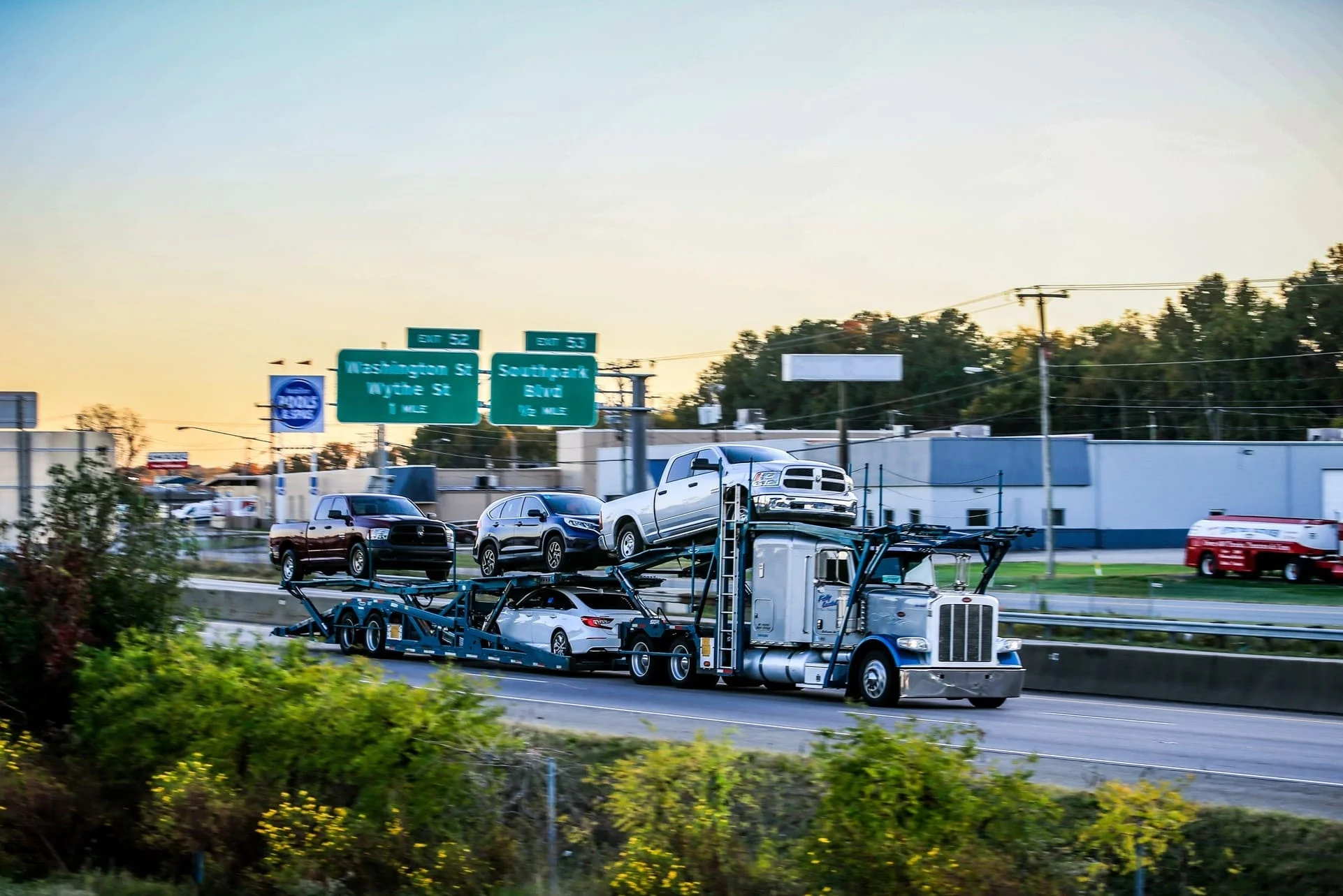
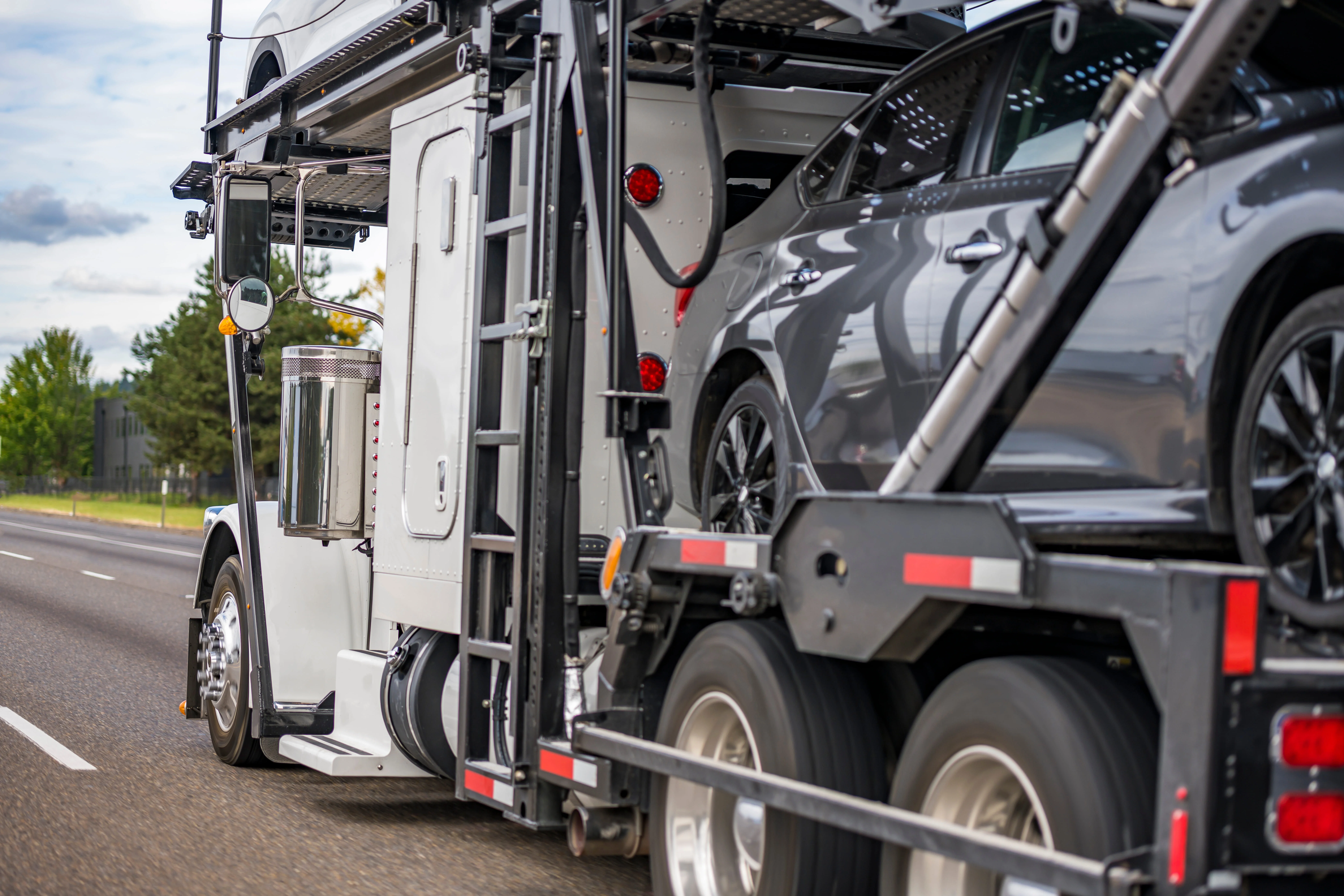
step 1
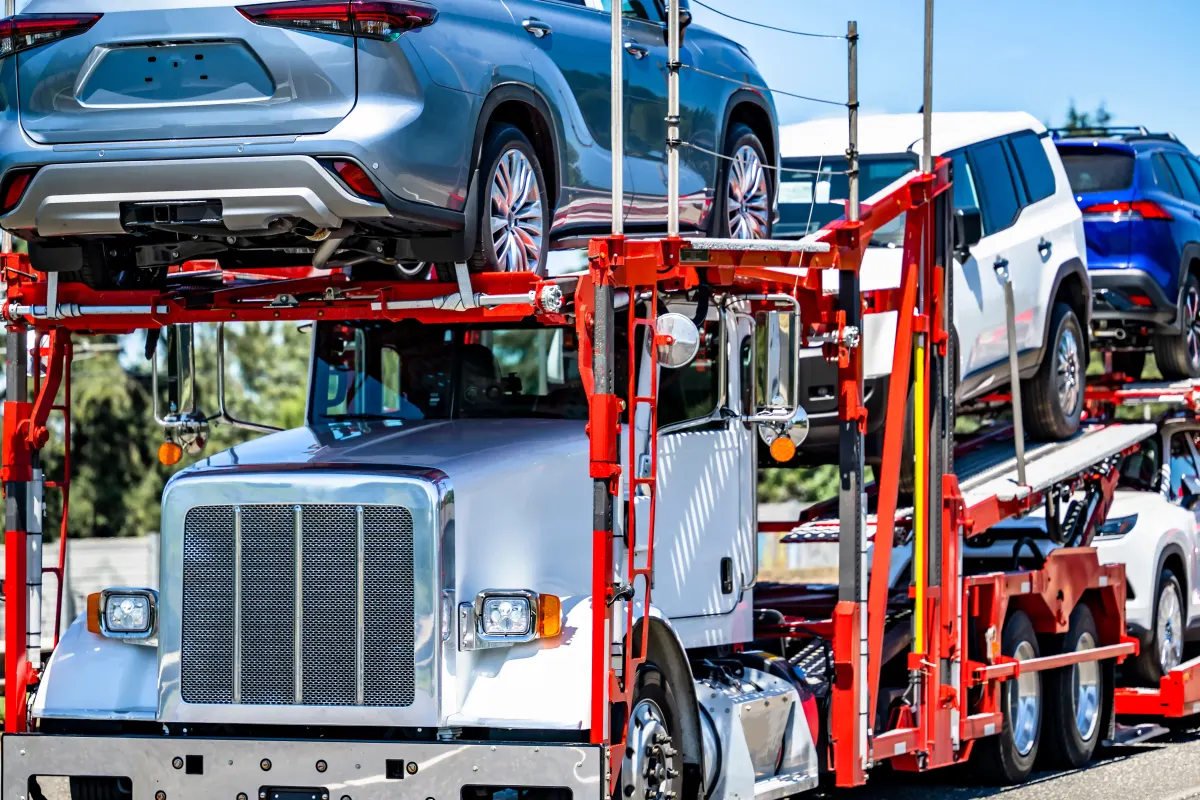
step 2
step 3

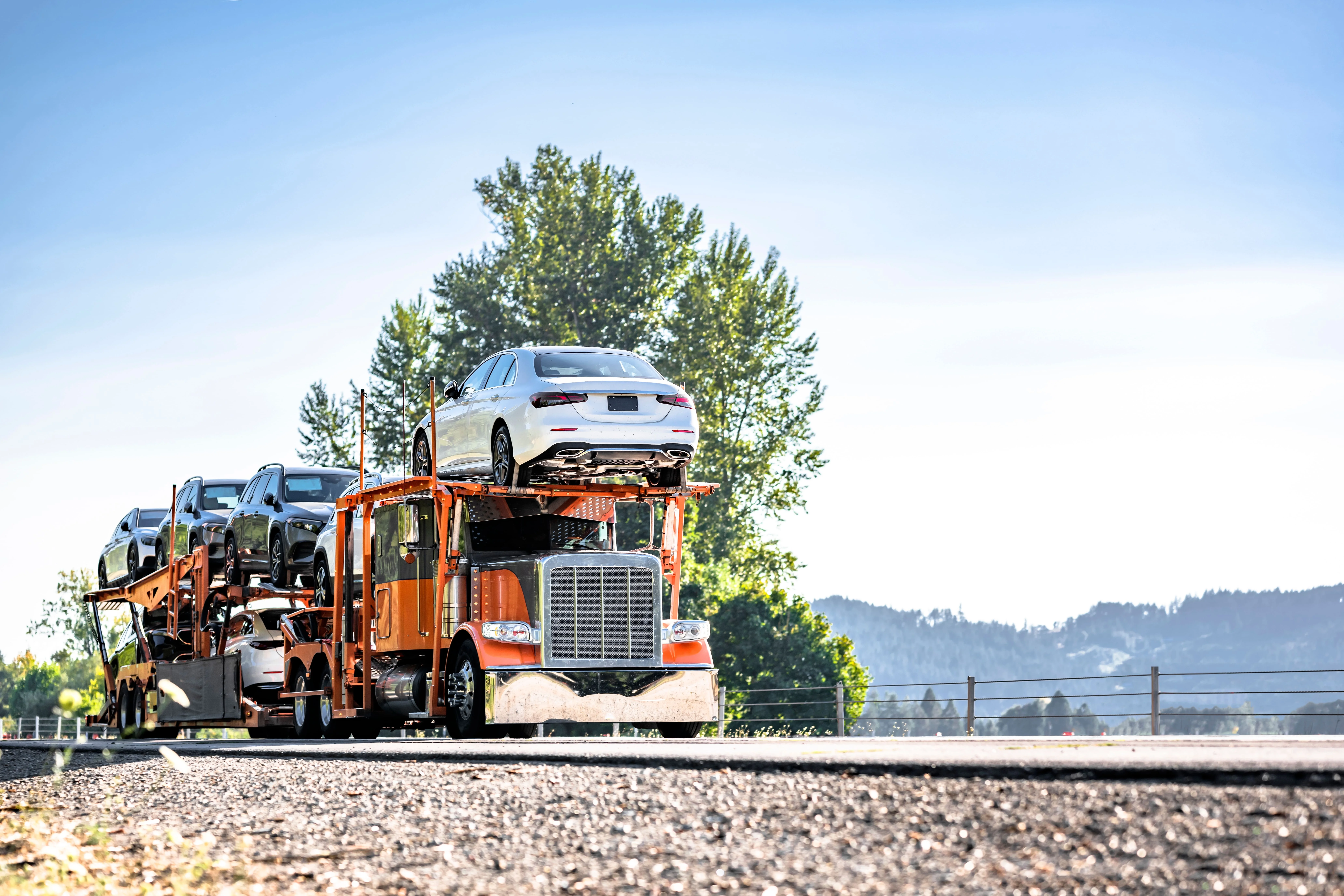


Get a free, instant quote today and see how easy and affordable auto transport can be with WeShipCars.
Additional open transport car shipping features that ensure your experience is easier, safer, and better value for money:

Experience worry-free open carrier car shipping with us. We prioritize transparent and convenient service and require zero upfront payment before we assign a truck for your convenience and peace of mind.
We appreciate life's unpredictability and understand that plans can change. That's why we offer the option to cancel your open car shipping at no charge before a truck is assigned, giving you the flexibility you need to adapt to any situation.
Feel confident knowing your vehicle’s safety comes first. We partner only with our managed network of over 20,000 fully vetted, licensed, and insured auto transport carriers through the USDOT and FMCSA. We pick carriers based on official ratings and past experience and performance with us. This ensures that we can uphold exceptional standards of professionalism and care throughout the open carrier car transport process.
Once your vehicle is loaded, you shouldn’t have to wonder what’s happening next. We keep the communication moving throughout your open vehicle transport, so you know when your car will be picked up, where it is during transit, and when it’s expected to arrive.
We customize our services to match your specific needs, delivering a personalized and efficient open air car shipping experience. We recognize that every customer is unique, and we’re committed to meeting your individual requirements. For example, if you need your car collected on a specific date, we offer guaranteed pick-up, and there’s expedited auto transport if you’re making last-minute arrangements.
Our dedicated open auto shipping specialists are here to walk you through every stage of the process, offering expert guidance and support from your initial booking to final delivery. Our 24/7 customer support team is always available to offer quick assistance, day or night.
Yes, there are specific instances when open transport car shipping wouldn’t be our recommendation:
In these cases, opting for enclosed car transport can provide the necessary protection and peace of mind, ensuring your vehicle arrives at its destination in the best possible condition.
The preference for open car transport among 90% of customers can be attributed to several key factors:
Overall, the affordability, availability, and suitability of open car transport for standard vehicles make it the preferred choice for most customers. While enclosed transport offers added protection, open transport meets the needs of most customers seeking efficient and economical vehicle shipping solutions.
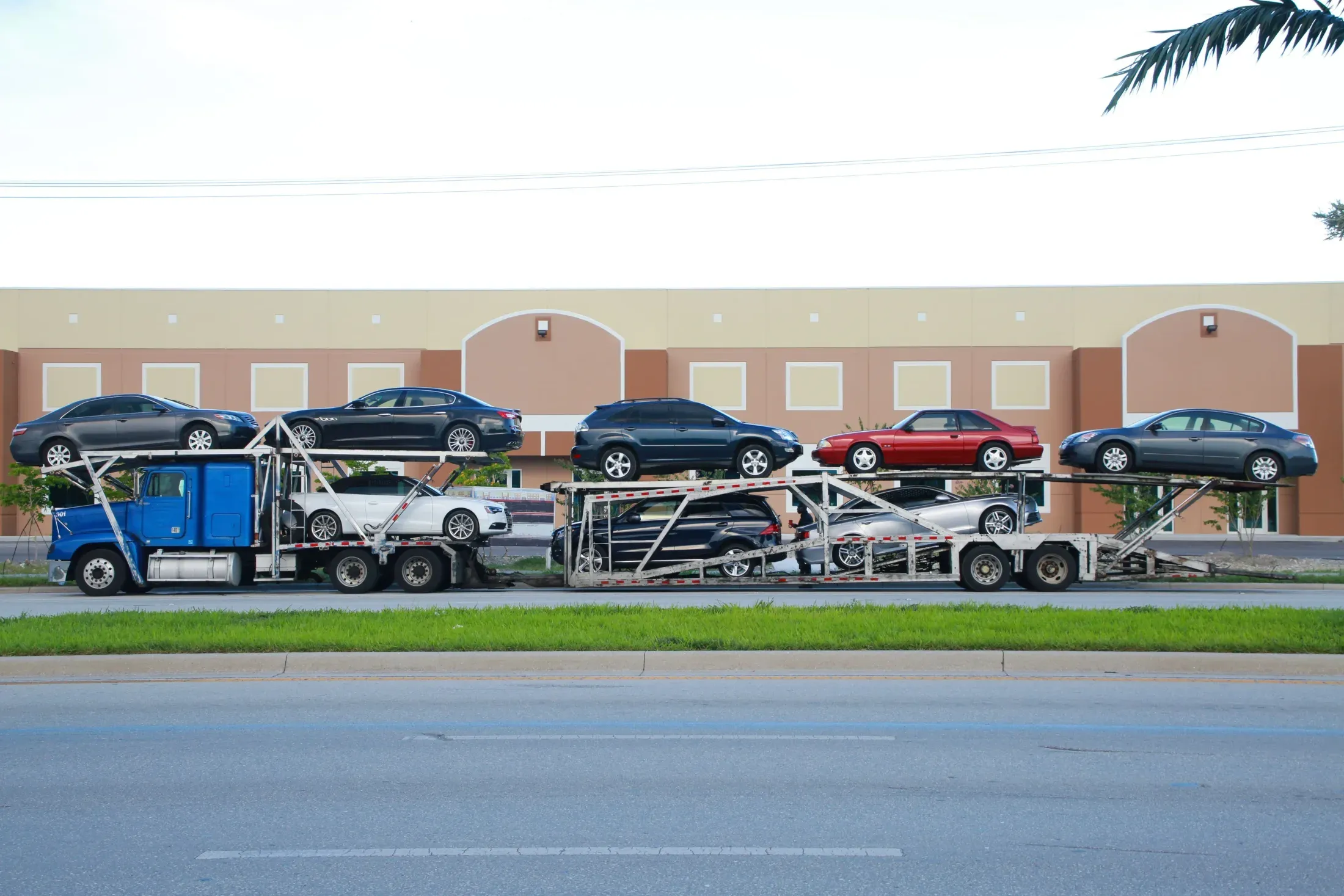
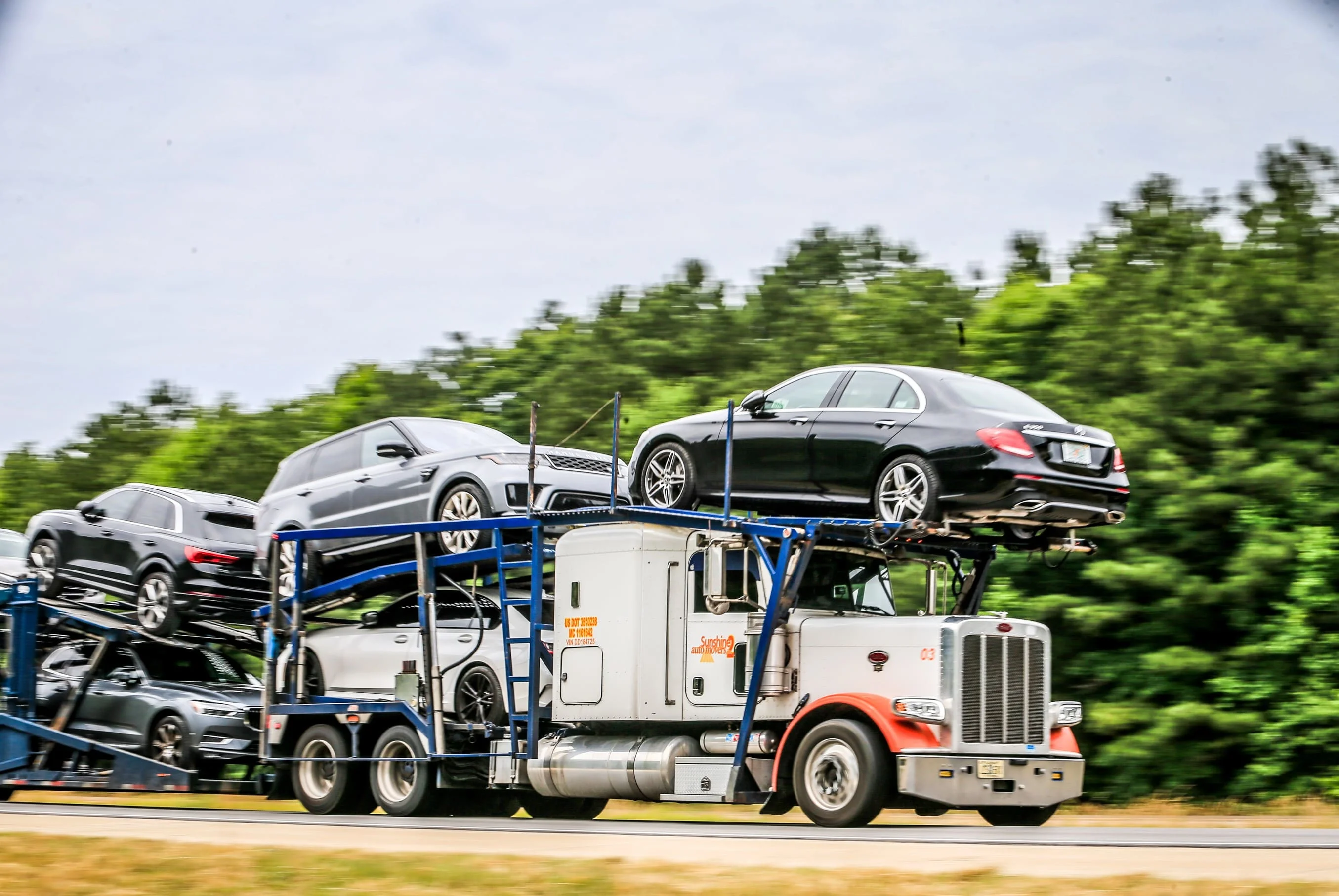
Open car carriers come in several types, each offering distinct features and advantages:
Each type of open car carrier offers unique benefits and is suited for different transportation needs. Understanding the characteristics of each type can help you choose the most suitable option for shipping your vehicles.
Get a free, instant quote today and see how easy and affordable auto transport can be with WeShipCars.