Texas to Virginia auto transport and vice versa

Texas to Virginia
auto transport and vice versa

Get a free instant quote in seconds or call now (708) 300-0063

4.9

236+ reviews

4.9 / A+

29+ reviews

4.7

84+ reviews

4.6

31+ reviews

Price match
Price match
More information
Full insurance coverage
Zero upfront payment
More information
Upfront payment
Insurance coverage
More information
24/7 customer support
More information

Customer experiences, in their own words:

Rated 4.9 by hundreds of satisfied shippers

Car Shipping

Texas Car Shipping

Ship a Car from Texas to Virginia

Texas to Virginia and Virginia to Texas auto transport services

Shipping a car between Texas and Virginia is a well-established long-distance route, with vehicles regularly moving between the South and the East Coast in both directions. This consistent flow helps make transport between Texas and Virginia more predictable when it comes to scheduling, pricing, and overall availability compared to less frequently used routes.

There are many reasons why people choose this route. Some are relocating for work or family commitments, while others are moving across the country for lifestyle changes, education, or long-term opportunities. Military relocations, online car purchases, and seasonal moves all contribute to a consistent flow of vehicles in both directions. It’s also common for people to arrange Texas to Virginia car shipping when relocating for work, particularly when moving toward major cities such as Richmond, Virginia Beach, or Northern Virginia.

The distance for most shipments between Texas and Virginia generally falls between 1,200 and 1,600 miles, depending on the exact pick-up and delivery locations involved. A route from Dallas to Richmond will naturally differ from one between Houston and Northern Virginia, but they all sit within a similar overall range. Once a vehicle is loaded, transit time for Texas to Virginia vehicle shipping typically runs within 3 to 5 days, although traffic, weather conditions, and route planning can influence timing slightly.

When it comes to pricing, several factors need to be considered. If you’re comparing how much to ship a car from Virginia to Texas or planning the return journey, vehicle type, transport method, distance, and timing will all affect the final price. During busier periods, particularly in the summer months and peak moving seasons, demand tends to increase as more people relocate across the country, which can impact both pricing and availability. Outside of these times, rates are usually more consistent.

The process itself is often simpler than people expect once it’s clearly explained. Whether you’re arranging Texas to Virginia auto shipping or shipping a car from Virginia to Texas, it typically begins with a quote based on your route and preferred timing. Once everything is confirmed, your vehicle is scheduled with a licensed carrier already operating along this route, and the remaining steps are managed behind the scenes.

Drivers transporting vehicles along this route usually follow major interstate corridors such as I-40, I-20, and I-81. These are well-established freight routes used daily by long-haul carriers. Because of this, Texas to Virginia vehicle transport and Virginia to Texas vehicle transport services tend to follow consistent patterns, helping to keep scheduling reliable and transit times more predictable. This consistency is one of the reasons Texas to Virginia auto transport remains one of the more straightforward long-distance shipping routes.

Average Distance, Time and Cost from Texas to Virginia

Avg Distance

1,400 mi

Avg Transit Time

3-5 days

Avg Cost

$919-$1,245

* Please keep in mind that the prices are for an open car transport carrier and a small-size vehicle, and that both transit times and shipping prices shown are approximate estimates. Actual costs and delivery times may vary based on factors such as seasonal demand, fuel prices, pick-up and delivery locations, transport type, weather conditions, road conditions, carrier availability, etc.

Popular routes from Texas to Virginia and from Virginia to Texas

* Please keep in mind that the prices are for an open car transport carrier and a small-size vehicle, and that both transit times and shipping prices shown are approximate estimates. Actual costs and delivery times may vary based on factors such as seasonal demand, fuel prices, pick-up and delivery locations, transport type, weather conditions, road conditions, carrier availability, etc.

  1. Houston

    to Richmond

    DISTANCE

    1,390 mi

    TIME EST.

    3-5 days

    PRICE EST.

    $1,205

    Get a Quote  (opens in new tab)
  2. Dallas

    to Richmond

    DISTANCE

    1,270 mi

    TIME EST.

    3-5 days

    PRICE EST.

    $1,175

    Get a Quote  (opens in new tab)
  3. Houston

    to Virginia Beach

    DISTANCE

    1,440 mi

    TIME EST.

    3-5 days

    PRICE EST.

    $1,225

    Get a Quote  (opens in new tab)
  4. Dallas

    to Virginia Beach

    DISTANCE

    1,330 mi

    TIME EST.

    3-5 days

    PRICE EST.

    $1,195

    Get a Quote  (opens in new tab)
  5. San Antonio

    to Richmond

    DISTANCE

    1,500 mi

    TIME EST.

    4-6 days

    PRICE EST.

    $1,245
    Get a Quote  (opens in new tab)
How to choose the best company to ship a car from Texas to Virginia and Virginia to Texas?

How to choose the best company to ship a car from Texas to Virginia and Virginia to Texas?

When you’re planning to ship a car from Texas to Virginia, it’s a good idea to begin with some simple research, especially when dealing with Texas to Virginia auto transport, where demand and availability can shift depending on the time of year. A quick online search will usually bring up companies that specialise in car shipping from Texas to Virginia, but you’ll also come across providers offering car shipping from Virginia to Texas, depending on which direction you need. It can also help to look beyond search results by checking relocation forums, local Facebook groups, Reddit discussions, or even asking friends and family if they’ve used a similar service before.

At this stage, there’s no need to commit to anything. The goal is simply to build a shortlist of companies that regularly handle this route and have experience managing long-distance vehicle transport across state lines.

Once you have a shortlist, it’s important not to choose a company based on price alone. Before comparing quotes, make sure each provider is properly set up to handle car shipping from Texas to Virginia. Any reliable company should have a valid MC number, a registered USDOT number, active insurance coverage, and be transparent about how the process works. If this information is difficult to find or the answers feel unclear, it’s usually best to continue your search.

After confirming that a company is legitimate, take some time to go through customer reviews in more detail. Focus on feedback from people who have recently arranged car shipping from Texas to Virginia or in the opposite direction, including those shipping a car from Texas to Virginia for the first time. It’s worth checking a variety of platforms such as Google Reviews, the Better Business Bureau (BBB), Trustpilot, Shopper Approved, and ConsumerAffairs, as well as forums or Reddit threads where people often share more detailed, real-world experiences.

Star ratings only tell part of the story. What matters more is what customers are actually saying in their reviews. Look for patterns, particularly around pricing that seemed low initially but increased later, missed pick-up or delivery windows, and how communication was handled throughout the process. Consistent feedback about clear updates, realistic pricing, and support from collection through to delivery is usually a positive sign. While an occasional negative review is normal, repeated issues around the same concerns should not be ignored.

Once you feel confident in a company’s reputation, you can start comparing pricing more closely. A quote should be clear and easy to understand, especially when considering how much to ship a car from Virginia to Texas or planning the return journey. It’s also worth checking whether the company offers $0 upfront payment and free cancellation before a carrier is assigned, as this provides flexibility if your plans change and helps avoid committing too early. The right provider won’t just give you a price, they’ll make the entire process feel organised, transparent, and straightforward from the beginning.
car shipping auto transport services

Ready to ship?
Your journey starts here:

Why choose WeShipCars to ship a car from Texas to Virginia and Virginia to Texas?

If you’re planning to ship a car from Texas to Virginia or make the return journey, you’re trusting someone to handle a valuable asset over a long distance. That’s a responsibility that requires a consistent and reliable approach. Everything is built around transparency, accountability, and clear communication, so you’re never left unsure about where your vehicle is or what the next step looks like.

Here are the standards we follow on every shipment:

Dollar icon
Zero upfront payment
Calendar icon
Free cancellation
Shield icon
Full insurance coverage
Smiley icon
Experienced and vetted truckers
Badge icon
Flexible service and clear communication
Profile icon
Ongoing support when you need it

Hear directly from our customers

Watch and learn why shippers across the U.S. trust us for their car shipping.
Auto transport services from Texas to Virginia or vice versa

Door-to-door auto transport from Texas to Virginia

Door-to-door auto transport

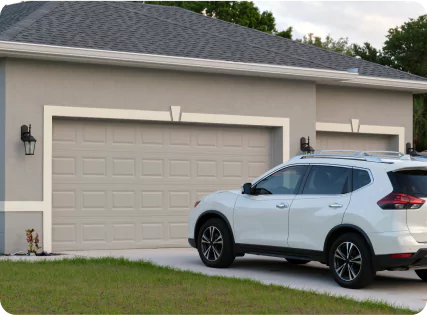
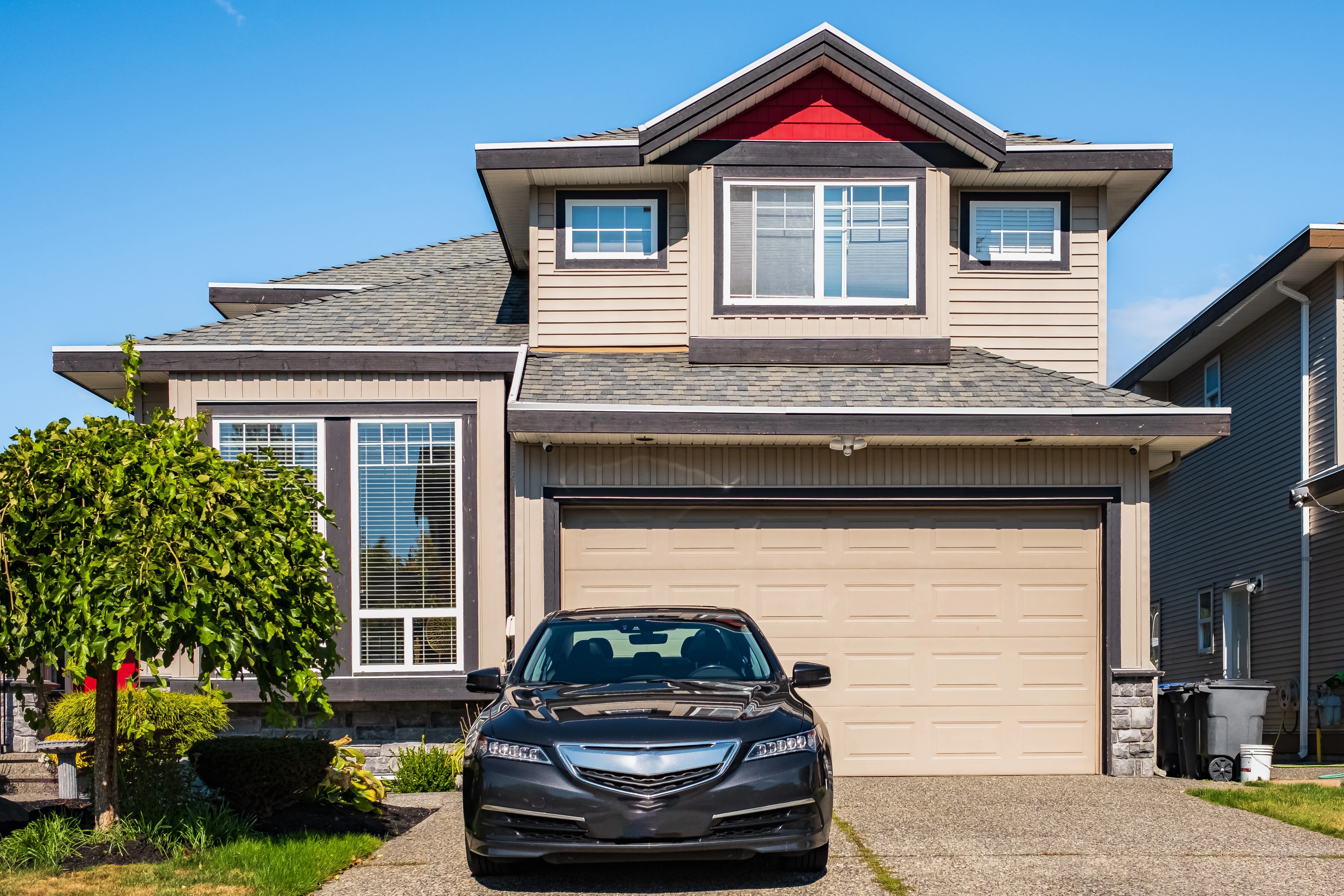
Door-to-door car transport is one of the simplest and most convenient ways to manage car shipping from Texas to Virginia and in the opposite direction. With this option, the trucker collects your car from your chosen address and delivers it directly to your destination, whether that’s your home, workplace, or another suitable location. helping reduce the need for additional travel or coordination.

In many cases, this means direct access at both pick-up and delivery locations. However, transport trucks can be up to 80 feet long, which means not every street is suitable for access. If there are restrictions such as narrow roads, limited parking, or local regulations, the driver will suggest a nearby meeting point instead. This is usually a straightforward location, such as a wider road or local parking area, and helps keep the process running smoothly without unnecessary complications.

Open car transport

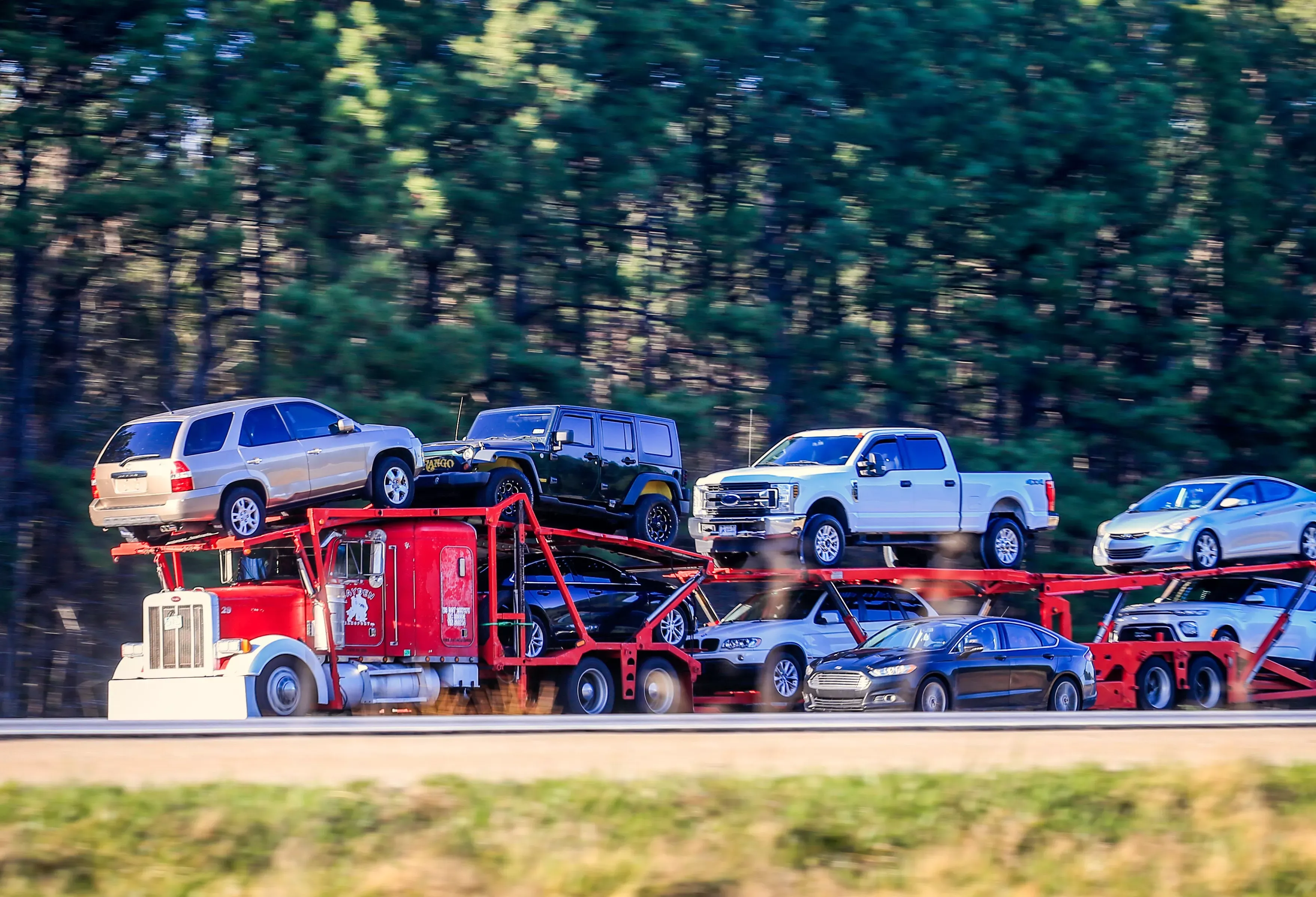
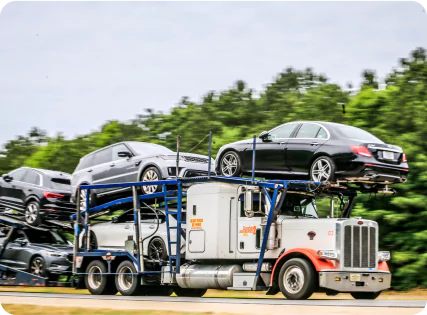
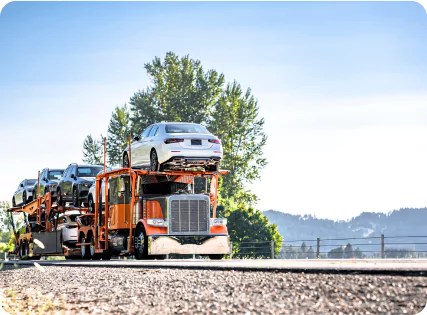
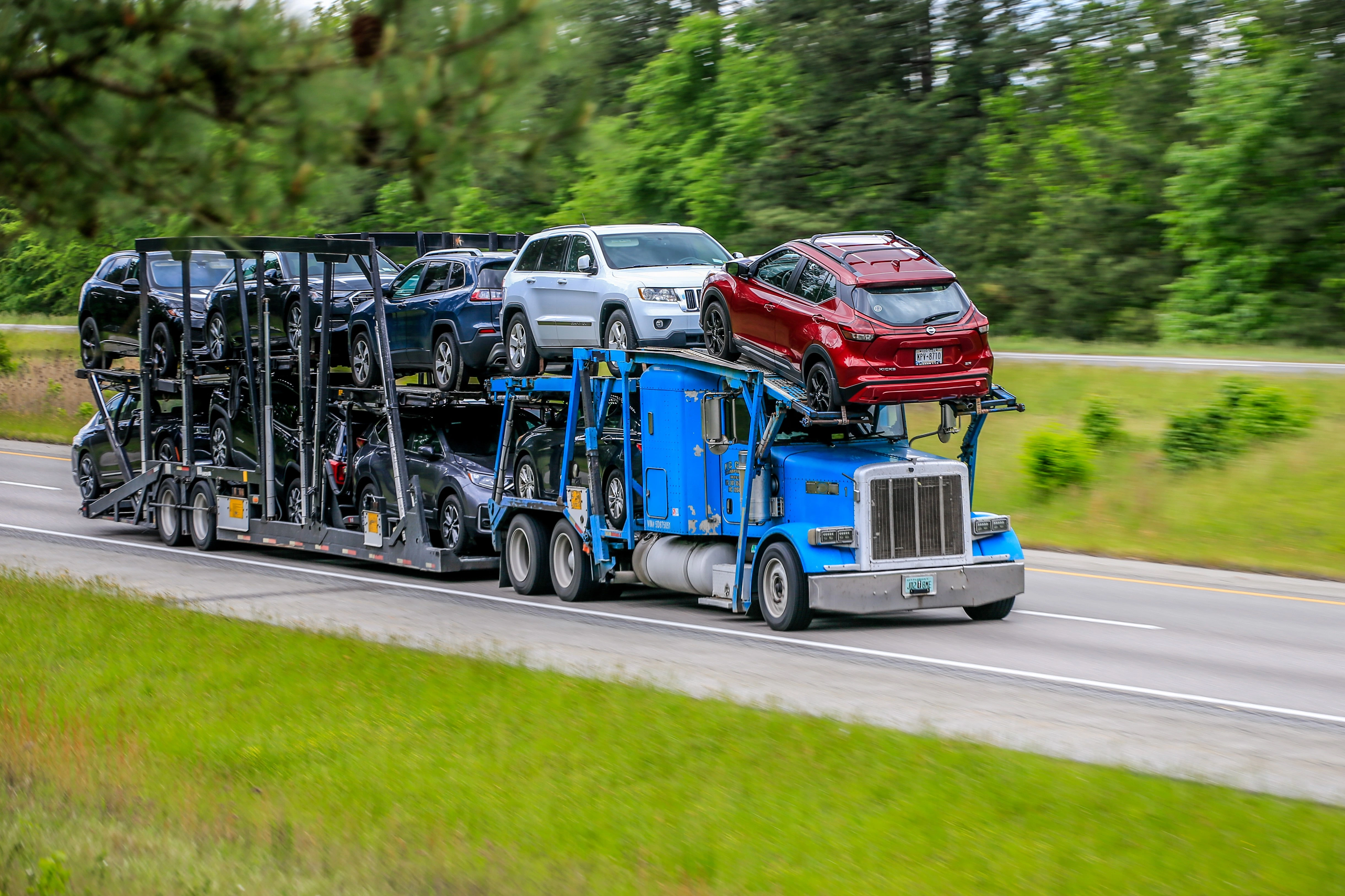
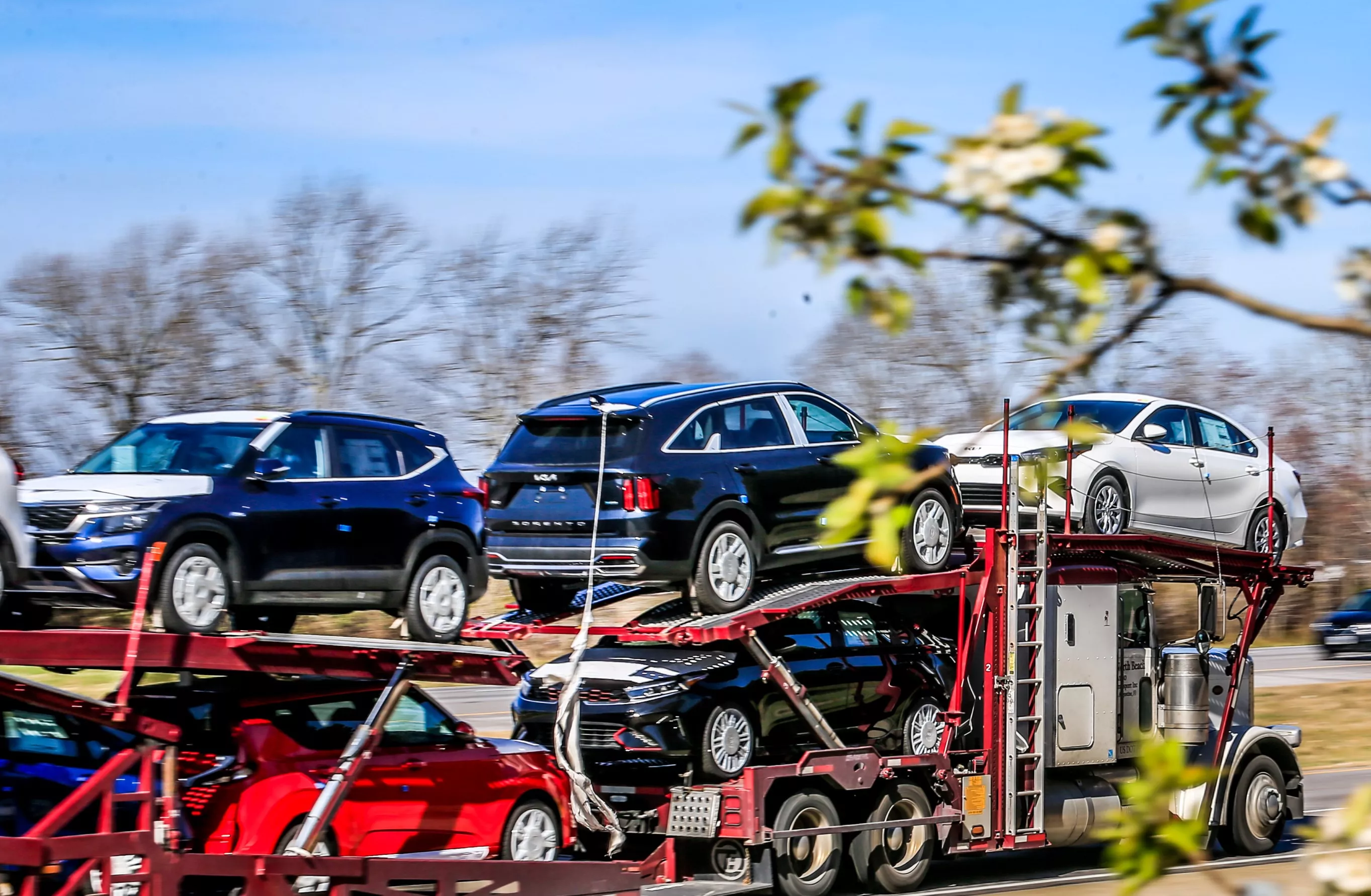
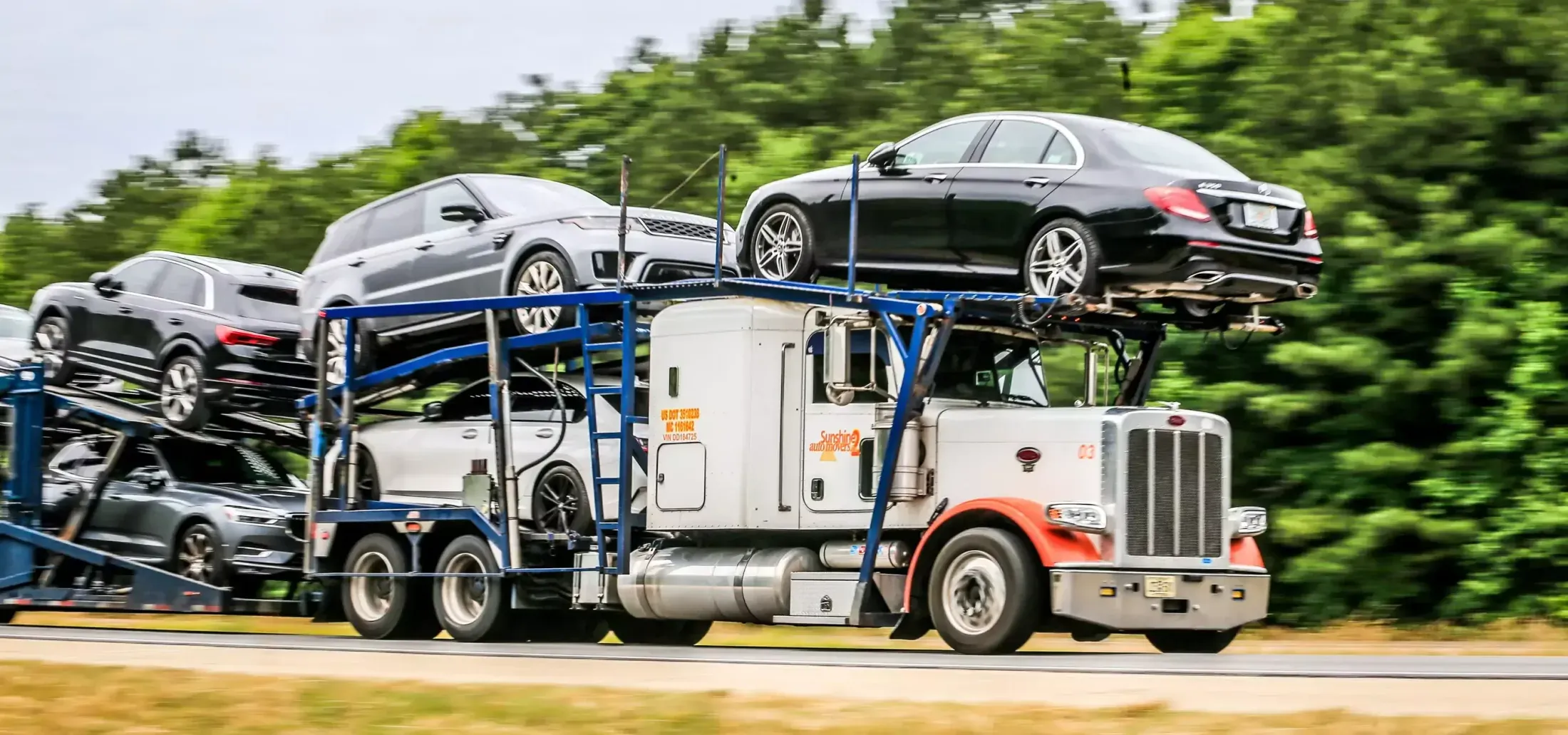
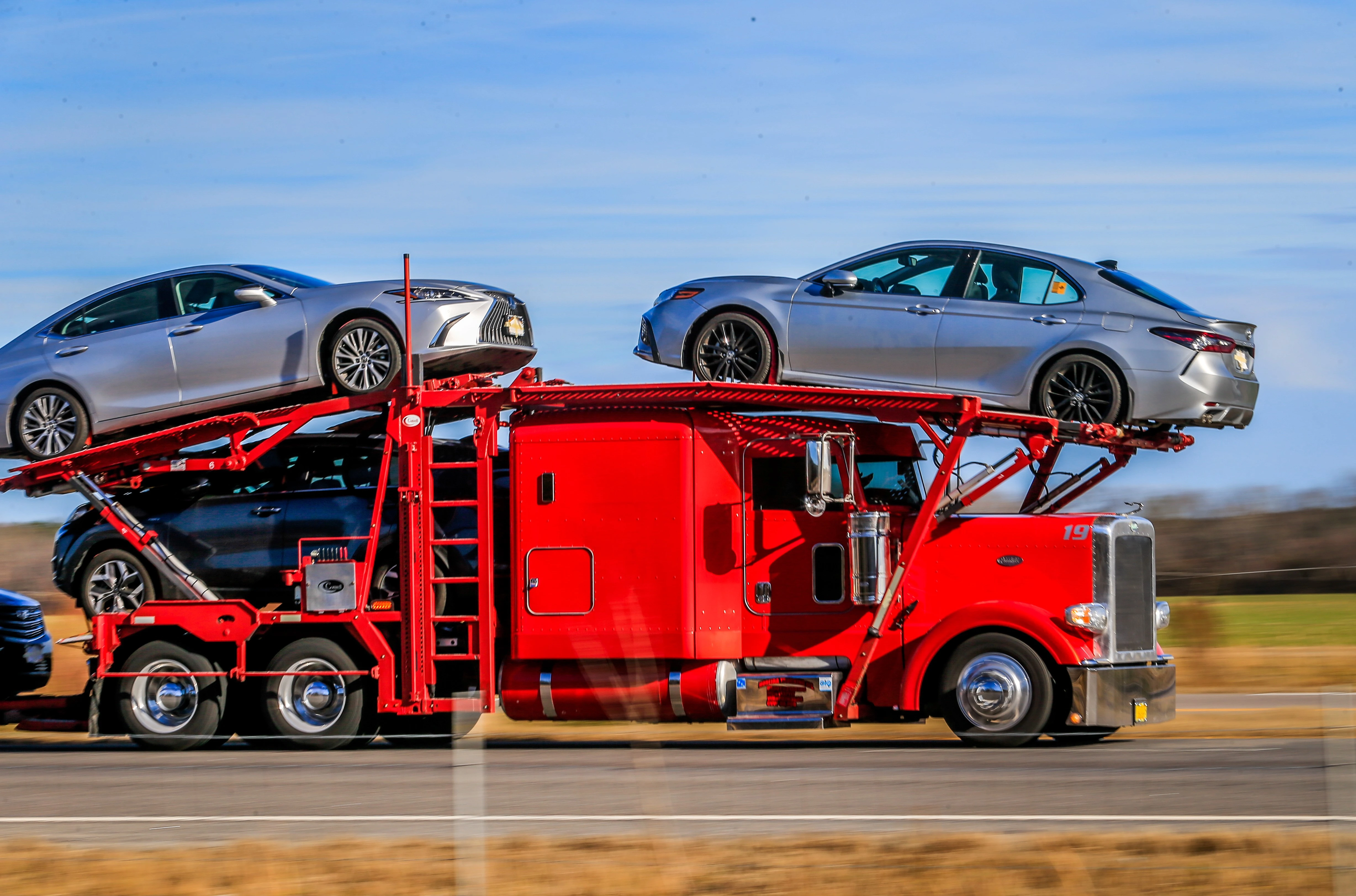
Open car transport is the most commonly used option for Texas to Virginia car shipping and is typically the most cost-effective choice. If you’ve seen multi-car carriers travelling on the highway, this is the same method used here. Vehicles are carefully loaded, securely positioned, and transported alongside others moving in the same direction.

Because there are more open trailers operating along this route, it is generally easier to arrange and tends to be the most cost-effective option. For standard vehicles, it remains the most practical choice and works well for the majority of shipments.
Open car transport from Texas to Virginia
Enclosed auto transport from Texas to Virginia

Enclosed auto transport

Some vehicles require additional protection during transport, particularly over long distances. Enclosed trailers are fully covered, which helps protect the vehicle from weather conditions and road debris throughout the journey.

This option is typically chosen for classic cars, luxury vehicles, or higher-value vehicles where maintaining condition is especially important. While it’s not always necessary for everyday vehicles, it provides an added level of protection when needed.

Expedited auto transport

If you’re working within a tighter timeframe, expedited car shipping from Texas to Virginia and Virginia to Texas auto shipping allows your shipment to be prioritised within the scheduling process. Rather than waiting within standard availability, your vehicle is given priority when organising transport, helping reduce the time it takes to arrange pick-up.

Pick-up is usually arranged within a shorter window, depending on your location and current availability. It’s important to note that expedited service focuses on faster scheduling rather than faster transit. Once the vehicle is in transport, the driving time itself remains similar to standard shipping.
Expedited auto transport from Texas to Virginia
Guaranteed pick-up services from Texas to Virginia

Guaranteed pick-up services

When timing is critical, guaranteed car pick-up services provide a fixed collection window for your shipment. Instead of working within a flexible scheduling range, your vehicle is arranged to be collected on a specific agreed date.

This option is particularly useful when coordinating around travel plans, property move-in dates, or other fixed commitments where delays could cause disruption. It offers greater certainty around when your vehicle will be collected, rather than relying on general availability.
car shipping auto transport services

Ready to ship?
Your journey starts here:

How does shipping a car from Texas to Virginia and Virginia to Texas work?

Setting up Texas to Virginia auto transport between Texas and Virginia, and in the opposite direction, is a straightforward process once you understand how each stage fits together. It usually begins with requesting a quote based on your pick-up and delivery locations, along with your preferred timeframe. From there, your shipment is arranged and prepared for collection, with everything organised to keep the process as smooth as possible. This applies whether you’re arranging standard transport or shipping a car from Texas to Virginia as part of a move or relocation:

STEP 1

Get a quote and book your pick-up:

The first step is to understand the cost of your shipment so you know what to expect. Most people use the online car shipping calculator because it’s quick and convenient, but you can also call (708) 300-0063 or use live chat if you’d prefer to speak with someone directly. Once you’ve reviewed the price and are comfortable with the timing, you can confirm the details and proceed with booking your shipment.

To generate an accurate quote, you’ll need to provide a few key pieces of information. This includes where the vehicle is being collected from, where it’s being delivered to, and the type of vehicle being shipped. Details such as whether the car is running and whether you’ve selected open or enclosed transport will also influence the final price.

The same process applies whether you’re arranging car shipping from Texas to Virginia or planning the return journey. Providing an email address allows a copy of your quote to be sent for reference, while a phone number helps ensure any details can be confirmed quickly without unnecessary delays.

Once everything has been confirmed, your shipment is scheduled and a pick-up window is arranged. From that point, the process moves forward without unnecessary back-and-forth, keeping everything simple and organised.
Get a quote and book your order pick-up
We pick up your vehicle

STEP 2

Vehicle pick-up:

Once your order is confirmed, your vehicle is scheduled for collection at your chosen location, whether you’re based in Texas or Virginia. Timing is arranged in advance so you know what to expect, and the trucker will usually call a few hours before arrival to confirm final details.

If you’re not available at the time of collection, someone else over the age of 18 can release the vehicle on your behalf. Many people choose to ask a neighbour, friend, or family member to assist if needed, which helps keep the process flexible.

Transport trucks can be up to 80 feet long and significantly heavier than standard vehicles, which means not every street is suitable for access. In areas where space is limited, such as narrow residential roads or busy urban locations, the driver may suggest a nearby meeting point, such as a larger road or a local parking area, to allow safe loading.

At collection, you and the driver complete a full vehicle inspection together. Any existing marks or damage are carefully recorded on the Bill of Lading before the vehicle is loaded onto the trailer. You’ll receive a copy for your records, which is then used again during delivery to confirm conditions.

There isn’t a single fixed route used every time for car shipping from Texas to Virginia. Drivers typically travel along major interstate corridors such as:

  • I-40: A key west–east route running across large sections of the country.
  • I-20: A major corridor connecting parts of Texas across toward the Southeast.
  • I-81: A primary route running through Virginia and along the East Coast.

STEP 3

We deliver your vehicle:

As your vehicle gets closer to the delivery location, the trucker will contact you to confirm the expected delivery time and ensure everything is ready for unloading. Updates can be provided during transit if needed, so you’re kept informed throughout the journey.

If you’re unable to be present at the time of delivery, another adult over the age of 18 can accept the vehicle on your behalf, just as with pick-up.

Once the vehicle arrives, you and the driver will carry out a final inspection together, comparing its condition against the Bill of Lading completed at collection. This ensures everything matches and that the shipment has been completed as expected before signing off.

If any remaining balance is due, payment is typically made at delivery using cash, a cashier’s check, Zelle, or CashApp. If payment has already been completed in advance, the process is finalised once the paperwork is signed and the keys are handed over.
We deliver your vehicle
How long does it take to ship a car from Texas to Virginia and Virginia to Texas?

How long does it take to ship a car from Texas to Virginia and Virginia to Texas?

Shipping a car from Texas to Virginia or in the opposite direction typically takes around 3 to 5 days once the vehicle is in transit. This timeframe applies to both Texas to Virginia vehicle shipping and Virginia to Texas vehicle shipping, and can also vary slightly for Virginia to Texas auto transport depending on route conditions.

If you choose expedited shipping, the main difference is usually a shorter wait before pick-up rather than a faster journey once the vehicle is on the road. This timeframe applies across both directions of Texas to Virginia auto transport, although minor variations can occur depending on scheduling.

Several factors can influence the overall timeline, particularly on a long-distance route like this:

Pick-up and drop-off locations: The locations where your vehicle is collected and delivered can affect how quickly the shipment is arranged and completed. Vehicles located in major cities such as Dallas, Houston, Richmond, or Virginia Beach are generally easier to schedule, as carriers regularly travel through these areas. More rural or less accessible locations may require a short detour from the main route, which can slightly impact timing.

Distance traveled: The total distance between Texas and Virginia typically falls between 1,200 and 1,600 miles, depending on the exact pick-up and delivery points. Routes that begin in southern Texas or extend into more coastal areas of Virginia may take slightly longer than those closer to central or inland locations, simply due to the additional distance involved. This is typical for Texas to Virginia vehicle shipping routes.

Seasonal demand: The time of year can influence how quickly your vehicle is scheduled for transport. Busier periods, such as the summer months and peak relocation seasons, tend to see higher demand as more people move across the country. This increased volume can affect availability and may result in slightly longer scheduling windows.

Weather conditions: Transporting a vehicle between Texas and Virginia involves travelling through a range of weather conditions, including heat, storms, and seasonal changes across different regions. While routes are planned carefully, weather can occasionally affect timing if adjustments are needed to maintain safe travel conditions.

Road conditions and traffic: Traffic levels and road conditions can also impact transit times, particularly when travelling through busy areas or major transport corridors. Carriers may pass through cities such as Dallas, Memphis, Nashville, or Richmond, where congestion, construction, or temporary delays can add time to the journey.

Driver regulations: Federal safety regulations require drivers to take mandatory rest breaks during long-distance journeys. These rules are built into every schedule and help ensure that transport is carried out safely and consistently, rather than being rushed.

Vehicle size and condition: Standard vehicles are typically easier to transport and schedule. Larger, heavier, or non-running vehicles may require additional equipment or planning, which can slightly affect how quickly the shipment is arranged and completed.

Transport method: The type of transport you select can also influence timing. Open transport is more widely available and generally easier to schedule on routes like Texas to Virginia. Enclosed transport provides additional protection but may take longer to arrange due to more limited availability.

Service level selected: The level of service you choose will also affect the overall timeline. Standard shipping allows for more flexibility in scheduling, while expedited services reduce the waiting time before pick-up. Guaranteed pick-up options provide a fixed collection date, which can be helpful when working around specific plans or deadlines.
Shipping FROMShipping TODistance EstimateTime EstimatePrice Estimate
Dallas, TXRichmond, VA1270 mi3 to 5 days$1175
Houston, TXRichmond, VA1390 mi3 to 5 days$1205
San Antonio, TXVirginia Beach, VA1520 mi4 to 6 days$1245
Austin, TXRichmond, VA1430 mi3 to 5 days$1215
Fort Worth, TXVirginia Beach, VA1330 mi3 to 5 days$1185

* Please keep in mind that the prices are for an open car transport carrier and a small-size vehicle, and that both transit times and shipping prices shown are approximate estimates. Actual costs and delivery times may vary based on factors such as seasonal demand, fuel prices, pick-up and delivery locations, transport type, weather conditions, road conditions, carrier availability, etc.

How much does it cost to ship a car from Texas to Virginia and Virginia to Texas?

The cost to ship a car from Texas to Virginia typically falls around $1205, and for Texas to Virginia auto transport, pricing is influenced by several key factors. If you’re comparing how much to ship a car from Virginia to Texas, pricing can vary slightly based on demand, timing, and how the shipment fits within existing routes, with similar pricing patterns seen in Virginia to Texas auto transport depending on demand and timing.This estimate reflects typical pricing for this type of route, whether you’re shipping during busier periods or quieter times of the year.
How much does it cost to ship a car from Texas to Virginia and Virginia to Texas?

Several key factors influence the final cost for this route:

Market demand:
Pricing is affected by how many vehicles are being transported along this route at any given time. This is a commonly used corridor, particularly during summer months and peak moving seasons. As demand increases, prices may rise slightly due to greater competition for available space on transport trailers.

Truck availability: The number of carriers operating between Texas and Virginia can also impact pricing. While this route is serviced regularly, availability can become more limited during busy periods. When fewer trucks are available compared to demand, costs may increase slightly.

Distances and route length: The total distance between pick-up and delivery locations plays an important role in determining cost. Most routes between Texas and Virginia fall within a consistent range, but shipments starting in more remote areas or outside major transport corridors may require additional mileage, which can affect pricing.

Vehicle size and weight: Larger and heavier vehicles take up more space on a carrier. SUVs, trucks, and vans typically cost more to ship than standard cars due to the extra weight and space required during transport.

Vehicle value and condition: Standard vehicles are generally straightforward to transport. Higher-value vehicles or those that are not running may require additional care or specialised equipment, which can increase the overall cost slightly.

Pick-up and delivery locations: Vehicles located in major cities such as Dallas, Houston, Richmond, or Virginia Beach are typically easier for carriers to access, as they are already travelling along established routes. More rural or less accessible locations may require additional routing, which can increase pricing.

Seasonality: Prices can vary throughout the year depending on relocation trends. Summer months and peak moving seasons often bring higher demand, which can affect both availability and overall cost.

Fuel prices: Fuel costs play a significant role in long-distance transport pricing. Since shipments between Texas and Virginia cover a considerable distance, fluctuations in fuel prices can directly influence the total cost.

Service level and timing: Expedited shipping generally costs more because it prioritises faster scheduling. Standard shipping allows for more flexibility, which can help keep pricing more competitive.

Transport type: Open transport is the most widely used and cost-effective option due to its availability. Enclosed transport offers additional protection but typically comes at a higher cost because fewer carriers provide this service.

Discounts and savings: Some shipments may qualify for discounts depending on timing, flexibility, or specific circumstances. Being flexible with pick-up dates or locations can make it easier to fit your vehicle into an existing route, which can sometimes reduce the overall cost.

Common discounts may include:

Military car shipping discount
Snowbird car shipping discount
Student car shipping discount
Sunday car shipping discount
Loyalty car shipping discount
Multi-vehicle shipping discount
Shipping FROMShipping TODistance EstimateTime EstimatePrice Estimate
Dallas, TXRichmond, VA1270 mi3 to 5 days$1175
Fort Worth, TXVirginia Beach, VA1330 mi3 to 5 days$1185
Houston, TXRichmond, VA1390 mi3 to 5 days$1205
San Antonio, TXRichmond, VA1500 mi4 to 6 days$1245
Austin, TXRichmond, VA1450 mi3 to 5 days$1215

* Please keep in mind that the prices are for an open car transport carrier and a small-size vehicle, and that both transit times and shipping prices shown are approximate estimates. Actual costs and delivery times may vary based on factors such as seasonal demand, fuel prices, pick-up and delivery locations, transport type, weather conditions, road conditions, carrier availability, etc.
car shipping auto transport services

Ready to ship?
Your journey starts here:

Useful information about shipping a car from Texas to Virginia and Virginia to Texas

Cross-country demand and relocation patterns: This route experiences consistent movement throughout the year, although demand tends to increase during key relocation periods, especially in late spring and throughout the summer months. Many people ship a car from Texas to Virginia or in the opposite direction due to job changes, lifestyle moves, or family commitments, which creates predictable peaks in activity. During these busier times, scheduling windows can become slightly tighter, so planning ahead can help maintain flexibility and avoid delays. This helps keep Texas to Virginia auto transport running consistently throughout the year.

Weather differences across multiple regions: Shipping between Texas and Virginia involves travelling through a variety of climate conditions across different regions. Drivers may pass through hot southern areas, regions with changing seasonal temperatures, and more humid or storm-prone environments as they approach the East Coast. Although routes are planned with care, weather conditions across such a long journey can sometimes influence timing when adjustments are needed for safety.

Distance across each state matters more than expected: Both Texas and Virginia cover large geographic areas, and not all locations are equally easy to access. Pick-ups or deliveries in major cities are generally easier to organise due to regular truck traffic along established routes. In contrast, more remote, inland, or rural locations may require additional routing, which can have an impact on both scheduling and overall timing.

Access in residential and urban areas: Some neighbourhoods, particularly in larger cities such as Houston, Dallas, or parts of Northern Virginia, may have access limitations for large transport trucks. Narrow streets, traffic congestion, parking restrictions, or gated communities can make direct delivery more challenging. In these situations, meeting the driver at a nearby open location, such as a wider road or commercial parking area, is often the simplest and most practical solution.

Timing vehicle delivery with travel plans: It’s common to expect your vehicle to arrive at the same time as your own travel plans, but transport schedules don’t always align perfectly with personal timelines. On longer routes like car shipping from Texas to Virginia, allowing some flexibility between your arrival and your vehicle’s delivery can help make the overall process feel more manageable and less rushed.
Useful information about shipping a car from Texas to Virginia and Virginia to Texas
What is door-to-door car shipping from Texas to Virginia and Virginia to Texas?

What is door-to-door car shipping from Texas to Virginia and Virginia to Texas?

Door-to-door car shipping from Texas to Virginia, and in the opposite direction, is a straightforward and convenient way to transport your vehicle between two agreed locations. With this service, the carrier collects your car from your specified address and delivers it as close as possible to your destination, whether that’s your home, workplace, or another suitable location.

In some situations, direct access may not be possible due to factors such as narrow streets, low-hanging branches, or local access restrictions. When this happens, a nearby meeting point is arranged in advance to allow for safe loading and unloading. This approach helps keep the process simple and efficient, while avoiding unnecessary delays or complications.

Factors affecting the cost and time to ship a car from Texas to Virginia and Virginia to Texas

Direction of travel: This long-distance route doesn’t follow exactly the same pattern throughout the year. At certain times, there may be higher demand for car shipping from Texas to Virginia, while at other points the flow may shift more toward Virginia to Texas transport. These changes are often linked to relocation trends and seasonal movement, which can influence both pricing and how quickly a shipment can be scheduled. This is particularly noticeable for Virginia to Texas car shipping during peak relocation periods.

Urban vs. suburban access: Shipping between major metropolitan areas such as Dallas, Houston, Richmond, or Northern Virginia is different from arranging transport in smaller towns or rural locations. Busy urban environments can come with access restrictions for large transport trucks, while quieter or less populated areas may require additional routing. Both scenarios can affect how a shipment is organised and how smoothly collection and delivery take place.

Multi-vehicle loads: Vehicles are transported as part of a shared load rather than individually. This means your car is scheduled alongside others that are heading in the same direction. If space is already available on a Texas to Virginia route, scheduling can happen relatively quickly. If not, there may be a short wait while the carrier organises a full and efficient load.

Seasonal demand: Demand along this route tends to increase during peak relocation periods, particularly in late spring and throughout the summer months. These trends are driven by factors such as job relocations, school transitions, and long-distance moves, all of which can influence both pricing and availability.

Transport method: The type of transport you choose can have an impact on both cost and timing. Open transport is the most commonly used option and is generally easier to arrange due to its availability. Enclosed transport offers additional protection but is less widely available, which can affect scheduling on longer routes like Texas to Virginia.

Timeline flexibility: Being flexible with your pick-up window can make a noticeable difference when arranging transport. When timing is more flexible, it becomes easier to match your vehicle with an existing route, which can improve availability and sometimes help reduce costs. Fixed dates or tighter schedules may limit options slightly.

Vehicle size and condition: Standard vehicles are usually straightforward to schedule and transport. Larger, modified, or non-running vehicles may require additional space or specialised equipment, which can influence how the shipment is arranged and how quickly it can be confirmed.
Factors affecting the cost and time to ship a car from Texas to Virginia and Virginia to Texas
How to save on the cost to ship a car from Texas to Virginia and Virginia to Texas

How to save on the cost to ship a car from Texas to Virginia and Virginia to Texas?

If you’re reviewing quotes and paying close attention to how much it costs to ship a car from Texas to Virginia, a few small decisions can make a noticeable difference, especially on a long-distance route like this. This is particularly true when shipping a car from Texas to Virginia, where having some flexibility can help reduce the overall cost.

Be flexible with your timing: Having some flexibility with your schedule can make a significant difference on a long-distance route. If your pick-up date isn’t tied to a specific day, it becomes much easier to align your vehicle with an existing route. This allows carriers to plan more efficiently, which can help lower the overall shipping cost.

Choose open transport if your vehicle allows: Open car transport is the most commonly used option for Texas to Virginia car shipping and Virginia to Texas car shipping, and is typically the most cost-effective choice. For standard vehicles, this option helps keep costs lower compared to enclosed transport, which is less widely available and typically more expensive.

Use accessible pick-up and delivery locations: Selecting locations that are easy for large transport trucks to access can help avoid unnecessary detours or delays. Areas near major cities or along commonly used routes are generally easier for carriers to reach, which can help keep pricing more competitive.

Plan around peak moving seasons: This route is influenced by relocation trends throughout the year. Summer months and peak moving periods tend to bring higher demand, which can affect pricing. If you’re able to schedule your shipment outside of these busier times, costs are often more stable.

Book in advance: Last-minute bookings can reduce availability, particularly on longer routes like Texas to Virginia. Planning ahead gives you more time to secure a competitive rate, rather than paying more for a rushed or urgent shipment.

Ask about available discounts: Some shipments may qualify for discounts depending on factors such as timing, flexibility, or specific circumstances. It’s always worth asking what options are available before confirming your booking, as this can help reduce the overall cost.

How to prepare your vehicle for car shipping from Texas to Virginia and Virginia to Texas

Check mark

Clean and inspect the vehicle:

Before your vehicle is collected, it’s a good idea to give it a thorough clean and take a moment to check its overall condition. A clean exterior makes it much easier to identify any existing scratches, dents, or marks. When your car shipping from Texas to Virginia begins, the vehicle’s condition is recorded on the Bill of Lading, so inspecting it in advance helps ensure everything is accurate and clearly documented from the start.

Check mark

Remove personal items and loose accessories:

Any personal items left inside the vehicle are not covered by transport insurance. During a long-distance journey, loose belongings can move around and potentially cause damage. It’s best to remove valuables, fragile items, toll tags, and anything that isn’t securely fixed in place. External accessories, such as bike racks or loose trim, should also be removed or properly secured before collection.

Check mark

Check the basic operating condition:

Your vehicle should be able to roll, steer, and brake without any issues for standard transport. If the car is not running, this can still be arranged, but it’s important to mention it in advance so the appropriate equipment can be organised for safe loading and unloading.

Check mark

Make sure fuel or battery levels are appropriate:

Keeping the fuel level at around a quarter tank is generally recommended. This helps avoid unnecessary weight while still allowing the vehicle to be moved safely during loading and unloading. For electric vehicles, maintaining a moderate battery charge ensures the vehicle can be handled without complications throughout the transport process.

Check mark

Provide keys and arrange vehicle release:

The driver will need access to your vehicle to load and position it on the trailer, so a working set of keys must be available at pick-up. Either you or another adult aged 18 or over should be present to release the vehicle, complete the inspection, and sign the necessary paperwork before transport begins.

car shipping auto transport services

Ready to ship?
Your journey starts here:

Top 5 reasons to ship a car from Texas to Virginia instead of driving

1. It frees up your time for more important things: Driving from Texas to Virginia is a long-distance journey that can take around 18 to 24 hours of driving time, typically spread over several days. That's time spent on the road rather than focusing on your move, settling into a new home, or travelling in a more relaxed way. Choosing car shipping from Texas to Virginia allows your vehicle to be transported while you focus on other priorities.

2. It avoids the strain of long-distance driving: A journey of this length isn't just time-consuming, it can also be physically and mentally tiring. Long hours behind the wheel, changing conditions, and navigating through busy areas such as Dallas, Memphis, Nashville, or Richmond can quickly become exhausting. Shipping your vehicle removes that pressure entirely, making the process far more manageable.

3. The overall cost is often closer than expected: Fuel for a journey of over 1,200 miles is only one part of the total cost. When you include accommodation, meals, tolls, and potential maintenance after a long drive, expenses can add up quickly. Once you also consider time away from work and the value of your time, the difference between driving and shipping is often smaller than people initially expect.

4. It reduces exposure to changing weather conditions: This route passes through multiple regions, each with its own weather patterns. Depending on the time of year, you may encounter heat, rain, or changing conditions along the way. Shipping your vehicle removes the need to deal with unpredictable weather across such a long journey, making the process simpler and less stressful.

5. It helps preserve your vehicle's condition: A one-way trip between Texas and Virginia can add over 1,200 miles to your vehicle in a short period of time. Avoiding that additional mileage helps reduce wear and tear on the engine, tires, and overall condition of your car, which can be especially important if you plan to keep it long-term or maintain its resale value.
Top 5 reasons to ship a car from Texas to Virginia instead of driving

Driving vs. Shipping: What It Would Cost to Drive from Texas to Virginia

City, StateRoute UsedDistance EstimateTime EstimateGas Estimate
Houston, TXHouston, TX → Richmond, VA1,390 mi20 hrs (~3 days)$222
Dallas, TXDallas, TX → Richmond, VA1,270 mi18 hrs (~3 days)$203
Houston, TXHouston, TX → Virginia Beach, VA1,440 mi21 hrs (~3 days)$230
Dallas, TXDallas, TX → Virginia Beach, VA1,330 mi19 hrs (~3 days)$213
San Antonio, TXSan Antonio, TX → Richmond, VA1,500 mi21 hrs (~3 days)$240
Austin, TXAustin, TX → Richmond, VA1,430 mi20 hrs (~3 days)$229
Fort Worth, TXFort Worth, TX → Richmond, VA1,280 mi18 hrs (~3 days)$205
Houston, TXHouston, TX → Norfolk, VA1,450 mi21 hrs (~3 days)$232
Richmond, TXRichmond, TX → Houston, VA1,390 mi20 hrs (~3 days)$222
Virginia Beach, TXVirginia Beach, TX → Dallas, VA1,330 mi19 hrs (~3 days)$213

* Please note that the distances, transit times, and fuel savings presented are approximate estimates. Fuel savings are calculated using an average U.S. gas price of $4 per gallon as of April 2026, along with an assumed daily driving range of up to 500 miles at an average speed of 70 mph. Actual results may vary depending on factors such as the specific route taken, vehicle fuel efficiency, current fuel prices, traffic patterns, road conditions, weather, and other variables.

Seasonal Road Weather Impact: Texas to Virginia

SeasonWeather (Origin)Weather (Destination)Road ConditionsShipping Impact
Spring (Mar–May)Warm, severe storms & tornadoesMild, scattered showersTexas: Flash flooding risk on low-water crossings. Virginia: Good; Blue Ridge fog in morningsPossible delays
Summer (Jun–Aug)Very hot, 95-110°FHot & humid, thunderstormsTexas: Good; heat advisories in West Texas. Virginia: Good; afternoon storm visibility issuesMinor impact
Fall (Sep–Nov)Warm, hurricane season (Gulf Coast)Cool & pleasantTexas: Possible coastal flooding & evacuation routes. Virginia: Good; Skyline Drive tourism trafficPossible delays
Winter (Dec–Feb)Mild south, ice storms northCold, snow in mountainsTexas: Occasional ice on I-35/I-20 in north Texas. Virginia: Ice on I-81 Blue Ridge; coast stays clearPossible delays

Car shipping areas we serve in Texas

Car shipping areas we serve in Virginia

Top 5 things to know when moving between Texas and Virginia

Top 5 things to know when moving between Texas and Virginia

1. Registration timelines can catch people off guard: Both Texas and Virginia require new residents to update their vehicle registration within a specific timeframe after establishing residency. In Texas, this is typically within 30 days, while Virginia also generally expects registration to be completed within a similar timeframe. The process can feel more detailed depending on your situation, particularly when transferring a vehicle title between states, so it's worth checking the requirements early to avoid unnecessary pressure once your vehicle arrives.

2. Insurance requirements aren't the same: Moving between these states usually means updating your auto insurance policy to meet local requirements. Texas and Virginia have different minimum coverage levels, pricing factors, and risk considerations that can influence your premium. Arranging your updated policy in advance helps ensure everything is in place when it's time to register your vehicle.

3. Inspection and emissions rules differ: Vehicle inspection and emissions requirements can vary depending on where you're moving. Texas requires annual safety inspections, and in some areas, emissions testing is also required. Virginia also has safety inspections and emissions testing in certain regions. Depending on your destination, your vehicle may need to meet specific standards before it can be registered.

4. City access can affect delivery day: Urban areas in both states can present challenges for large transport trucks. Busy parts of cities such as Dallas, Houston, or Northern Virginia can have traffic restrictions, limited parking, or narrower streets that make direct delivery more difficult. In these situations, the driver may arrange a nearby meeting point that is easier and safer for unloading your vehicle.

5. The climate shift impacts your vehicle: The change in climate between Texas and Virginia can be noticeable depending on the regions involved. Texas can bring higher temperatures and dry conditions in some areas, while Virginia may have more seasonal variation and humidity. After relocating, it's a good idea to check your vehicle's cooling system, battery, tyres, and fluid levels to ensure everything is suited to the new environment.

Top 5 useful websites for Virginia

Virginia Department of Motor Vehicles (DMV): The official resource for vehicle registration, title transfers, driver licensing, and residency requirements across Virginia, making it essential when settling into the state.

Virginia Department of Transportation (VDOT): Provides updates on road conditions, construction projects, and travel advisories across the state, helping you stay informed when travelling through Virginia.

Virginia 511: Offers real-time traffic updates, road closures, and travel alerts across Virginia's highway network, which is especially useful for planning journeys or avoiding delays.

Zillow Virginia: A useful platform for exploring property listings, rental prices, and neighbourhood trends if you're moving within Virginia or searching for a new home.

The Virginian-Pilot: Covers regional news, infrastructure updates, and transportation developments that can influence travel and daily life across Virginia.
Top 5 useful websites for Virginia
Top 5 useful websites for Texas

Top 5 useful websites for Texas

Texas Department of Motor Vehicles (TxDMV): The main source for vehicle registration, title transfers, and motor vehicle services throughout Texas.

Texas Department of Public Safety (DPS): Provides information on driver licensing, identification services, and residency requirements within the state.

Texas Department of Transportation (TxDOT): Offers updates on road conditions, construction work, and statewide travel advisories, which are useful for navigating Texas highways.

Texas 511: Delivers real-time traffic updates, road closures, and travel conditions across Texas, helping you plan routes more effectively.

The Dallas Morning News: Covers regional news, infrastructure developments, and transportation updates that can impact travel and daily life across Texas.

Frequently Asked Questions

How much does it cost to ship a car from Virginia to Texas or from Texas to Virginia?

Most shipments between Texas and Virginia typically fall around $1205, depending on several factors. If you're researching how much to ship a car from Virginia to Texas, pricing will depend on vehicle type, transport method, timing, and demand. Pricing can also vary during peak moving seasons when demand increases, particularly in summer months. Additional factors such as fuel costs, truck availability, and how easily your vehicle fits into an existing route can also have an impact on the overall price.

What is the most affordable way to ship a car from Virginia to Texas or vice versa?

Open car transport is usually the most cost-effective option for Virginia to Texas car shipping and similar long-distance routes. It is widely available and commonly used for long-distance transport, which helps keep pricing more consistent. Because more carriers operate open trailers, it is also easier to schedule. Having some flexibility with your pick-up dates and locations can further reduce costs by allowing your vehicle to be matched with an existing route more efficiently.

How long does it take to ship a car from Virginia to Texas or from Texas to Virginia?

Transit time typically falls within 3 to 5 days for both Texas to Virginia auto transport and Virginia to Texas auto transport, depending on conditions. While this provides a general estimate, timing can vary slightly depending on factors such as traffic conditions, weather, and how the route is scheduled. Pick-up and delivery locations, seasonal demand, and driver regulations can also influence the overall timeline. Expedited services can help reduce the waiting time before pick-up, but the journey itself usually remains similar in length.

How does the car shipping process work?

The process usually begins with requesting a quote based on your route, vehicle details, and preferred timing. Once everything is confirmed, your shipment is scheduled and a pick-up window is arranged. A licensed and insured carrier collects the vehicle, completes a detailed inspection recorded on the Bill of Lading, and transports it along established interstate routes. At delivery, a final inspection is carried out to confirm the vehicle's condition before the process is completed and the keys are handed over.

Is my vehicle insured during transport?

Yes, your vehicle is fully insured while it is in transit. Coverage applies from the moment the vehicle is collected through to final delivery at its destination. This insurance is included as part of the transport service, so there are no additional steps required to ensure your vehicle is protected during the journey.

Is door-to-door car shipping really door-to-door?

In most cases, your vehicle is collected from and delivered directly to your chosen addresses, whether that's your home, workplace, or another suitable location. However, if access is limited due to narrow streets, local restrictions, or safety concerns for large transport trucks, the driver will arrange a nearby meeting point. This ensures the process remains straightforward while still keeping pick-up and delivery as convenient as possible.

What is the difference between open and enclosed transport?

Open transport is the standard option used for most vehicles and is typically the most cost-effective due to its availability. Vehicles are transported on multi-car trailers alongside others heading in the same direction. Enclosed transport places the vehicle inside a covered trailer, offering additional protection from weather conditions and road debris. This option is usually chosen for higher-value, classic, or specialist vehicles where added protection is important.

Can I leave personal items in my car during shipping?

It is recommended to remove personal items from your vehicle before transport. Items left inside are not covered by transport insurance, and loose belongings can move during transit, potentially causing damage. Removing valuables, fragile items, and unsecured accessories helps ensure your vehicle is transported safely.

Do I need to be present at pick-up and delivery?

It's recommended that someone is present at both pick-up and delivery to release and receive the vehicle, complete inspections, and sign the necessary paperwork. If you're unable to attend, another adult aged 18 or over can handle this on your behalf, which helps keep the process flexible.

When is the best time to book car shipping?

Booking your shipment two to three weeks in advance is usually the best approach. This allows more flexibility when scheduling and increases the chances of securing a competitive rate. Planning ahead is particularly helpful on long-distance routes like Texas to Virginia, where demand can vary depending on the time of year and relocation patterns.

States

WeShipCars logo

Get a free, instant quote today and see how easy and affordable auto transport can be with WeShipCars.