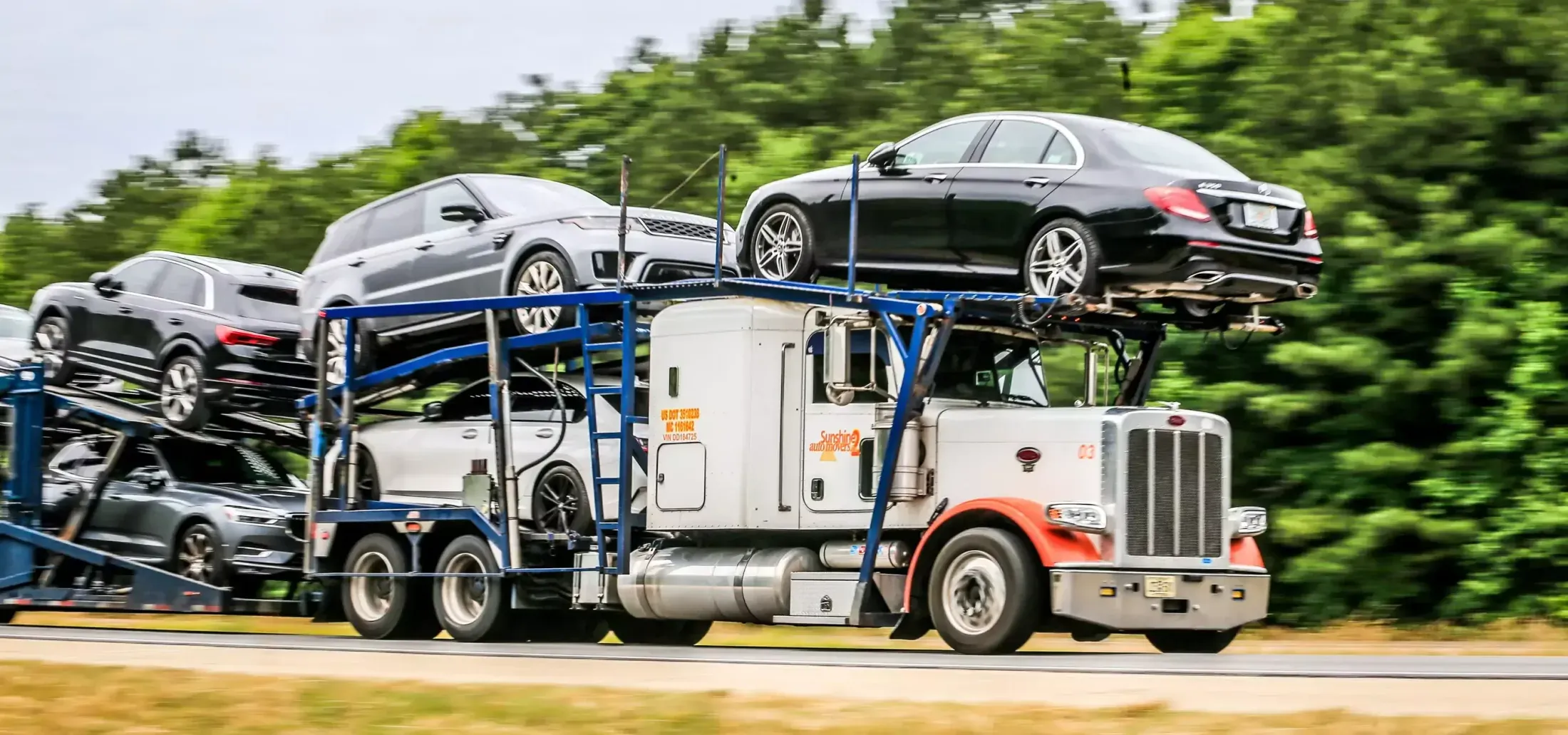
Ship a car from Florida to Texas and vice versa

Ship a car from
Florida to Texas and vice versa

Get a free instant quote in seconds or call now (708) 300-0063

4.8

148+ reviews

4.9 / A+

29+ reviews

4.7

84+ reviews

4.6

23+ reviews

Price match
Price match
More information
Full insurance coverage
Zero upfront payment
More information
Upfront payment
Insurance coverage
More information
24/7 customer support
More information

Customer experiences, in their own words:

Rated 4.8 by hundreds of satisfied shippers

Home

Florida Car Shipping

Ship a Car from Florida to Texas

Texas to Florida and Florida to Texas auto shipping services

If you ever need to ship a car from Florida to Texas, you’re looking at one of the more active long-distance routes in the country. Vehicles move between these two states every day for all sorts of reasons. Some people are relocating for work, others are moving for college, and many are simply making a lifestyle change or heading west for new opportunities.

Because demand runs in both directions, this is a well-established route. That consistency helps keep scheduling more predictable and transit times relatively steady compared to less common lanes.

For Florida to Texas auto shipping, the distance usually falls somewhere between 800 and 1200 miles, depending on your exact pick-up and delivery locations. For example, Miami to Houston is around 1180 miles, while Orlando to Dallas is closer to 1100 miles. Once your vehicle is on the carrier, transit time typically runs between 2 and 4 days, although weather, traffic, and seasonal demand can shift things slightly.

How much to ship a car from Florida to Texas can vary based on several factors. Distance, vehicle size, transport type, and timing all play a role in pricing. While this route doesn’t see the same sharp seasonal spikes as some snowbird-heavy corridors, demand can still increase during peak moving periods, which may affect rates.

The process for Florida to Texas vehicle shipping is more straightforward than most people expect. You request a quote based on your route and timing, confirm the details if it works for you, and then your vehicle is matched with a carefully vetted, licensed, and insured carrier already running that corridor. From there, everything is coordinated around your schedule.

Car transport from Florida to Texas typically follows major southern corridors such as I-10 and I-75. These are well-traveled freight routes, which help keep things efficient from pick-up through to delivery.

Average Distance, Time and Cost from Florida to Texas

Avg Distance

1,300-1,600 mi

Avg Transit Time

4-7 days

Avg Cost

$900-$1,600

* Please keep in mind that the prices are for an open car transport carrier and a small-size vehicle, and that both transit times and shipping prices shown are approximate estimates. Actual costs and delivery times may vary based on factors such as seasonal demand, fuel prices, pick-up and delivery locations, transport type, weather conditions, road conditions, carrier availability, etc.

Popular routes from Florida to Texas and from Texas to Florida

* Please keep in mind that the prices are for an open car transport carrier and a small-size vehicle, and that both transit times and shipping prices shown are approximate estimates. Actual costs and delivery times may vary based on factors such as seasonal demand, fuel prices, pick-up and delivery locations, transport type, weather conditions, road conditions, carrier availability, etc.

  1. Miami

    to Houston

    DISTANCE

    1,190 mi

    TIME EST.

    3-5 days

    PRICE EST.

    $889

    Get a Quote  (opens in new tab)
  2. Orlando

    to Houston

    DISTANCE

    960 mi

    TIME EST.

    2-3 days

    PRICE EST.

    $889

    Get a Quote  (opens in new tab)
  3. Tampa

    to Dallas

    DISTANCE

    1,030 mi

    TIME EST.

    2-4 days

    PRICE EST.

    $899

    Get a Quote  (opens in new tab)
  4. Jacksonville

    to Houston

    DISTANCE

    860 mi

    TIME EST.

    2-3 days

    PRICE EST.

    $879

    Get a Quote  (opens in new tab)
  5. Orlando

    to San Antonio

    DISTANCE

    1,100 mi

    TIME EST.

    3-5 days

    PRICE EST.

    $909
    Get a Quote  (opens in new tab)
How to find and choose the best and most reliable Florida to Texas and Texas to Florida vehicle shipping company?

How to find and choose the best and most reliable Florida to Texas and Texas to Florida vehicle shipping company?

When you’re planning car shipping from Florida to Texas, it helps to start with some basic research. A quick scan online will show you which companies are actively working this route. You can also check relocation forums, local Facebook groups, Reddit threads, or ask friends and family who’ve shipped a vehicle before. At this stage, you’re not booking anything yet; you’re simply building a shortlist of providers with experience in Florida to Texas auto shipping.

Once you’ve narrowed it down, try not to jump straight to the lowest price. First, make sure the company is properly set up for interstate transport. They should have a USDOT number you can verify, active insurance coverage, and a clear explanation of how their process works. If that information isn’t easy to find, or answers feel vague, it’s usually a sign to keep looking.

Next, take a closer look at reviews, especially from customers who’ve recently used similar routes. Star ratings only tell part of the story. What you really want are the details. Did the company communicate clearly? Were pick-up and delivery close to the expected timeframe? If something didn’t go to plan, how was it handled? Most companies will have a few negative reviews, but repeated issues are where you need to pay attention.

Once you feel confident in a company’s track record, you can start comparing pricing. If you’re wondering how much to ship a car from Florida to Texas, quotes can vary depending on distance, vehicle type, timing, and transport method. Look for clear, well-explained pricing rather than vague estimates. A reliable provider should make the process feel organized and straightforward from the beginning, not rushed or unclear.
car shipping auto transport services

Ready to ship?
Your journey starts here:

Why choose WeShipCars when shipping a car from Texas to Florida or from Florida to Texas?

If you’re planning to ship a car from Florida to Texas, you want to know your vehicle is in safe hands. That responsibility isn’t something we take lightly. At WeShipCars, everything is built around clear communication, reliable carriers, and a process that stays consistent from start to finish. Here are the standards we stick to:

Dollar icon
Zero upfront payment
Calendar icon
Free cancellations
Shield icon
Full insurance coverage
Smiley icon
Vetted car shipping experts
Badge icon
Customizable services and dedicated advisors
Profile icon
24/7 support

Hear directly from our customers

Watch and learn why shippers across the U.S. trust us for their car shipping.
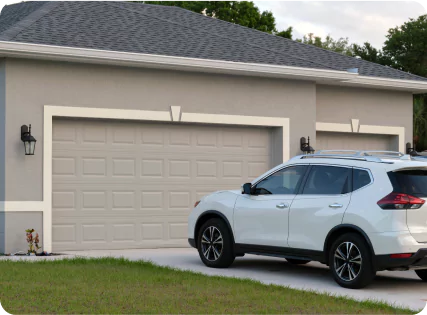
Auto transport services from Florida to Texas or vice versa

Door-to-door auto transport from Florida to Texas

Door-to-door auto transport

Door-to-door shipping is one of the easiest ways to handle Florida to Texas vehicle shipping. The carrier collects your car from the address you provide and delivers it directly to your chosen destination. That could be your home, workplace, dealership, seller’s location, or even a repair shop, depending on what works best for you.

In most cases, the truck can access the location without any issues. If local restrictions, HOA rules, or tight residential streets make access difficult, the driver will arrange a nearby meeting point. This keeps everything safe while still keeping the process simple on your end.

Open car transport

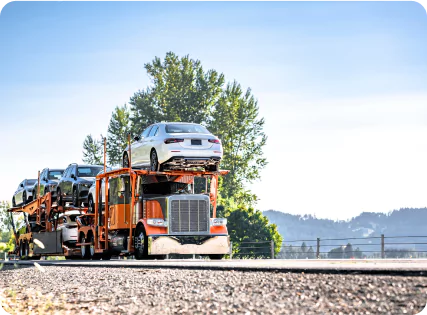
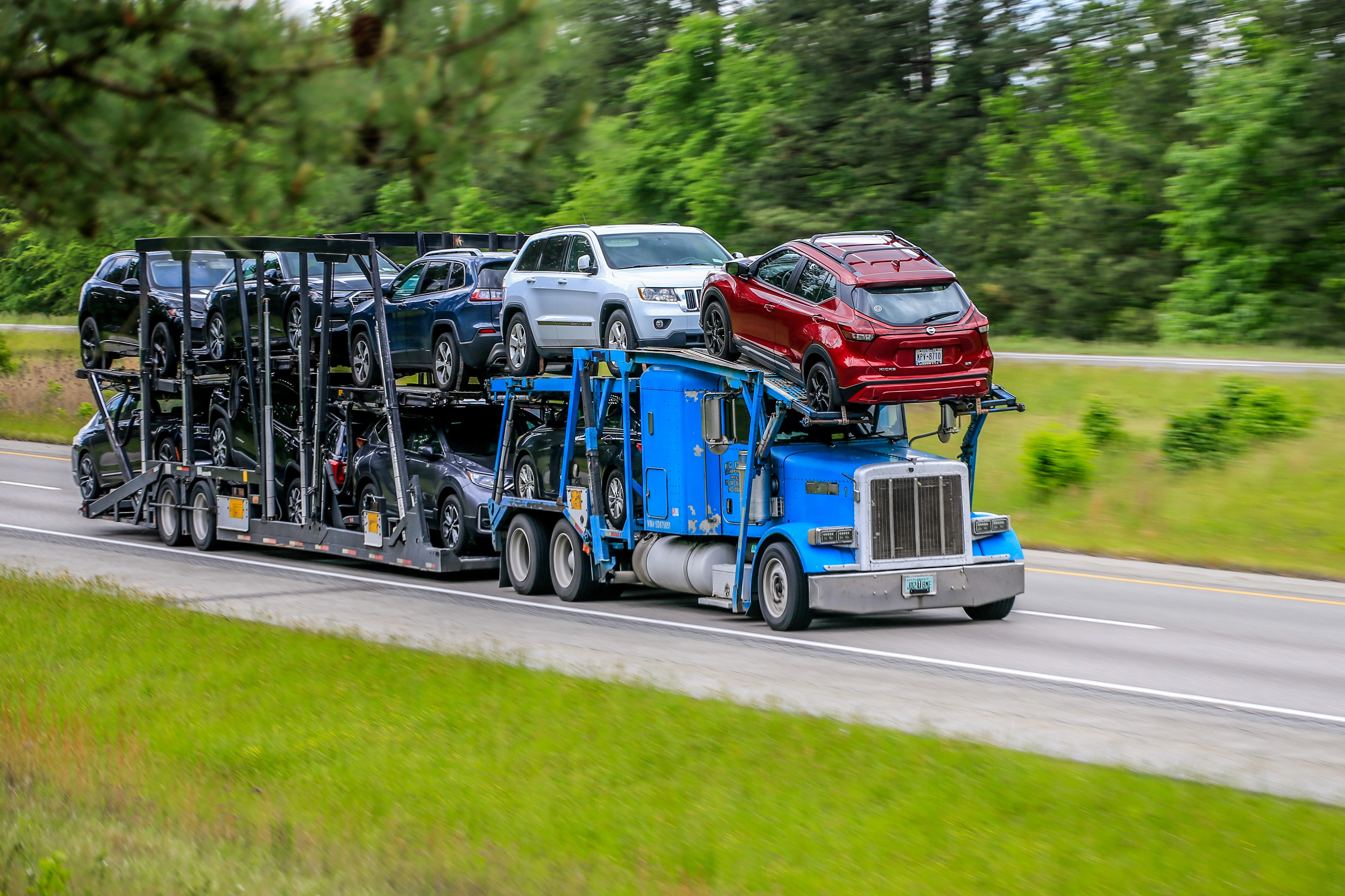
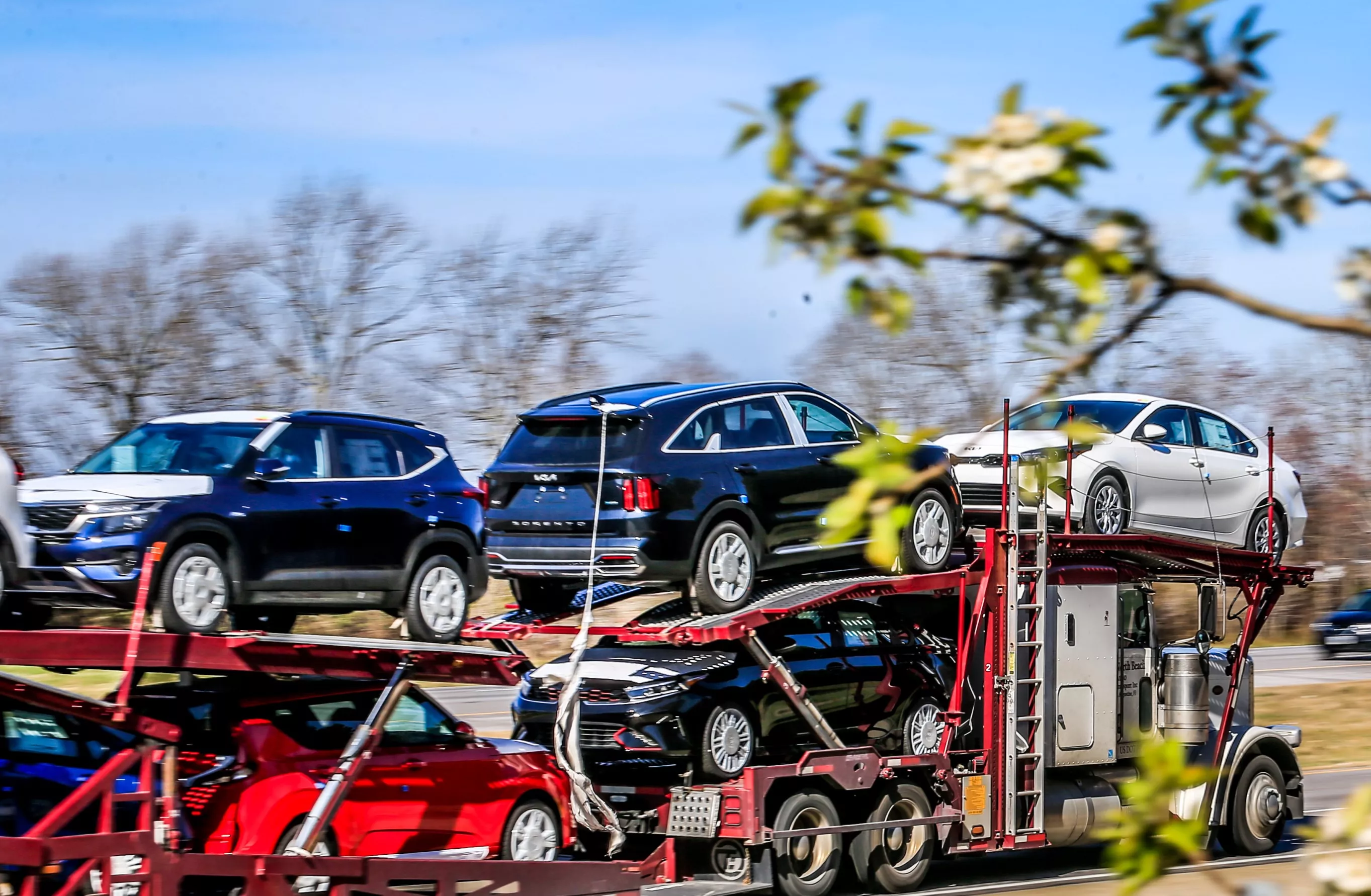
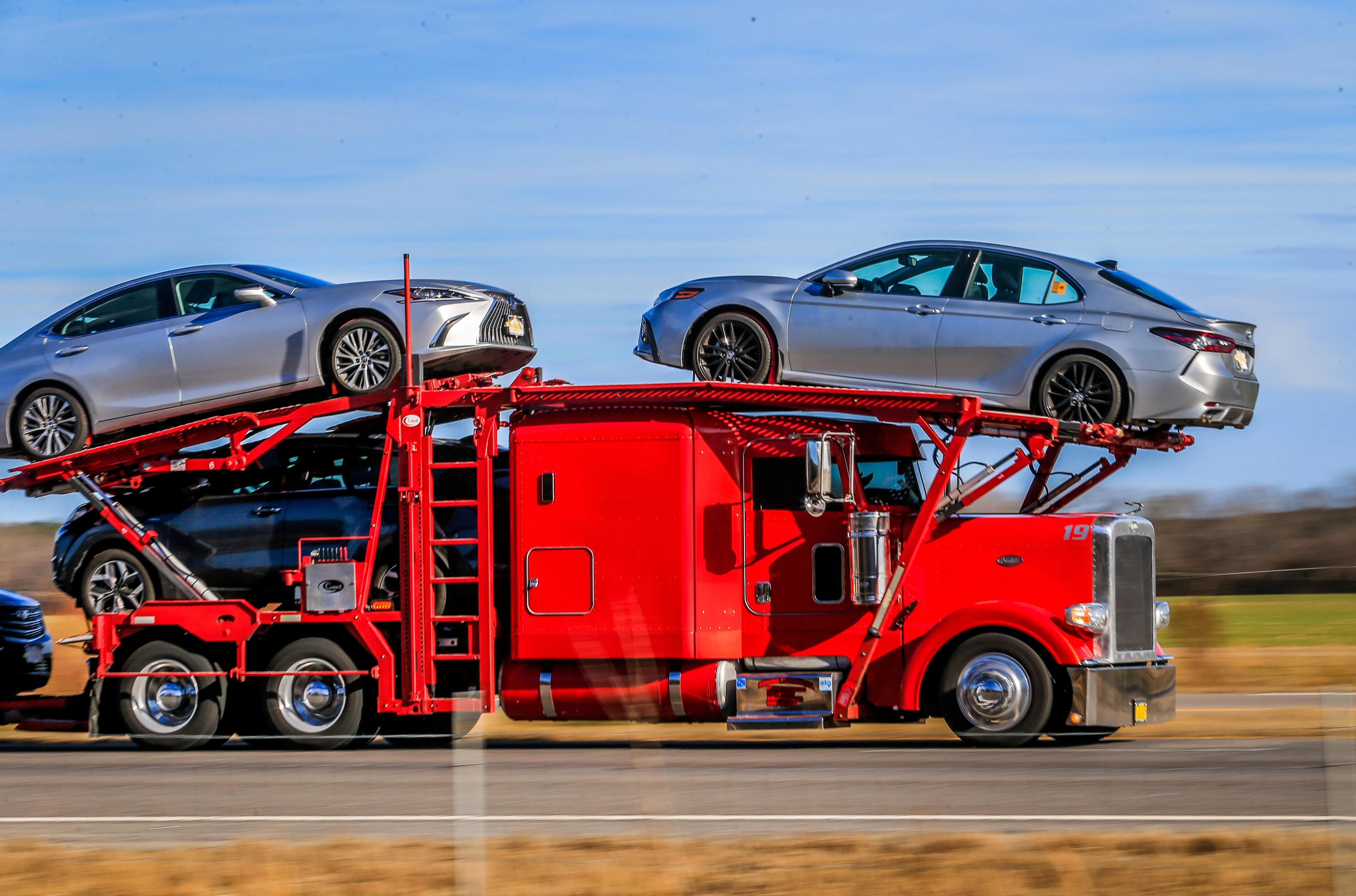
Open trailers are the most common option for car shipping from Florida to Texas. Your vehicle is secured on a professional multi-car carrier designed for long-distance transport. While the trailer is open to the elements, vehicles are positioned carefully and inspected at both pick-up and delivery.

For everyday vehicles, this remains the most widely used and cost-effective option for car transport from Florida to Texas.
Open car transport from Florida to Texas
Enclosed auto transport from Florida to Texas

Enclosed auto transport

Some vehicles need a bit more protection. For classic cars, luxury models, or specialty vehicles, enclosed trailers provide full coverage from weather and road debris. If you’re arranging Florida to Texas auto shipping for a higher-value vehicle, this option adds an extra layer of protection during transit.

Expedited auto transport

If your timing is tight, expedited service reduces the gap between booking and pick-up. Instead of entering the standard scheduling queue, your shipment is prioritized when assigning a carrier. Pick-up is usually arranged within 24 to 48 hours, depending on availability.

Transit time itself doesn’t change once the vehicle is on the road. The advantage here is getting your vehicle moving sooner.
Expedited auto transport from Florida to Texas
Guaranteed pick-up services from Florida to Texas

Guaranteed pick-up services

If you’re working with a fixed timeline, guaranteed pick-up gives you more certainty. You select a confirmed date when booking your Florida to Texas car shipping, and collection is scheduled within a defined 24-hour window.
car shipping auto transport services

Ready to ship?
Your journey starts here:

How does it work to ship a car from Texas to Florida or vice versa?

Setting up Florida to Texas car shipping isn’t complicated, but it helps to understand how it all comes together. It usually starts with a quick quote using your exact pick-up and delivery locations, along with your preferred timing. Once everything looks right and you’re ready to move forward, scheduling begins. A carrier already running that route is assigned, and a pick-up window is confirmed before your vehicle heads out.

If you’re looking into how to ship a car from Texas to Florida, the same general process applies. You provide the details, review the price, and confirm when you’re ready. From there, collection is arranged, timing is confirmed directly with the driver, and your vehicle makes its way to the delivery location without unnecessary back-and-forth:

STEP 1

Get a quote and book your order pick-up:

If you’re planning car shipping from Florida to Texas, the first step is simply working out the cost. Most people use the online car shipping cost calculator because it’s quick, but you can also call (708) 300-0063 or use live chat if you’d rather talk it through.

To generate an accurate quote, we need a few key details: where the vehicle is coming from, where it’s going, and what type of car it is. It also helps to know whether the vehicle runs and whether you prefer open or enclosed transport. The same applies when you’re arranging car shipping from Texas to Florida.

If you’re comparing how much to ship a car from Florida to Texas, you don’t have to rely on the calculator alone. You can request the same information by phone or chat and ask questions about timing, availability, or transport options before confirming anything.

Once you move ahead, scheduling begins. A licensed, vetted carrier is assigned, and a pick-up window is arranged. From that point on, everything is coordinated for you.
Get a quote and book your order pick-up
We pick up your vehicle

STEP 2

We pick up your vehicle:

After booking, the next step is collection. A licensed, insured carrier is scheduled to meet you at your chosen location, usually your home or workplace.

Before pick-up, timing is confirmed so you know when to expect the driver. On the day, they’ll typically call a few hours ahead. If you can’t be there, someone else can hand over the vehicle as long as they’re over 18.

Because car carriers can be up to 80 feet long, not every street is accessible. During car transport from Florida to Texas, things like narrow roads, low-hanging branches, or parking restrictions can sometimes require a nearby meeting point. The driver will suggest a safe, practical option if needed.

At pick-up, you and the driver complete a vehicle inspection together. Any existing marks are noted on the Bill of Lading before the car is loaded. You receive a copy for your records, which is used again at delivery.

Unlike some shorter routes, there isn’t just one fixed road used every time. For Florida to Texas vehicle transport, carriers typically rely on major southern corridors:

• I-10: The main east-west route connecting Florida directly to Texas
• I-75: Common for vehicles starting in central or western Florida
• I-45: Often used when heading into Houston
• I-35: A key route for deliveries further north, including Dallas and Austin

Having multiple route options gives drivers flexibility. Traffic, weather, and delivery sequencing can all influence the exact path taken.

STEP 3

We deliver your vehicle:

As your vehicle gets closer to its destination, the driver contacts you directly to confirm timing and access. It’s usually a quick call to make sure everything lines up for delivery.

If you can’t be there in person, someone else can receive the vehicle for you, as long as they’re over 18.

Once the carrier arrives, you and the driver carry out a final inspection. The vehicle’s condition is compared against the report completed at pick-up. This is standard practice for Florida to Texas auto shipping and helps make sure everything is documented clearly.

If there’s any remaining balance, it’s settled at delivery. Payment can be made using cash, a cashier’s check, Zelle, or CashApp. If everything has already been paid, the final step is simply signing off and handing over the keys.
We deliver your vehicle
How long does Texas to Florida vehicle shipping take?

How long does Texas to Florida vehicle shipping take?

Shipping a vehicle between Florida and Texas typically takes around 2 to 4 days once it’s loaded on the trailer. That timeline can shift slightly depending on traffic, weather, and how the driver sequences deliveries along the route. Expedited options can shorten the wait before pick-up, but the time on the road usually stays within this range.

Here are some of the main factors that influence timing for this route:

Pick-up and drop-off locations: Where your vehicle is collected and delivered makes a difference. Shipments starting near major metro areas are usually easier to schedule since carriers pass through those locations more often. More remote areas may require short detours, which can add time to your Florida to Texas vehicle shipping.

Distance traveled: Most routes between Florida and Texas fall between 800 and 1200 miles, depending on the cities involved. That distance typically supports a 2 to 4 day transit window. For example, Miami to Houston will take longer than a move between Jacksonville and Dallas.

Seasonal demand: While this route doesn’t have the same snowbird spikes as some East Coast lanes, demand can still increase during peak moving periods, especially in summer and around the end of the year. Higher demand can affect how quickly a carrier is assigned.

Weather conditions: Drivers still pass through multiple weather zones on this route. Heavy rain across the Gulf states or storms along the southern corridor can slow progress. Safety always comes first during auto transport from Florida to Texas.

Road conditions and traffic: Traffic can be unpredictable around major cities like Miami, Orlando, Houston, and Dallas. Construction zones and temporary closures can also affect timing along key routes such as I-10.

Driver regulations: Federal hours-of-service rules require drivers to take scheduled breaks. These regulations apply to every shipment and help keep Texas to Florida auto shipping consistent and compliant.

Vehicle size and condition: Standard vehicles are straightforward to transport. Larger trucks, oversized vehicles, or non-running cars can take longer to schedule because they require specific equipment or additional space on the trailer.

Transport method: Open car transport is the most common option for Florida to Texas auto shipping, largely because there are more carriers available. Enclosed auto transport from Texas to Florida offers added protection, but it can take slightly longer to arrange due to more limited availability.

Service level selected: Standard shipping works well if your dates are flexible, allowing the carrier to align your vehicle with an existing route. If timing is tighter, expedited service reduces the wait before pick-up. Guaranteed pick-up can also help lock in a specific collection window when your schedule is fixed.
Shipping FROMShipping TODistance EstimateTime EstimatePrice Estimate
Orlando, FLLos Angeles, CA2500 mi5 to 7 days$1189
Orlando, FLBoston, MA1300 mi3 to 5 days$1079
Orlando, FLChicago, IL1150 mi3 to 5 days$1029
Orlando, FLNew York City, NY1080 mi3 to 5 days$1119
Orlando, FLHouston, TX960 mi2 to 3 days$919

* Please keep in mind that the prices are for an open car transport carrier and a small-size vehicle, and that both transit times and shipping prices shown are approximate estimates. Actual costs and delivery times may vary based on factors such as seasonal demand, fuel prices, pick-up and delivery locations, transport type, weather conditions, road conditions, carrier availability, etc.

How much to ship a car from Texas to Florida and vice versa?

When you ship a car from Florida to Texas, pricing typically falls somewhere between $600 and $1200 for most standard vehicles. The exact figure depends on what you’re shipping, how quickly you need it moved, and the transport option you choose.

For example, an average sedan using open transport usually sits toward the lower end of that range. Larger SUVs, pickup trucks, or enclosed transport for higher-value vehicles will push the price higher. If you’re comparing how much to ship a car from Florida to Texas, you’ll find that rates stay fairly consistent in both directions, with occasional shifts based on demand.

Several factors influence the final car shipping cost from Texas to Florida:
How much to ship a car from Texas to Florida and vice versa?

Market demand: This is a well-travelled southern route, but demand still fluctuates. During busy moving periods, especially summer and year-end, more shipments compete for available carrier space. When that happens, pricing can increase slightly.

Truck availability: Availability changes depending on how many carriers are running Florida to Texas vehicle shipping at a given time. When more trucks are active on this corridor, pricing tends to be more flexible. Tighter availability can push rates upward.

Distances and route length: Not every move covers the same ground. A shipment from South Florida to Houston is different from one starting in northern Florida and heading to Dallas. The cost to transport a car from Texas to Florida or westbound depends partly on how easily the vehicle fits into an existing route.

Vehicle size and weight: Smaller cars are easier to position on a trailer, which helps keep costs down. Larger vehicles take up more space and add weight, which can affect both placement and pricing for car transport from Texas to Florida.

Vehicle value and condition: Higher-value vehicles are often shipped in enclosed trailers for added protection, which increases the cost. Non-running vehicles also require additional equipment for loading, which can add to the total.

Pick-up and delivery locations: Major cities along routes like I-10 are easier for carriers to access and schedule. More rural areas or locations with limited access may require small detours, which can influence pricing for auto transport from Florida to Texas.

Seasonality: While this route doesn’t follow the same snowbird pattern as some East Coast lanes, pricing can still shift during peak relocation periods. Summer tends to be busier, which can affect both cost and availability.

Fuel prices: Fuel plays a role in any long-distance route. Even moderate changes in fuel costs can influence overall pricing for Florida to Texas auto shipping.

Service level and timing: Flexible timing usually helps keep costs lower. Expedited shipping or guaranteed pick-up adds priority to your shipment, which typically increases the price.

Transport type: Open car transport is the most common and cost-effective option for shipping a car from Florida to Texas. Enclosed auto transport between Texas and Florida offers added protection from weather and road debris, but fewer enclosed carriers operate on this route, which means higher pricing and slightly less flexibility.

Discounts and savings: Some shipments may qualify for adjusted pricing. Military members, students, and customers shipping more than one vehicle at the same time can sometimes benefit from reduced rates:

Military car shipping discount
Snowbird car shipping discount
Student car shipping discount
Sunday car shipping discount
Loyalty car shipping discount
Multi-vehicle shipping discount
Shipping FROMShipping TODistance EstimateTime EstimatePrice Estimate
Los Angeles, CAHouston, TX1540 mi4 to 6 days$1169
Orlando, FLHouston, TX960 mi2 to 3 days$919
Chicago, ILHouston, TX1080 mi3 to 5 days$839
New York City, NYHouston, TX1620 mi4 to 6 days$1119
Boston, MAHouston, TX1840 mi4 to 6 days$1139

* Please keep in mind that the prices are for an open car transport carrier and a small-size vehicle, and that both transit times and shipping prices shown are approximate estimates. Actual costs and delivery times may vary based on factors such as seasonal demand, fuel prices, pick-up and delivery locations, transport type, weather conditions, road conditions, carrier availability, etc.

car shipping auto transport services

Ready to ship?
Your journey starts here:

Useful information about shipping a car from Florida to Texas and vice versa

Peak moving seasons require earlier booking: If you’re planning Florida to Texas auto shipping during the summer or around the end of the year, it’s worth booking earlier than you think. These are busy periods for relocations, and demand can build quickly. Waiting too long doesn’t just affect price; it can also limit your available pick-up window.

College and relocation timing: Both Florida and Texas have large student populations and active rental markets. Late summer, especially August and early September, tends to bring increased demand around college towns. Spring can also be busy with lease turnover. If you’re arranging car shipping from Florida to Texas during these periods, giving yourself extra time makes scheduling easier.

Heat, dust, and vehicle prep: Vehicles leaving Florida may carry sand or coastal residue, while cars coming from Texas can pick up dust or road grime, especially in drier regions. A quick wash before pick-up helps make the inspection clearer and avoids confusion at delivery during Florida to Texas vehicle shipping.

Gated communities and access: Some residential areas, particularly in parts of Florida, have gated access, HOA rules, or restricted entry for large trucks. If your vehicle is being picked up from one of these locations, it’s worth checking access in advance. If the carrier can’t enter directly, arranging a nearby meeting point usually keeps everything straightforward.

Weather and seasonal conditions: This route doesn’t deal with snow, but weather can still play a role. Heavy rain across the Gulf states, strong winds, or storms can occasionally slow things down. Drivers monitor conditions closely and adjust when needed. It doesn’t stop shipments, but timing can shift slightly when safety comes first.
Useful information about shipping a car from Florida to Texas and vice versa
What is door-to-door Florida to Texas auto shipping?

What is door-to-door Florida to Texas auto shipping?

Door-to-door service is one of the simplest ways to handle Florida to Texas vehicle transport. Your vehicle is collected from a specified address and delivered to another, whether that’s your home, workplace, dealership, or another agreed location.

In most cases, carriers can access both locations without issue. If not, due to tight streets, low branches, or local restrictions, the driver will arrange a nearby meeting point. It’s a small adjustment that keeps the process running smoothly without adding unnecessary steps.

Factors affecting the cost and time to ship a car from Florida to Texas and from Texas to Florida

Direction of travel: This route doesn’t follow the same seasonal pattern as East Coast lanes, but demand can still shift depending on the time of year. Summer tends to be busier for westbound moves, while return trips may see different levels of availability. These changes can influence how quickly a carrier is assigned for car shipping from Texas to Florida or westbound shipments.

Urban vs. suburban access: Shipping between major metro areas isn’t the same as moving between smaller towns. Pick-ups in dense parts of Miami or deliveries into busy areas of Houston or Dallas can take longer to coordinate. Limited truck access doesn’t stop car transport from Texas to Florida, but it can affect scheduling windows.

Multi-vehicle loads: Carriers operate on full loads, not single vehicles. Your car is scheduled alongside others heading in the same direction. If a truck already has space available, placement happens quickly. If not, there may be a short wait until routing lines up efficiently for auto transport from Florida to Texas.

Seasonal demand: This is a steady route, but demand still increases during peak moving periods, especially in the summer and year-end. During these times, scheduling for Florida to Texas auto shipping may take slightly longer, and pricing can shift as more customers compete for available space.

Transport method: Open car transport is the most common option and is generally easier to schedule. Enclosed auto transport from Florida to Texas is available but in smaller numbers, which can affect both cost and timing for Florida to Texas vehicle transport.

Timeline flexibility: The more flexible your pick-up window, the easier it is to match your vehicle with an available carrier. Fixed dates or expedited requests can reduce waiting time, but they may increase the overall rate.

Vehicle size and condition: Standard vehicles are usually straightforward to ship. Larger trucks, modified vehicles, or non-running cars require additional space or equipment, which can influence how shipping a car from Florida to Texas is arranged.
Factors affecting the cost and time to ship a car from Florida to Texas and from Texas to Florida
How to save on car shipping from Florida to Texas and from Texas to Florida?

How to save on car shipping from Florida to Texas and from Texas to Florida?

If you’re comparing quotes and looking closely at the cost to ship a car from Florida to Texas, a few small choices can make a noticeable difference.

Be flexible with your timing: A little flexibility goes a long way. If your pick-up date isn’t tied to a specific day, it’s easier to match your vehicle with an existing load. That usually helps reduce the overall cost of Florida to Texas auto shipping.

Choose open car transport if your vehicle allows: Open trailers are the most common option on this route and typically the most affordable. For standard vehicles, this keeps car shipping from Florida to Texas more cost-effective than enclosed auto transport, which is available in smaller numbers.

Use accessible pick-up and delivery locations: Meeting in areas that are easy for large trucks to access helps avoid detours. Locations near major highways like I-10 are easier for carriers to work into their routes, which can help lower the price of auto transport from Florida to Texas.

Plan around peak moving periods: Summer and year-end tend to be busier for relocations. If you can schedule outside of those windows, pricing for Florida to Texas vehicle shipping is often steadier and sometimes lower.

Book in advance: Last-minute bookings can limit your options. Planning ahead gives more time to secure a competitive rate for car transport from Florida to Texas instead of paying more for urgent scheduling.

Ask about discounts: If you’re concerned about how much to ship a car from Florida to Texas, it’s worth asking about available discounts. Military members, students, and customers shipping multiple vehicles may qualify for reduced rates.

How to prepare your vehicle for car transport from Florida to Texas and vice versa?

Check mark

Give the car a quick clean and once-over:

Before your vehicle is picked up, it’s worth giving it a wash and a quick check. A clean surface makes it much easier to spot any existing marks, which are noted during the inspection at collection. Taking a few minutes to look over the car yourself helps avoid any uncertainty later on.

Check mark

Clear out anything inside the vehicle:

It’s best to empty the car before transport. Items left inside aren’t covered by carrier insurance, and they can move around while the vehicle is in transit. That includes everyday things like chargers, sunglasses, or paperwork, as well as anything loose in the trunk. Exterior add-ons should either be secured properly or removed.

Check mark

Make sure the vehicle can be handled safely:

In most cases, the car should be able to roll, steer, and brake without issue. If it’s not running, that’s still workable, but it needs to be mentioned ahead of time so the right loading equipment can be arranged. That way, there are no surprises on pick-up day.

Check mark

Keep fuel or charge levels sensible:

There’s no need to fill the tank. Around a quarter tank is enough for loading and unloading. For electric vehicles, a partial charge is usually recommended so the car can be moved easily if needed during Florida to Texas vehicle shipping.

Check mark

Sort out keys and handover in advance:

A working set of keys needs to be ready when the driver arrives. If you’re not available yourself, someone else can step in to release the vehicle. As long as they’re over 18, they can handle the inspection and paperwork on your behalf.

car shipping auto transport services

Ready to ship?
Your journey starts here:

Top 5 reasons why it’s better to ship rather than drive your car from Florida to Texas and from Texas to Florida

1. You get your time back: Driving from Florida to Texas sounds manageable until you actually break it down. You’re looking at 12 to 18 hours on the road, depending on the route, usually spread over a couple of days. That’s time spent navigating highways, stopping overnight, and working around traffic. When you ship a car from Florida to Texas, your vehicle moves while you focus on getting where you need to be.

2. It’s a much easier experience overall: Long-distance driving isn’t just about distance, it’s the mental side of it too. Staying alert for hours, dealing with traffic around cities like Houston or Orlando, and pushing through long stretches of highway can wear you down quickly. Letting a carrier handle the trip removes that pressure completely.

3. The cost gap isn’t always what you expect: Fuel is only part of the equation. Once you add in a hotel stay, meals, tolls, and the likelihood of some wear on the car, the total starts creeping up. When people compare that with the cost to transport a car from Texas to Florida, the difference often ends up being smaller than expected, especially if time off work is part of the equation.

4. You avoid unnecessary exposure to the road: Driving across multiple states means dealing with whatever conditions come your way. That could be heavy rain along the Gulf, strong winds, or just long hours in unpredictable traffic. With Florida to Texas auto shipping, your vehicle is transported without being exposed to those day-to-day driving risks.

5. It keeps extra miles off your car: A trip like this can easily add close to 1000 miles or more in a short space of time. If you’re trying to preserve the condition of your vehicle or protect resale value, avoiding that kind of mileage can make a real difference over time.
Top 5 reasons why it’s better to ship rather than drive your car from Florida to Texas and from Texas to Florida

Driving vs. Shipping: What It Would Cost to Drive from Florida to Texas

City, StateRoute UsedDistance EstimateTime EstimateGas Estimate
Miami, FLMiami, FL → Houston, TX1,190 mi17 hrs (~3 days)$190
Orlando, FLOrlando, FL → Houston, TX960 mi14 hrs (~2 days)$154
Tampa, FLTampa, FL → Dallas, TX1,030 mi15 hrs (~3 days)$165
Jacksonville, FLJacksonville, FL → Houston, TX860 mi12 hrs (~2 days)$138
Orlando, FLOrlando, FL → San Antonio, TX1,100 mi16 hrs (~3 days)$176
Miami, FLMiami, FL → Dallas, TX1,310 mi19 hrs (~3 days)$210
Tampa, FLTampa, FL → Austin, TX1,050 mi15 hrs (~3 days)$168
Fort Lauderdale, FLFort Lauderdale, FL → Houston, TX1,190 mi17 hrs (~3 days)$190
Houston, FLHouston, FL → Miami, TX1,190 mi17 hrs (~3 days)$190
Houston, FLHouston, FL → Orlando, TX960 mi14 hrs (~2 days)$154

* Please note that the distances, transit times, and fuel savings presented are approximate estimates. Fuel savings are calculated using an average U.S. gas price of $4 per gallon as of April 2026, along with an assumed daily driving range of up to 500 miles at an average speed of 70 mph. Actual results may vary depending on factors such as the specific route taken, vehicle fuel efficiency, current fuel prices, traffic patterns, road conditions, weather, and other variables.

Seasonal Road Weather Impact: Florida to Texas

SeasonWeather (Origin)Weather (Destination)Road ConditionsShipping Impact
Spring (Mar–May)Warm & humid, afternoon stormsWarm, severe storms & tornadoesFlorida: Good; brief heavy downpours reduce visibility. Texas: Flash flooding risk on low-water crossingsPossible delays
Summer (Jun–Aug)Hot & humid, daily thunderstormsVery hot, 95-110°FFlorida: Flash flooding risk; hurricane season begins June. Texas: Good; heat advisories in West TexasPossible delays
Fall (Sep–Nov)Peak hurricane season (Aug–Oct)Warm, hurricane season (Gulf Coast)Florida: Storm-related road closures & evacuation routes possible. Texas: Possible coastal flooding & evacuation routesPossible delays
Winter (Dec–Feb)Mild & dry, 60-75°FMild south, ice storms northFlorida: Best driving conditions; high snowbird traffic. Texas: Occasional ice on I-35/I-20 in north TexasPossible delays

Car shipping areas we serve in Florida

Car shipping areas we serve in Texas

Top 5 things to know when moving from FL to TX and TX to FL

Top 5 things to know when moving from FL to TX and TX to FL

1. Registration timelines come up fast: Once you’ve settled in Texas, you don’t get much time to sort your paperwork. New residents are typically expected to title and register their vehicle within 30 days. Florida works in a similar way, but the process itself is a bit simpler. In Texas, you’ll also need to factor in inspections before registration is finalized, which can catch people off guard if they’re not expecting it.

2. Insurance isn’t a straight transfer: Moving between states usually means updating your policy, not just your address. Coverage requirements and pricing can differ quite a bit. What worked in Florida may not meet Texas minimums, so it’s worth reviewing your policy early rather than leaving it until after the move.

3. Inspection rules are different: Florida keeps things relatively simple, with no statewide emissions testing. Texas, on the other hand, requires vehicle inspections, although the exact requirements can vary depending on the county. It’s one of those small details that can slow things down if you don’t plan for it ahead of time.

4. Delivery locations aren’t always exact: In larger cities like Houston, Dallas, or even parts of Miami, getting a full-size transport truck right outside your door isn’t always possible. Traffic, narrow streets, and local restrictions can mean meeting the driver nearby instead. It’s usually a short adjustment, but it helps to expect it.

5. The climate shift affects your car: Florida’s humidity and coastal conditions are very different from the heat you’ll find in many parts of Texas. Long, hot summers can put more strain on cooling systems, tyres, and batteries. A quick check after your move helps make sure everything is ready for the change in conditions.

Top 5 useful websites for Florida

Texas Department of Motor Vehicles (TxDMV): Your go-to for registration, titling, and residency requirements once you arrive.

Texas Department of Public Safety (DPS): Covers driver licensing, vehicle inspections, and general compliance requirements.

Texas Department of Transportation (TxDOT): Provides road conditions, construction updates, and travel alerts across the state.

NTTA: Texas uses multiple toll systems depending on the region, so setting up the right account early can save time and hassle.

Houston Chronicle: Useful for keeping up with traffic changes, weather conditions, and regional updates that might affect daily driving.
Top 5 useful websites for Florida
Top 5 useful websites for Texas

Top 5 useful websites for Texas

Florida Department of Highway Safety and Motor Vehicles (FLHSMV): Handles registration, titling, and residency requirements.

Florida Department of Transportation (FDOT): Offers statewide traffic updates, road conditions, and construction alerts.

SunPass: Florida’s toll system, useful for managing or transferring your account.

Florida Department of Environmental Protection: Provides updates on coastal conditions and environmental factors that can affect certain areas.

Miami Herald: Helpful for regional traffic updates, weather developments, and local infrastructure changes.

Frequently Asked Questions

How much does it cost to transport a car from Texas to Florida?

For most standard vehicles, pricing usually lands somewhere between $600 and $1200. Smaller cars on open trailers tend to sit at the lower end, while larger vehicles or enclosed transport will increase the total. If you're trying to figure out how much to ship a car from Florida to Texas, the quickest way to get an accurate number is to request a quote based on your exact locations and timing.

What's the cheapest way to handle car shipping from Florida to Texas?

Open transport is typically the most affordable option. There are more open carriers running this route, which helps keep pricing competitive. If your schedule allows for a bit of flexibility, that can also help reduce the overall cost.

How long does Florida to Texas auto shipping usually take?

Once your vehicle is on the truck, transit time is usually around 2 to 4 days. Traffic, weather, and delivery sequencing can affect timing slightly, but most shipments fall within that window. Expedited options mainly reduce the wait before pick-up rather than the time spent on the road.

How do I know I'm choosing a reliable company?

Start by checking that the company is registered with the FMCSA and carries proper insurance. Beyond that, look at recent customer feedback. If a quote looks significantly lower than others for the same route, it's worth asking a few extra questions before committing.

Can I track my car while it's being transported?

Yes, updates are usually available throughout the journey. Some customers prefer regular check-ins, while others are happy to wait for delivery confirmation. Either way, you won't be left wondering where your vehicle is.

Is door-to-door shipping actually door-to-door?

In most cases, it is. The carrier will pick up and deliver your vehicle as close as possible to your chosen addresses. If access is limited, you'll agree on a nearby meeting point that works safely for both sides.

What's the difference between open and enclosed transport?

Open transport is the standard option and what most vehicles use. You've probably seen these trailers carrying multiple cars on the highway. Enclosed transport places the vehicle inside a covered trailer, offering more protection. It's usually chosen for classic, luxury, or higher-value vehicles.

What's included in the quote I receive?

Your quote typically reflects the full transport cost, including the carrier's rate, fuel, and insurance coverage during transit. It's based on your route, vehicle type, and timing, so any changes to those details can affect the final price.

How do I pay for Florida to Texas vehicle shipping?

Payment is usually split into two parts. Once a carrier is assigned, you'll have options such as Zelle, CashApp, cash, or a cashier's check for the remaining balance at delivery.

Is my vehicle insured during transport?

Yes. All licensed carriers are required to carry cargo insurance, which covers your vehicle while it's in transit. This coverage is already included in your quote.

Is it cheaper to drive instead of shipping my car?

At first glance, driving might seem like the cheaper option. But when you add fuel, hotel stays, meals, and the extra mileage on your car, the difference often narrows. For many people, shipping ends up being a more practical choice overall.

Can I leave personal items inside the car?

It's best to remove them. Personal belongings aren't covered by carrier insurance, and loose items can move during transit. Some carriers allow a small amount of weight in the trunk, but it's always worth confirming in advance.

When is the busiest time for this route?

Demand tends to increase during the summer and around the end of the year, when more people are relocating. Outside those periods, scheduling is usually more flexible.

How far in advance should I book?

Booking one to three weeks ahead of your preferred pick-up date usually gives you the best balance of price and availability. Last-minute bookings are possible, but options can be more limited.

Do I need to be present at pick-up and delivery?

It's recommended, since someone needs to inspect the vehicle and sign the paperwork. If you can't be there, another adult can handle it for you as long as they're over 18.

What types of vehicles can be shipped?

Most cars, SUVs, and light trucks are transported without any issues. Non-running vehicles and specialty cars can also be moved, as long as those details are shared in advance.

States

WeShipCars logo

Get a free, instant quote today and see how easy and affordable auto transport can be with WeShipCars.