Will definitely use again!
I was very pleased with there service. They slowed up and delivered me car when they said they would. Will definitely use again.

Get a free instant quote in seconds or call now (708) 300-0063
Rated 4.8 by hundreds of satisfied shippers
I was very pleased with there service. They slowed up and delivered me car when they said they would. Will definitely use again.
The process from start to finish was straightforward and stress-free. Communication was clear and consistent, and I was kept informed throughout the transport.
I needed to move a car from New Hampshire to Florida. I used WeShipCars and setting the transport up was simple. WeShipCars is a good, reliable service and I would recommend it.
My car was delivered relatively quickly and the whole process was very smooth, highly recommend!
I've shipped multiple cars with WeShipCars. It's usually Cadillac Escalades, and I did a couple Corvettes with them as well. They're great at what they do.
Everything was really smooth, the driver communicated efficiently and effectively
Great and fast service. Vehicle was picked up and delivered within the scheduled time. Actually it was faster than what I thought.
I use this company as a dealership employee who ships out about 5 cars per month to different areas of the country. This company is always consistent, and does great work!
Great work! Car arrived safely. Highly recommend.
Fantastic experience shipping a Porsche with WeShipCars, the shipment went well, timing was great, car was immaculate when it arrived on time.
Great price and great experience! The drive is very professional.
WeShipCars was good and I would recommend them. We used them to ship my son's Honda when he went to college in California. Everything went so smoothly and the price was fair as well.
Very good all around... prompt scheduling.. I like the services 100%
This is my second NSX T shipped with WeShipCars. Cars showed up just like when they were picked up with zero damage. Highly recommended. Will definitely used them again!
Great price, very quick responses and communication. Will definitely be using again if the need comes up
Excellent service, delivered as promised.
I shipped a car with these guys and it went very well!. Their driver was careful and professional. Highly recommended!
We appreciate the service very much, and the professionalism was perfect from top bottom. Thanks!
Important advantages that make us the preferred choice for anyone looking for clear pricing, managed, reliable, and fully insured Memphis auto transport:
Auto transport management company
Shipping a car may seem challenging at first, especially when you’re planning Memphis car shipping and need the details handled without unnecessary stress. With us by your side, the process stays simple from the first quote to final delivery. We’re an auto transport management company that makes auto transport easier by managing your booking, pick-up, transport updates, and delivery in one clear process.
Fair market pricing
Our pricing reflects the real cost of car transport to and from Memphis based on current market demand and truck availability for your route. We help you avoid low quotes that may look good at first, but change once additional fees are added. You get competitive pricing built around real transport conditions, not guesswork.
Guaranteed pick-up & expedited shipment
When your vehicle needs to be collected on a certain date, guaranteed pick-up helps secure the timing you need. Expedited car shipping is available for shorter schedules and can prioritize your shipment so your vehicle is assigned and collected within 1-2 business days. It’s a practical option when auto transport to and from Memphis needs to move quickly.
Full insurance coverage
During Memphis car shipping, your vehicle is supported by a structured protection process. This includes full insurance documentation, detailed pick-up and delivery inspections, inspection records, and support if coverage questions come up.


STEP 1


STEP 2
STEP 3


| Shipping FROM | Shipping TO | Distance Estimate | Time Estimate | Price Estimate |
|---|---|---|---|---|
| Memphis, TN | Chicago, IL | 530 mi | 2 to 3 days | $699 |
| Memphis, TN | Las Vegas, NV | 1580 mi | 4 to 6 days | $1279 |
| Memphis, TN | New York, NY | 1100 mi | 3 to 5 days | $939 |
| Memphis, TN | Los Angeles, CA | 1800 mi | 4 to 6 days | $1279 |
| Memphis, TN | San Diego, CA | 1780 mi | 4 to 6 days | $1339 |
* Please keep in mind that the prices are for an open car transport carrier and a small-size vehicle, and that both transit times and shipping prices shown are approximate estimates. Actual costs and delivery times may vary based on factors such as seasonal demand, fuel prices, pick-up and delivery locations, transport type, weather conditions, road conditions, carrier availability, etc.

| Shipping FROM | Shipping TO | Distance Estimate | Time Estimate | Price Estimate |
|---|---|---|---|---|
| Chicago, IL | Memphis, TN | 530 mi | 2 to 3 days | $609 |
| Las Vegas, NV | Memphis, TN | 1580 mi | 4 to 6 days | $1279 |
| New York, NY | Memphis, TN | 1100 mi | 3 to 5 days | $949 |
| Los Angeles, CA | Memphis, TN | 1800 mi | 4 to 6 days | $1219 |
| San Diego, CA | Memphis, TN | 1780 mi | 4 to 6 days | $1229 |
* Please keep in mind that the prices are for an open car transport carrier and a small-size vehicle, and that both transit times and shipping prices shown are approximate estimates. Actual costs and delivery times may vary based on factors such as seasonal demand, fuel prices, pick-up and delivery locations, transport type, weather conditions, road conditions, carrier availability, etc.

Added Memphis car shipping features designed to make your experience more affordable, tailored, safer, supported, and informed:

You pay nothing before a truck is assigned to your shipment. You can start your Memphis auto transport booking without paying too early, while we continue moving your order forward.
Plans can shift when moving dates, work schedules, vehicle purchases, travel plans, or delivery timing change. You can cancel for free before a truck is assigned, giving you flexibility when arranging Memphis car transport.
We work with licensed and insured carriers reviewed through USDOT and FMCSA records, official ratings, and previous performance with us. This helps us connect your shipment with dependable auto transport companies in Memphis that understand local routes, residential pick-ups, dealership locations, regional access, and long-distance transport.
You’ll receive updates as your shipment moves through scheduling, pick-up, transit, and delivery. During car transport service in Memphis, our team keeps communication clear so you know when collection is expected, how the transport is progressing, and when delivery is likely.
We offer fully customizable car transport and can tailor your Memphis auto transport to meet your needs. Expedited auto transport is available for last-minute arrangements, and guaranteed pick-up is available when your car must be collected on a specific date. Discuss your requirements with us, and we’ll make the necessary arrangements.
Questions can come up before booking, while preparing for pick-up, during transport, or close to delivery. Our dedicated car shipping experts are available 24/7 to help with your booking, explain your options, and keep you updated on the progress of your car transportation to and from Memphis.
Watch and learn why shippers across the U.S. trust us for their car shipping.
WeShipCars has an auto transport service that accommodates almost any vehicle, destination, and preferences
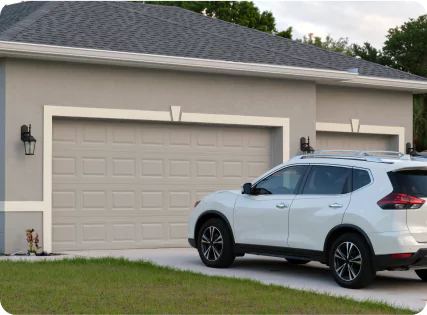

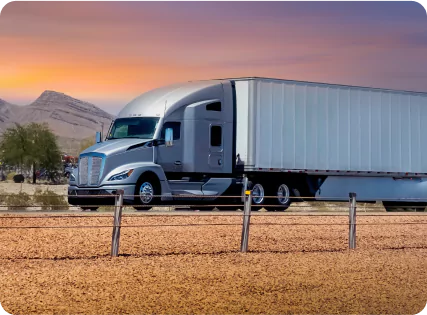

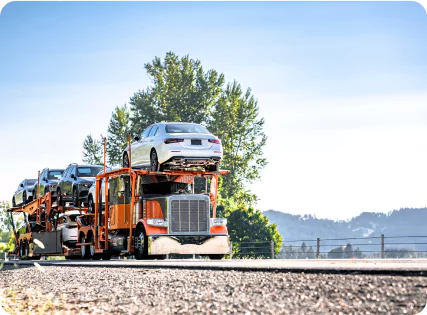


Preparing your vehicle properly makes your Memphis auto transport smoother and helps protect your car during its journey. A few simple steps before pick-up keep everything organized and efficient.
Follow these tips to get your car ready for vehicle shipping to or from Memphis, TN:

Wash the exterior so the driver can clearly inspect and note any existing scratches or dents on the Bill of Lading.
Remove anything inside the car that could shift during transit. Carriers do not insure personal belongings.
Ensure tires are properly inflated, and brakes work well to allow for safe loading and unloading.
Top off essential fluids and repair any leaks. Vehicles with clear mechanical issues may be declined until repaired.
A small amount of fuel keeps the vehicle lighter and safer for transport.
Turn off alarms and remove toll tags to prevent accidental activation during transport.
Take clear, dated photos from multiple angles before pick-up.
Remove items such as roof racks, spoilers, and antennas to avoid damage during the journey.
Preparing ahead of time makes it easier for carriers to load and deliver your vehicle quickly and safely.
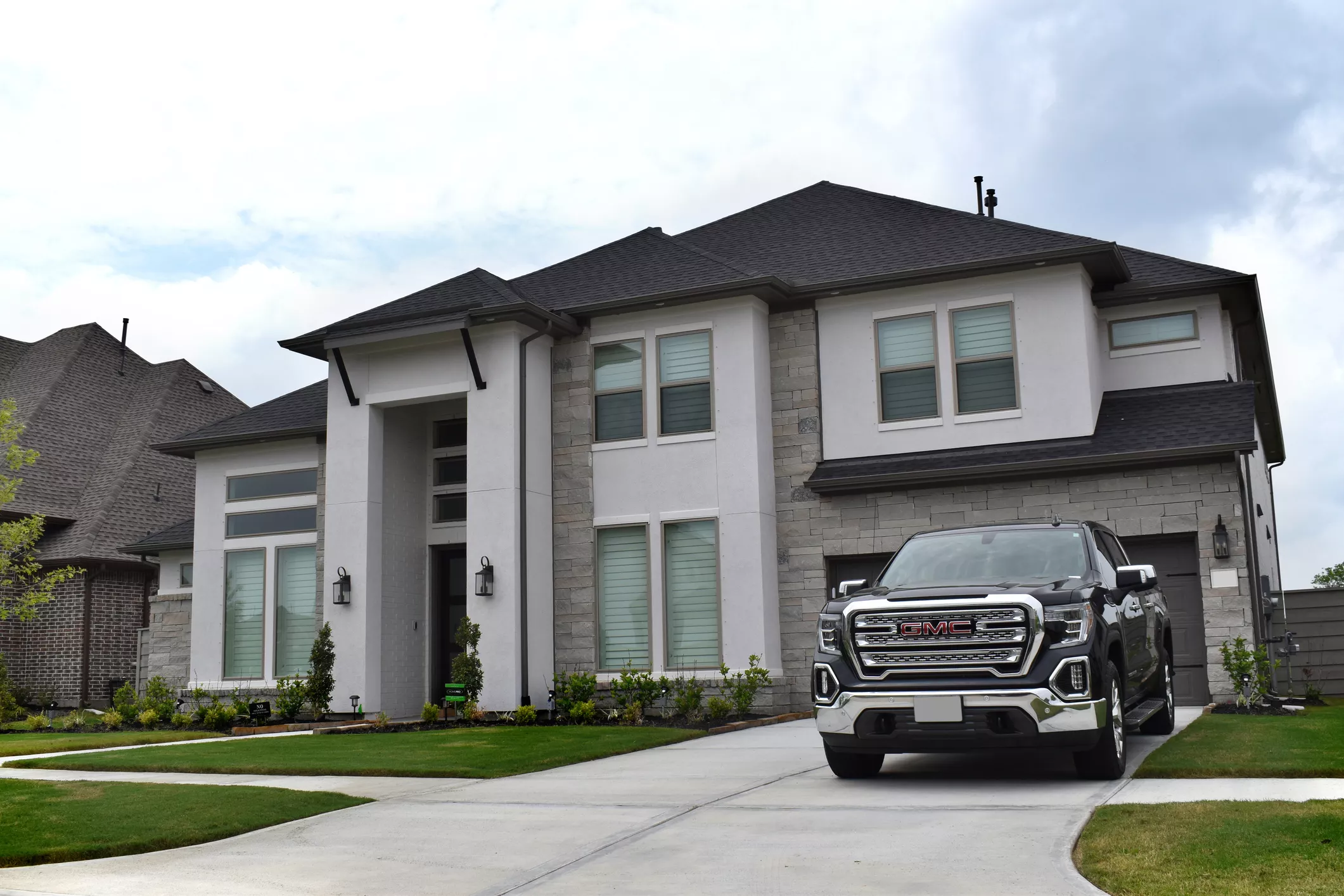
We provide car shipping services across all ZIP code areas in Memphis, Tennessee, as well as nearby suburbs and surrounding communities. Wherever you’re located, our Memphis car transport team can safely pick up or deliver your vehicle.
WeShipCars also offers nationwide coverage, so you can arrange car transport service to and from Memphis, TN, for any destination in the United States. Whether your vehicle is heading out of the city or coming back home, we coordinate everything from scheduling to final delivery.
For details on pricing, estimated delivery timelines, or availability in your specific ZIP code, contact our team for assistance.
38103
Downtown Memphis
38103
Beale Street Area
38103
South Main Arts District
38103
Pinch District
38104
Midtown
38104
Overton Square
38104
Cooper-Young
38107
Vollintine-Evergreen
38104
Medical District
38107
Crosstown
38127
North Memphis
38127
Klondike
38127
Frayser
38126
South Memphis
38126
Soulsville
38116
Whitehaven
38117
East Memphis
38117
Colonial Acres
38117
Sea Isle Park
38115
Hickory Hill
38118
Parkway Village
38128
Raleigh
38134
Bartlett Area (Memphis section)
38118
Memphis International Airport Area


If you’re buying a new or pre-owned vehicle from a dealership in Memphis or completing an online purchase, WeShipCars can help with fast and reliable delivery. We coordinate pick-up directly from the dealer and arrange secure transport to your home or any address nationwide.
| Name | Address | Phone |
|---|---|---|
| Wolfchase Toyota | 2201 N Germantown Pkwy, Cordova, TN 38016 | (901) 457-4392 |
| Gossett Kia Covington Pike | 1900 Covington Pike, Memphis, TN 38128 | (901) 328-8186 |
| Gossett Hyundai South (Mt. Moriah) | 2660 Mt Moriah Rd, Memphis, TN 38115 | (901) 473-6211 |
| Jim Keras Chevrolet | 2000 Covington Pike, Memphis, TN 38128 | (901) 387-2000 |
| Gossett Chrysler Dodge Jeep RAM FIAT | 1901 Covington Pike, Memphis, TN 38128 | (901) 203-5294 |
| Gossett Volkswagen | 1875 Covington Pike, Memphis, TN 38128 | (901) 388-8989 |
| Gossett Hyundai Covington Pike | 1870 Covington Pike, Memphis, TN 38128 | (901) 388-8989 |
| Gossett Kia South (Mt. Moriah) | 2680 Mt Moriah Rd, Memphis, TN 38115 | (901) 473-6211 |
| City Auto Memphis | 4932 Elmore Rd, Memphis, TN 38128 | (901) 388-2277 |
| Chuck Hutton Chevrolet | 1850 Covington Pike, Memphis, TN 38128 | (901) 372-3900 |
* The information provided in this table is for general reference only. While we strive for accuracy, details such as names, locations, status, and contact information may change. Please verify all information directly with the respective businesses or organizations.
Purchasing a vehicle at a Memphis auto auction or winning an online auction listing is exciting, and we handle the transport from there. Our team arranges safe vehicle pick-up at the auction site and organizes delivery to your preferred location anywhere in the country.
| Name | Address | Phone |
|---|---|---|
| IAA Memphis (Insurance Auto Auctions) | 3033 Fite Rd, Millington, TN 38053 | (901) 876-0500 |
| Copart Memphis | 3800 Old Getwell Rd, Memphis, TN 38118 | (901) 398-8989 |
| ADESA Memphis | 5400 Getwell Rd, Memphis, TN 38118 | (901) 365-6300 |
| Dealers Auto Auction of Memphis (DAA Memphis) | 2560 Rental Rd, Memphis, TN 38118 | (901) 480-4250 |
| United Auto Exchange Memphis | 3710 Prescott Rd, Memphis, TN 38118 | (901) 795-7634 |
| City of Memphis Vehicle Storage Auction (Venture Auctions) | 465 Klinke Ave, Memphis, TN 38127 | (901) 636-3190 |
| SCA Auctions (IAA Broker - NOT separate location) | Uses IAA Memphis facility at 3033 Fite Rd | (888) 364-7184 |
| A Better Bid (Copart Broker - NOT separate location) | Uses Copart Memphis facility | (877) 224-3370 |
| AutoBidMaster (Copart Broker - NOT separate location) | Uses Copart Memphis facility | Online platform |
| Memphis Auto Auction (Historical - verify current status) | 3719 Old Getwell Rd, Memphis, TN 38118 | (901) 795-7634 |
* The information provided in this table is for general reference only. While we strive for accuracy, details such as names, locations, status, and contact information may change. Please verify all information directly with the respective businesses or organizations.
| Name | Address | Phone | Parking |
|---|---|---|---|
| Store My Truck / Memphis Intermodal Truck Parking Facility | 4727 Pleasant Run Rd, Memphis, TN 38118 | (678) 631-7275 | Paid |
| Assure Truck Parking and Drop Yard | 4800 Malone Rd, Memphis, TN 38118 | (901) 303-0733 | Paid |
| National Truck Parking Memphis | 4867 Getwell Rd, Memphis, TN 38118 | (901) 410-9886 | Paid |
| Outpost Truck Parking - Winchester Road | 563 Winchester Rd, Memphis, TN 38116 | (234) 688-7678 | Paid |
| Riggy's Truck Parking Memphis | 3955 E Holmes Rd, Memphis, TN 38118 | (281) 296-3714 | Paid |
| Love's Travel Stop Memphis | 3371 Lamar Ave, Memphis, TN 38118 | (901) 433-7205 | Paid |
| Pilot Travel Center - Lamar Ave | 4949 Lamar Ave, Memphis, TN 38118 | (901) 202-5520 | Paid |
| Pilot Travel Center - Highway 78 | 5021 Highway 78, Memphis, TN 38118 | (901) 366-0337 | Paid |
| Outpost Partner Yard - Malone Road | Malone Rd area, Memphis, TN 38118 | (234) 688-7678 | Paid |
* The information provided in this table is for general reference only. While we strive for accuracy, details such as names, locations, status, and contact information may change. Please verify all information directly with the respective businesses or organizations.
The cost of Memphis car shipping depends on distance, vehicle size, transport type, and the time of year. Standard car transport within the region often ranges from about $500 to $900. Cross-country vehicle shipping to and from Memphis, Tennessee, may range from $1000 to $1800, depending on route and carrier availability.
Most carriers offering Memphis car transport handle sedans, SUVs, pickup trucks, motorcycles, and specialty vehicles. Some carriers also operate trailers designed for oversized or inoperable vehicles.
WeShipCars accepts major US-issued credit and debit cards, including Visa, MasterCard, American Express, and Discover. You can also pay by Zelle or bank transfer.

Get a free, instant quote today and see how easy and affordable auto transport can be with WeShipCars.










.svg)