Car Shipping Tips
Car shipping insurance: What's covered, what isn't, and what to ask before you ship

Written by:

Published on
•
18 min read
Published on
•
18 min read
Professional auto transport companies are required by federal law to carry insurance, which offers some peace of mind. However, it’s not always clear what the coverage is and what’s not included.
This guide explains how car shipping insurance works, what the carrier's policy covers, when your own auto insurance enters the picture, and what to do if you need to file a claim.
Top 3 car shipping insurance highlights:
Your car is insured during transport. Every licensed carrier must hold active liability and cargo insurance as a condition of their FMCSA operating authority. You don't need to purchase a separate policy for a standard vehicle shipment.
Coverage limits vary. Most carriers hold between $100,000 and $250,000 in cargo coverage. That's sufficient for the majority of vehicles, but if you're shipping something worth more than that, it's worth asking for the specifics before you book.
Documentation at pickup and delivery. The Bill of Lading, which both you and the driver sign at pickup and delivery, is the document that makes a damage claim possible. Don’t skip the inspection, and don't sign off on delivery until you've checked the car properly. If you didn't mark a damage at delivery that wasn't there at pick up and you sign a clean Bill of Lading you might have issues filing a claim.
What is car shipping insurance?
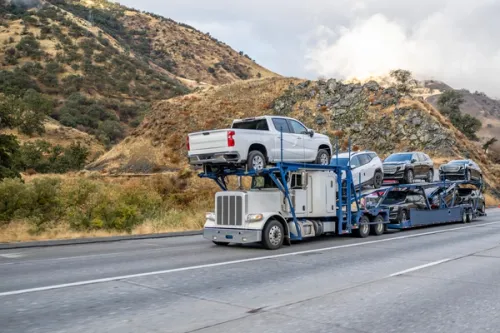
Car shipping insurance is coverage provided by an auto transport carrier to protect your vehicle from damage, theft, or loss while it's being loaded, transported, and unloaded. It's legally required for all interstate carriers in the US. Standard protection is built into your shipping quote at no extra cost, though limits and exclusions vary by carrier and transport type.
Every licensed carrier must hold two types of coverage. The first is automobile liability insurance, which covers damage or injury the carrier causes to third parties. The second is motor truck cargo insurance, which covers your vehicle during transit. Both are required by the FMCSA as a condition of operating legally.
Standard cargo limits are typically $100,000 for open car transport and $250,000 or more for enclosed car shipping. These limits are shared across all vehicles on the trailer, not per vehicle. For most everyday cars, that's fine. For high-value, classic, or exotic vehicles, it often isn't, and supplemental coverage is worth arranging before pickup.
Best practices at a glance:
- Take timestamped photos of every angle before and after transport
- Note any new damage on the Bill of Lading before signing at delivery
- For high-value or classic vehicles, ask about additional gap or assurance coverage
Ready to ship?
Your journey starts here:
What does car transport insurance cover?
Car transport insurance covers physical damage to your vehicle caused by carrier negligence, accidents, or shifting loads during loading, transit, and unloading. It also typically covers theft or vandalism while the vehicle is under the carrier's direct control. Coverage limits, exclusions, and deductibles vary by carrier, so it's worth checking the specifics before you ship.
What is covered:
- Transit damage: Collisions, accidents, and damage from improper loading or unloading.
- Theft or vandalism: Loss or damage while the vehicle is in the carrier's care.
- Weather and road debris (varies): Some policies cover standard road debris and weather events. Basic plans may exclude acts of nature.
What is not covered:
- Personal items: Belongings left inside the vehicle are excluded from cargo policies.
- Pre-existing damage: Scratches, dents, or mechanical issues present before pickup are not covered.
- Acts of God: Hail, floods, and hurricanes are frequently excluded from standard carrier policies unless you purchase supplemental coverage.
- Deductibles: Many carrier policies include a deductible of $500 or more. Minor damage below that threshold won't be paid out, and the cost falls to you.
High-value and classic vehicles
Standard cargo policies aren't built for high-value vehicles. Open transport limits typically max out around $100,000, spread across all vehicles on the same trailer. For a classic car, exotic, or luxury vehicle, that falls well short.
For these vehicles, enclosed transport is the better choice. You should also confirm the carrier holds higher limits, usually between $250,000 and $1,000,000 or more. Specialized increased-value insurance for transit is available. It's worth arranging before your shipment is booked. Ask WeShipCars about supplemental coverage options if your vehicle falls into this category.
Do you need insurance to ship a car?
You don't need to purchase a separate car shipping insurance policy for a standard vehicle. The carrier's insurance covers your vehicle during transport, and that coverage is already factored into the price you're quoted. There's no separate insurance line item for a typical shipment.
Most open transport carriers hold between $100,000 and $250,000 in cargo coverage per vehicle. For the vast majority of cars, trucks, and SUVs, that's more than enough.
Shipping a high-value or classic vehicle?
Standard open transport policies max out at around $100,000, shared across all the vehicles on the trailer. For a classic car, collector vehicle, or anything with a market value above that, it's not enough. Not even close.
If your vehicle falls into this category, the first thing to do is ask the carrier directly what their coverage ceiling is. Don't assume. Check.
For high-value vehicles, enclosed transport is the right choice. Enclosed carriers routinely hold limits of $250,000 and upwards. Specialist operators can carry $1,000,000 or more. That's the range you need to be in for a collector car or exotic.
You can also ask about increased value insurance for transit. It's a separate layer of cover on top of the carrier's standard policy. It brings the total protection in line with the vehicle's actual market value. WeShipCars can help you arrange this before your shipment is confirmed.
Don't leave it until pickup day. If your vehicle is worth serious money, sort the cover first.
You're also not legally required to maintain your own personal auto insurance policy while the vehicle is in transit. However, some comprehensive auto policies do extend partial coverage during commercial transport, usually as secondary coverage behind the carrier's policy. Check with your insurer to find out whether yours does.
What are the auto transport insurance requirements?
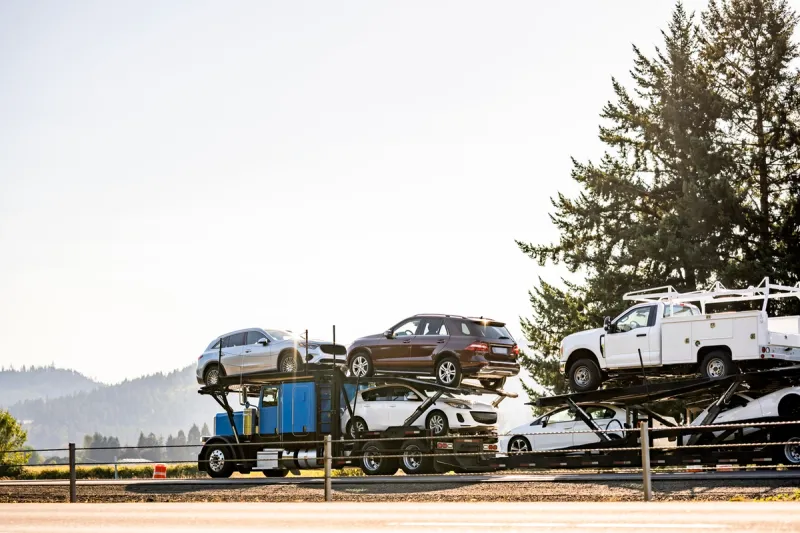
Federal law requires all interstate auto transport carriers to hold two types of active vehicle transport insurance: automobile liability insurance and motor truck cargo insurance. These are mandatory conditions of FMCSA operating authority. Without both, a carrier cannot legally operate. Brokers like WeShipCars are also required to hold a surety bond.
Federal regulations set the requirement to hold coverage. They don't set specific cargo limits. That varies by carrier. Some hold $100,000; others carry $250,000 or more. Enclosed carriers, who typically handle higher-value vehicles, tend to hold higher limits as standard.
Before pickup, you're entitled to request the carrier's Certificate of Insurance (COI). It's a one-page summary from the carrier's insurer. It doesn't contain the full policy, but it tells you what you need to know. Here's what to check:
- Named insured. The carrier's legal business name should match the carrier assigned to your shipment. If it doesn't, ask why before you proceed.
- Coverage types. Both commercial automobile liability and motor truck cargo insurance should appear. If cargo insurance is missing, your vehicle isn't covered for transit damage.
- Coverage limits. Check that the cargo limit meets or exceeds your vehicle's current market value.
- Policy dates. The policy must be active on your pickup date and throughout transit. An expiry date before delivery is a serious problem.
- The insurer's name. It should be a real, verifiable company. You can check through the FMCSA's online database or the National Association of Insurance Commissioners website.
- The deductible. It's not always on the COI, so ask. A $1,000 deductible means small claims may not be paid out at all.
- Exclusions noted. Check the remarks section. Weather-related exclusions are common on open transport policies. Factor any exclusions into your decision about transport type and whether you need supplemental cover.
At WeShipCars, we verify carrier insurance before every shipment and share this information as standard.

Does car insurance cover transportation?
The key difference is that your personal policy, if it applies at all, works as secondary coverage. The carrier's cargo insurance is primary. Your own insurer would typically only become involved if the carrier's coverage were insufficient to cover the full loss.
Before shipping, you should speak with your insurance provider to understand what your policy does and doesn't cover.
How much does auto transport insurance cost?
Here's the good news. For most shipments, the insurance is already included. It's built into the quote. You won't see it as a separate charge.
So when does it cost more?
If your car is worth more than the carrier's standard coverage limit, you'll want to look at extra protection on top. That can run anywhere from $50 upwards, depending on the vehicle and what cover you need.
The other scenario is enclosed transport. It costs more than open. Prices vary, but you're generally paying somewhere between 40 and 60 percent extra. Some of that covers the handling. Some of it reflects the higher insurance limits that come with it.
For the average car or truck, there's nothing extra to pay. If you're moving something valuable or irreplaceable, though, it's worth a quick conversation with WeShipCars before you confirm your booking.
How does coverage differ between open and enclosed transport?
Both open and enclosed transport include carrier insurance. The limits and the level of physical protection are very different. Open transport cargo policies typically carry limits of $100,000, shared across all vehicles on the trailer. Enclosed carriers routinely hold $250,000 or more, and specialist operators often carry up to $1,000,000.
Open transport is the standard option for most vehicles. Cars travel on open trailers, alongside others, exposed to weather and the road. For most everyday vehicles, the coverage limits are more than adequate.
Enclosed transport puts your vehicle in a closed trailer. It's shielded from weather, debris, and other elements. The higher insurance limits are part of it. But the reduced physical exposure during transit is just as important, and it doesn't show up on any policy document.
If your vehicle's value approaches or exceeds $100,000, enclosed transport with verified higher limits is the right call. Not just a premium option worth considering.
Auto transport insurance tips: What should you do before and after shipping?
Good documentation is the difference between a successful claim and an unsuccessful one. Most disputes come down to what was recorded at pickup and delivery, not what actually happened in transit. A few simple steps at the right moments protect you properly.
Before pickup:
- Walk the entire vehicle. Note any existing scratches, dents, or chips on the Bill of Lading before you hand over the keys
- Take photos from all angles. Timestamped images from your phone work well. Get close-ups of any existing marks
- Remove all personal belongings. Cargo insurance covers the vehicle, not what's inside it
- Ask for the carrier's Certificate of Insurance. Check that the cargo limit suits your vehicle's value
- If you're shipping a high-value vehicle, contact WeShipCars about supplemental coverage before pickup day
At delivery:
- Inspect the vehicle before you sign anything. Do it in good light if you can
- If delivery happens after dark, note it on the Bill of Lading. Document anything you find as soon as you can see the car properly
- If you spot new damage, note it specifically on the Bill of Lading before signing. Take photos immediately. Contact WeShipCars straight away.
- Don't sign the final Bill of Lading confirming good condition if the vehicle isn't in good condition.
How to select the right transport insurance coverage?
For most shipments, the carrier's standard coverage is sufficient, and no further action is needed. To decide whether that applies to your situation, ask yourself three questions.
What is the current market value of the vehicle? If it's comfortably within the carrier's coverage limit, the standard policy has you covered. If it's close to or above that limit, ask about supplemental coverage or choose an enclosed carrier with higher built-in limits.
Is this a vehicle that would be difficult or expensive to replace? Classic cars, rare models, and vehicles with sentimental value are often worth insuring beyond the minimum, even if the market value technically falls within the standard limit.
Does your personal auto insurance extend to transit situations? If it does, you may already have a secondary layer of protection in place without needing to arrange anything additional.
What to do if your vehicle is damaged during shipping?
First, you should document any damage that you find. Include this on the Bill of Lading at delivery, and take plenty of photos. If the condition you have received your vehicle in does not match the paperwork, do not sign it.
If you don’t already have the carrier’s COI, you’ll need to request it. Include your own photos that you’ve taken at pickup and delivery, then submit the claim with as much supporting documentation as you can. If you have any original purchase records, repair estimates, or current appraisals, this is especially useful for high-value vehicles.
WeShipCars supports customers through the claims process and can help connect you with the carrier's insurance provider if needed.
Ready to ship?
Your journey starts here:
Frequently Asked Questions about car shipping insurance
What is the purpose of transportation insurance?
Transportation insurance exists to protect your vehicle against physical damage or loss while it's in a carrier's care. It ensures that if something goes wrong during loading, transit, or unloading, there's financial recourse available without the cost landing on you.
What insurance options are available during transport?
The primary options are the carrier's standard cargo and liability coverage (included in your quote), supplemental gap coverage for high-value vehicles (available at additional cost), and your own personal auto insurance (which may extend secondary coverage depending on your policy). Enclosed transport also provides higher built-in coverage limits as part of the service.
What is transportation expense in auto insurance?
This is a different category from transport coverage. Transportation expense, sometimes called rental reimbursement, is a feature of some personal auto policies that covers the cost of a rental car or alternative transport if your own vehicle is out of action due to a covered loss. It is not related to car shipping insurance.
What insurance do I need for transporting cars?
For a standard vehicle on a domestic shipment, you don't need to arrange any additional insurance. The carrier's liability and cargo coverage handles it. If your vehicle's value exceeds the carrier's standard coverage limit, supplemental coverage is worth considering. Your personal insurer can also confirm whether your existing policy provides any additional protection during transit.

Rob Webb is a native English-speaking copywriter with four years of professional writing experience across technology and lifestyle content, including auto transport, vehicle storage, and household relocation coverage for Yahoo! Local. Rob writes clear, well-researched content that helps readers make confident decisions about complicated logistics.
Rob Webb is a native English-speaking copywriter with four years of professional writing experience across technology and lifestyle content, including auto transport, vehicle storage, and household relocation coverage for Yahoo! Local. Rob writes clear, well-researched content that helps readers make confident decisions about complicated logistics.
Ready to roll?
Your journey starts here.
What is car shipping insurance